
Plants
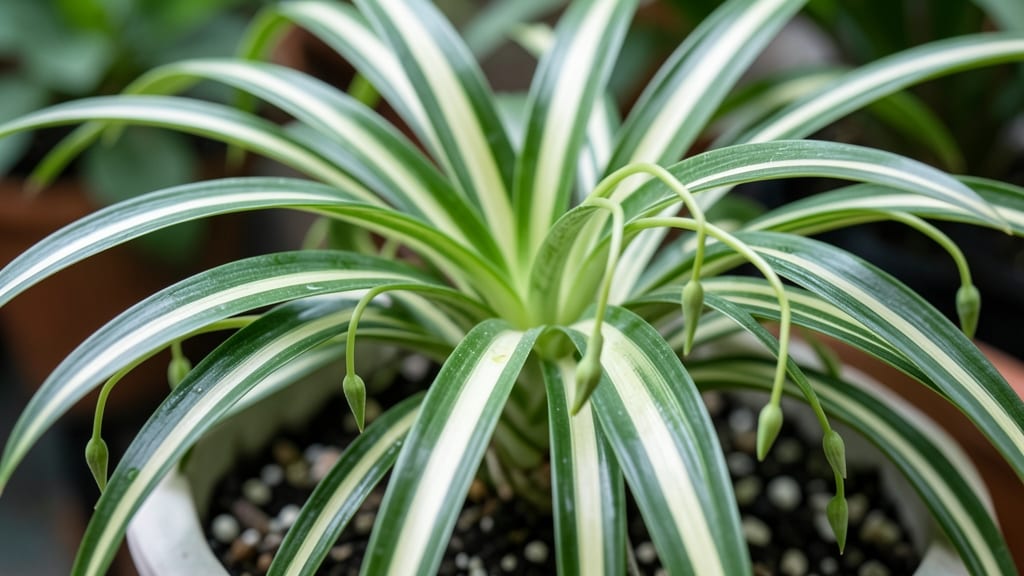
If your Spider Plant 🕷️ looks like it’s fighting for its life, you might be getting how much light does a spider plant require all wrong. The truth is, these hardy plants are far more forgiving than most people realize—but only if you know their sweet spot for light exposure.
Too little light, and your plant stretches out like it’s reaching for salvation. Too much direct sun, and those pretty leaves start turning crispy at the edges.
The key lies in finding that perfect balance of bright, indirect sunlight—something most homes can easily provide with just a few smart adjustments.
I’ve helped countless beginners revive their Spider Plants by tweaking just one thing: their light setup. Whether you’re dealing with a dim corner office or a sun-drenched living room, I’ll show you exactly how to spot the signs of poor lighting and fix them—without needing a botanist’s degree.
Let’s cut through the guesswork and get your plant thriving in no time, so you can enjoy those lush, arching leaves year-round.

Ideal light requirements for spider plants: balancing brightness and indirect sun
Spider plants (Chlorophytum comosum) are one of the most forgiving houseplants, but they still need the right amount of light to stay healthy. Unlike sun-loving plants, spider plants prefer bright indirect light, which mimics their natural under-canopy habitat.
Too little light causes leggy growth, while too much direct sun can scorch their leaves. Finding that sweet spot is key to keeping your plant lush and vibrant.
Most homes provide three light zones for spider plants: low light, medium light, and bright indirect light. The ideal spot is near an east or west-facing window, where morning or afternoon sun gently filters through.
If your home only has north-facing windows, don’t worry—spider plants can adapt to low-light conditions, though their growth may slow down.
Here’s how to visualize the perfect setup: Imagine placing your spider plant 2-3 feet away from a window. This distance ensures it gets plenty of natural light without the harsh rays of direct sunlight.
If you notice brown tips or crispy edges, it’s likely getting too much direct sun. Conversely, if the leaves turn dull green or stretch excessively, it needs more light.
| Light Condition | Description | Ideal Placement |
|---|---|---|
| Low Light | Dull, slow growth; leaves stretch toward light | North-facing windows or 5+ feet from bright windows |
| Medium Light | Healthy green leaves; steady growth | East/west windows or 2-3 feet from south windows with sheer curtains |
| Bright Indirect Light | Vibrant variegation; rapid growth of spiderettes | 2-3 feet from east/west windows or filtered south light |
| Direct Sunlight | Brown patches; crispy leaf edges | Avoid south-facing windows without curtains |
If you’re unsure about your home’s lighting, try this simple test: Hold your hand near the window where you plan to place the plant. If you can comfortably read a book with natural light but without squinting, it’s likely the perfect spot.
Spider plants thrive in 4-6 hours of indirect light per day, so even a bright bathroom or kitchen can work if it gets morning or late afternoon sun.
Variegated spider plants, like the popular 'Variegatum' variety, need slightly more light to maintain their striking stripes. Without enough brightness, the white or yellow patterns may fade to solid green. Rotate your plant quarter-turns every 2 weeks to ensure even light exposure and prevent lopsided growth.
This small habit keeps your spider plant balanced and encourages those iconic spiderettes (baby plants) to grow.
For offices or rooms without natural light, consider a grow light with a cool white spectrum. Place it 6-12 inches above the plant and use it for 12-14 hours daily.
LED grow lights are energy-efficient and won’t overheat your plant. Just avoid placing them too close—3 inches or less can cause leaf burn.
One common misconception is that spider plants can survive in any light condition. While they’re resilient, neglecting their light needs leads to weak, unhealthy plants.
Pay attention to the color and texture of the leaves: healthy spider plants have bright green, arching leaves with occasional baby spiderettes dangling from the ends. If you see yellowing or brown tips, adjust the light or watering routine immediately.
Pro tip: Use a sheer curtain on south-facing windows to diffuse harsh sunlight. This creates the perfect bright indirect light environment. If your plant starts looking leggy or sparse, it’s begging for more light.
Move it closer to the window or supplement with a grow light until you see new, compact growth.
Remember, spider plants are adaptable, but they’re not invincible. The key is to observe and adjust. Start with medium light, monitor your plant’s response, and tweak as needed. With the right lighting, your spider plant will reward you with lush foliage and endless spiderettes to share with friends.
How to adjust light conditions for different spider plant growth stages
Spider plants are famously adaptable, but their light needs shift as they grow and change seasons. Young plants need gentler light, while mature ones can handle slightly brighter conditions. Understanding these stages helps you adjust placement without stressing your plant.
Start with low to medium indirect light for new spiderettes or recently propagated plants. Place them near a north-facing window or 3-4 feet from an east/west window. This prevents shock from sudden brightness, which can scorch tender new growth.
As your spider plant matures—typically after 6-12 months—gradually increase its exposure to bright indirect light. Move it closer to the window (2-3 feet away) or rotate the pot every few weeks for even growth. This mimics natural light shifts and encourages fuller foliage.
🌱 Growth Stage
- 🌱 New Propagation: Low indirect light (north window or 4+ feet from east/west)
- 🌿 Established Plant: Medium indirect light (2-3 feet from east/west window)
- 🪴 Mature Plant: Bright indirect light (1-2 feet from window or under grow lights)
💡 Seasonal Adjustments
- ☀️ Summer: Move to shadier spots (e.g., sheer curtain) to avoid leaf burn
- ❄️ Winter: Supplement with grow lights (6-8 hours/day) if natural light drops
- 🌧️ Overcast Days: Rotate pot quarter-turn weekly to prevent lopsided growth
Seasonal changes demand extra attention. In summer months, when sunlight intensifies, shield your spider plant from harsh afternoon rays by placing it behind a sheer curtain or moving it 1-2 feet farther from the window. This prevents brown leaf tips or sunburned patches.
Winter brings shorter daylight hours, so supplement with a 10-12 watt LED grow light placed 6-12 inches above the plant for 6-8 hours daily. Position it to mimic natural light angles—tilt it slightly to avoid stretching. This keeps your spider plant healthy during dormancy.
Rotate your spider plant every 2-4 weeks to ensure even light exposure. Uneven lighting causes lopsided growth, where leaves stretch toward the light source. A simple quarter-turn keeps foliage balanced and encourages bushier growth patterns.
For offices or rooms with consistently low light, choose variegated spider plants like 'Variegatum'—they tolerate dimmer conditions better than solid-green varieties. Pair with a south-facing window or fluorescent grow lights for best results.