
Plants
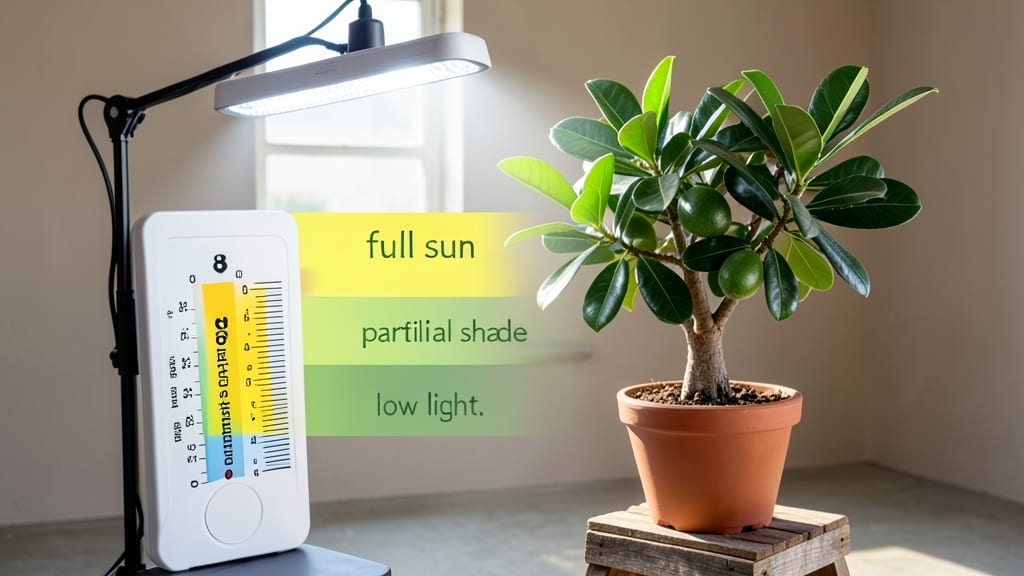
If your 🥑 avocado plant is struggling to thrive, the answer might be simpler than you think—how much light does an avocado plant need could be the game-changer between a lush, leafy tree and a sad, wilted one.
These tropical beauties crave sunlight, but too much or too little can spell disaster for their growth.
Outdoors, avocado plants bask in 6+ hours of direct sunlight daily, mimicking their natural habitat in warm climates. Indoors, though, things get trickier—most homes lack the intense brightness these plants crave, leading to weak stems and sparse leaves.
The key? Finding that sweet spot between enough light to fuel growth and avoiding the burn that comes with overexposure.
I’ll break down exactly how to meet your avocado’s lighting needs, whether you’re dealing with a sun-drenched patio or a dim corner of your living room. You’ll learn how to spot signs of light stress, adjust your plant’s environment, and even use grow lights to keep it happy year-round.
Let’s turn your avocado plant from a struggling underdog into a thriving superstar—starting with the right amount of light. Ready to unlock its full potential?

Optimal sunlight requirements for avocado plants: indoor vs outdoor lighting
Avocado plants (Persea americana) are sun-worshippers by nature, craving bright, direct light to thrive. Outdoors, they demand 6+ hours of full sun daily, while indoors, they’ll stretch and weaken without equivalent artificial lighting.
The key is replicating their natural tropical habitat—where they’d grow under canopy gaps in dense forests.
In outdoor climates like USDA Zones 9-11, avocados bask in unfiltered sunlight all day. But in cooler zones (6-8), they need afternoon shade to prevent leaf scorch. Young plants are especially sensitive—too much direct sun can cause brown leaf tips or crispy edges.
Indoors, south-facing windows provide the best natural light, but even there, your plant may need supplemental grow lights during winter’s short days. Without enough light, avocados develop long, leggy stems and small, pale leaves—a classic sign of light deprivation.
| Condition | Outdoor Requirements | Indoor Requirements |
|---|---|---|
| Sunlight Type | Full sun (direct rays) | Bright indirect + grow lights |
| Daily Hours Needed | 6+ hours (8+ ideal) | 12+ hours (with grow lights) |
| Best Window Placement | South or west exposure | South-facing, 3+ feet from window |
| Growth Stage Needs | Seedlings: 4-6 hrs; Mature: 8+ hrs | Seedlings: 10-12 hrs light; Mature: 14+ hrs |
| Seasonal Adjustments | Afternoon shade in summer | Grow lights for winter months |
For seedlings, start with 4-6 hours of morning sun to harden them off gradually. Mature plants can handle full sun all day, but in hot climates, provide dappled shade between 12-3 PM to prevent leaf burn.
I’ve seen avocado leaves turn yellow and crispy within days when exposed to intense afternoon sun without acclimation.
Indoors, LED grow lights placed 6-12 inches above the plant mimic full-spectrum sunlight. Aim for 12-14 hours of light daily, especially in winter when natural light drops below 8 hours. Rotate your plant quarter-turns weekly to prevent one-sided growth—a common issue with indoor avocados.
In temperate climates, outdoor avocados need microclimate protection. Plant near south-facing walls or under lightweight shade cloth (30-50% shade) during peak summer. I’ve successfully grown avocados in Zone 8 by using container growing and moving pots indoors before first frost.
Pro tip: Use a light meter (or your phone’s lux app) to measure 10,000+ lux for optimal growth. Most homes only get 5,000-10,000 lux near windows—hence the need for grow lights. My avocado’s growth rate tripled after adding a 15W LED grow bulb during winter months.
Remember, light quality matters more than quantity for avocados. They prefer cool white or full-spectrum LEDs over warm tones. Avoid incandescent bulbs, which emit too much heat and can damage leaves. Always place lights 12+ inches away to prevent leaf scorch.
🌱 For tropical avocados, humidity levels above 50% complement light requirements. Pair your lighting solution with a pebble tray or humidifier to create the ideal microclimate—just like their native rainforest home.
Optimal sunlight requirements for avocado plants: indoor vs outdoor lighting
Avocado plants are sun worshippers, but they need the right balance—too little light and they’ll stretch weakly toward the window, while too much can scorch their delicate leaves.
As someone who’s nursed multiple avocado plants from seeds, I’ve learned that 6 to 8 hours of direct sunlight is the sweet spot for outdoor plants, while indoor plants need bright, indirect light for at least 6 hours daily.
The key is mimicking their natural tropical habitat without letting them fry.
Outdoor avocado plants thrive in full sun exposure, especially in warm climates like USDA zones 9-11. If you’re in cooler zones (like 6a-8b), opt for a south-facing location to maximize sunlight during winter months.
Young plants can start with 4-6 hours of sun, but gradually increase exposure to avoid shock. Mature trees, however, crave unfiltered sunlight to produce fruit—think of them as the sunbathers of the plant world.
Indoors, the challenge shifts to replicating natural light. A south-facing window is your best bet, but east or west windows work too—just rotate the plant weekly for even growth. Avoid north-facing windows, as they offer low light intensity, which leads to leggy, weak stems.
If your home lacks natural light, grow lights become a game-changer, especially in winter when daylight dwindles.
| Condition | Outdoor Avocado Plants | Indoor Avocado Plants |
|---|---|---|
| Sunlight Needs | 6–8 hours direct sun | 6+ hours bright indirect light |
| Best Location | South-facing, full sun | South/east/west window |
| Growth Stage Adjustments | Gradually increase sun for seedlings | Use grow lights in winter |
| Seasonal Tip | Provide partial shade in extreme heat | Rotate plant weekly for even growth |
For outdoor plants, partial shade during peak afternoon sun (12 PM–3 PM) can prevent leaf burn, especially in hot climates. I’ve seen avocado leaves develop brown, crispy edges when exposed to intense midday sun—a clear sign of sunburn.
To fix this, move potted plants to a slightly shadier spot or use a light shade cloth (30-50% coverage) during the hottest hours. Mulching around the base also helps regulate soil temperature.
Indoor growers often struggle with stunted growth because windows just don’t cut it.
If your avocado plant starts leaning toward the light, it’s begging for more. LED grow lights (like the Full Spectrum 10000K) are my top recommendation—they mimic sunlight and can be placed 6–12 inches above the plant for 12–14 hours daily.
Fluorescent lights work too, but they’re less efficient for taller plants. Pro tip: Adjust the light height as your plant grows to avoid light burn on new leaves.
Regional adjustments are crucial—avocado plants in temperate zones (like California or Florida) can handle year-round outdoor living, while those in cooler climates (zones 6a-8b) must be brought indoors before the first frost.
If you’re in a four-season area, start acclimating your plant to indoor light 2–3 weeks before the cold snap. This gradual transition prevents shock, which can lead to leaf drop or pests like spider mites.
Remember, avocado plants are light-hungry but not heat-hungry—they’ll tolerate lower temperatures if the light is right. The goal is to keep them happy, healthy, and reaching for the sky, not wilting in the shade or crisping under the sun.
With the right light setup, your avocado could thrive for decades—and maybe even produce fruit! 🌱🌞