
How To
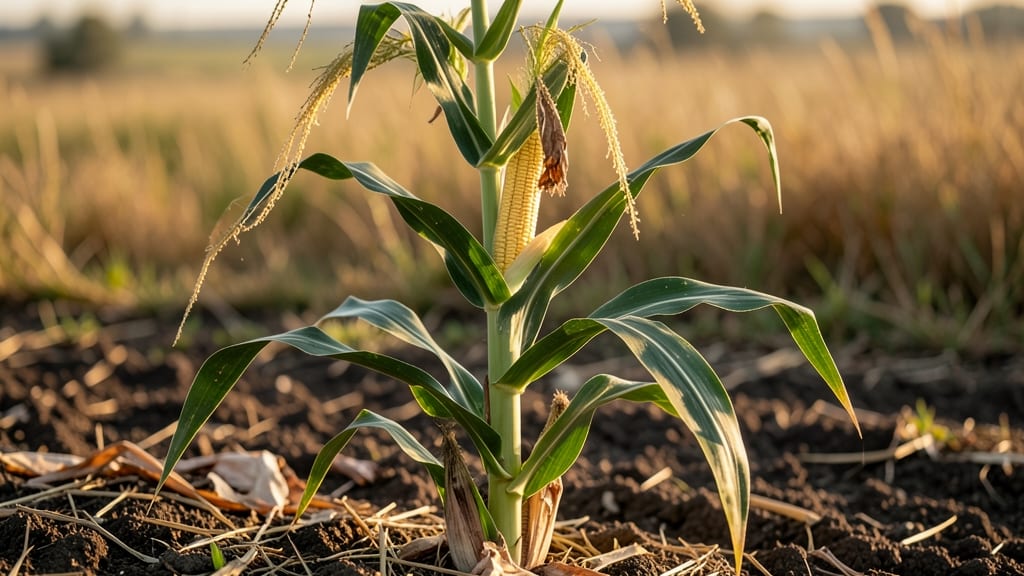
If you're wondering how much light does a corn plant need to reach its towering, golden potential, the answer might surprise you—it’s not just about sunlight, but the right kind of sunlight.
Your 🌽 plants crave full sun exposure, but too much heat without proper care can turn those lush leaves into crispy edges. Whether you're planting in your backyard or a container on a balcony, understanding light requirements is the key to avoiding stunted growth or wasted effort.
Corn thrives best in 6-8 hours of direct sunlight daily, making it a perfect candidate for sunny garden beds or south-facing windows. But here’s the catch: shade tolerance is minimal, and even partial shade can lead to leggy, weak stalks that struggle to support those coveted ears.
If your garden gets less sunlight than ideal, don’t panic—we’ll show you how to supplement light naturally or with grow lights to keep your corn happy and productive.
Seasonal changes can throw off even the most experienced gardeners. Early spring seedlings might need a little protection from harsh afternoon sun, while summer’s intense rays could scorch tender leaves if plants aren’t properly spaced.
The good news? With the right adjustments—like mulching, strategic spacing, or even reflective surfaces—you can create the perfect light environment for your corn to flourish from planting in April-May right through harvest in July-September.
Ready to transform your corn from struggling to stunning? Let’s dive into the specifics of light needs, troubleshooting common issues, and pro tips to ensure your 🌽 plants get the brightness they deserve—without the guesswork. Your future bushels of sweet corn are waiting!

Optimal light requirements for corn plants: direct sun vs. indirect light
Corn plants are sun worshippers—they crave full sun to grow tall, sturdy, and productive. Without enough light, your corn will struggle to develop strong stalks, vibrant leaves, and plump ears.
Let’s break down exactly how much sunlight your corn needs at each growth stage and how to spot signs of light problems.
For seedlings and young plants, aim for 4-6 hours of direct sunlight daily. Once they reach 12 inches tall, they’ll need 6-8 hours of full sun to thrive.
Mature corn plants can handle up to 10 hours of sunlight, especially in hot climates, but 6-8 hours is the sweet spot for most gardeners.
Corn plants are not shade-tolerant—even partial shade can lead to weak stems, poor ear development, and lower yields. If you’re growing corn in containers or indoors, you’ll need to supplement natural light with grow lights to mimic full sun conditions.
Here’s a quick breakdown of what happens when light needs aren’t met:
- Too little light: Leggy, weak stalks; pale, sparse leaves; poor ear formation.
- Too much light: Leaf burn, especially in extreme heat; accelerated water loss.
If your corn is growing in partial shade, such as under tall trees or near buildings, it may still produce ears, but they’ll be smaller and less flavorful.
For the best results, plant corn in the sunniest spot in your garden, especially if you’re growing varieties like sweet corn or popcorn, which need maximum light for optimal development.
In hot climates, afternoon shade can actually help prevent leaf burn, but ensure the plants still get at least 6 hours of morning sun. If you’re growing corn in containers or raised beds, rotate the pots every few days to ensure even light exposure on all sides.
Pro tip: Monitor your corn’s leaves for color changes. Healthy corn leaves are deep green and upright. If they turn yellow or brown, it’s a sign of light stress—either too little or too much. Adjust accordingly to keep your plants thriving.
For year-round growing, such as in greenhouses or indoor setups, use a combination of natural light and full-spectrum LED grow lights. Place lights 6-12 inches above the plants and provide 14-16 hours of light per day to mimic long summer days.
Remember, corn plants are heavy feeders, and their light needs are directly tied to their growth rate. When they get the right amount of sunlight, you’ll see taller stalks, lush foliage, and ears bursting with flavor—worth every extra hour of sun!
How to adjust light conditions for corn plants in different environments
Growing corn in less-than-ideal sunlight doesn’t mean giving up on those golden ears—it just means getting creative! If your garden only gets 4-6 hours of sun daily, you’ll need to supplement with strategies like reflective surfaces or grow lights.
For example, placing a white sheet or mirror behind your corn plants can bounce extra light onto their leaves, effectively increasing sunlight exposure by up to 30%. This trick works especially well for urban growers or those with shaded patios.
For indoor corn cultivation, a south-facing window is your best bet, but even then, natural light may fall short during winter months. Here, LED grow lights become your secret weapon.
Opt for full-spectrum LEDs that mimic sunlight’s 400-700nm wavelength range, and position them 6-12 inches above the plants for 12-14 hours daily. Fluorescent lights are cheaper but less efficient—expect 20% lower yields compared to LEDs.
🚨
While corn loves sunlight, afternoon sun in summer (1 PM - 5 PM) can scorch tender leaves. Use light shade cloth (30-50%) during peak hours to protect seedlings and young plants. Remove it once stalks reach 12 inches tall to avoid stunting growth.
Seasonal adjustments are key—spring and fall offer milder light conditions, while summer demands extra care. If you’re growing corn in USDA Zone 6a or cooler, extend the season with a cold frame or row covers to trap warmth and light.
In contrast, container-grown corn needs daily rotation to ensure even light exposure, as pots can create shadows on one side.
For balcony or rooftop gardens, prioritize south-facing spaces and use reflective mulch (like white gravel) to maximize light penetration. If your setup gets less than 4 hours of sun, consider dwarf varieties like ‘Bodacious’ or ‘Golden Bantam’, which tolerate lower light better than standard types.
Just remember: even these varieties won’t produce ears without at least 5 hours of direct light daily.
Pro tip: Monitor your corn’s light needs by checking leaf color. Dark green leaves with a slight blue tint mean it’s happy; pale or yellowing leaves signal insufficient light. Pair this with regular watering (1-2 inches per week) and balanced fertilizer (10-10-10) to compensate for lower light conditions.
Your corn will thank you with taller stalks and heavier ears—even in less-than-perfect light!
Don’t let limited sunlight stop you—with these adjustments, you can grow corn almost anywhere, from city balconies to rural gardens. The key is consistency and creativity in managing light, whether through natural tricks or grow lights. Happy growing! 🌽