
Plants
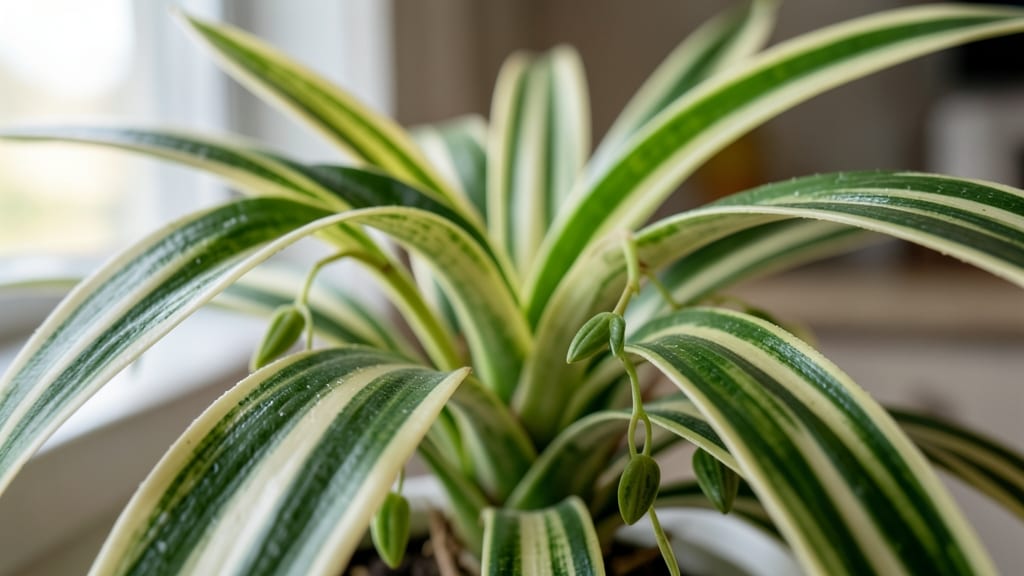
If your Spider Plant 🌿 is struggling with brown tips or leggy growth, the answer might be simpler than you think—how much light should a Spider Plant get is the key to keeping those iconic striped leaves thriving.
Most people assume Spider Plants are low-maintenance, but getting the light balance right makes all the difference. Too little light, and your plant stretches out; too much, and those beautiful leaves burn. The secret? 4-6 hours of bright, indirect sunlight is all your Spider Plant needs to stay happy.
Whether you're growing yours indoors by a window or outdoors in USDA Zone 6a, I’ll show you how to spot the signs of over- or under-lighting and adjust your plant’s environment for maximum growth.
Ready to transform your Spider Plant from struggling to stunning? Let’s dive into the ideal light conditions and practical tips to keep your 🌿 flourishing year-round.

Ideal light requirements for spider plants: the 4-6 hour rule explained
Your spider plant thrives on bright indirect light, but getting the balance right can feel like guessing. Too little light leads to leggy growth, while too much causes brown tips and crispy edges.
The sweet spot? 4-6 hours of filtered sunlight daily, whether from a window or artificial grow lights.
Think of east-facing windows as the perfect spot—gentle morning sun without harsh afternoon rays. North-facing windows also work well, though you may need to supplement with artificial lighting in winter months when natural light fades. South or west windows? Use sheer curtains to diffuse the intensity.
Here’s how to measure light exposure like a pro: Place your spider plant 2-3 feet from the window and observe its leaves. If they’re dark green and upright, you’ve nailed it. If they stretch toward the light or turn pale, it’s time to adjust.
| Light Condition | Leaf Color | Growth Habit | Action Needed |
|---|---|---|---|
| Bright Indirect (4-6 hrs) | Vibrant green with stripes | Compact, bushy | Perfect! Keep current setup. |
| Low Light (<4 hrs) | Pale green, losing stripes | Leggy, sparse | Move closer to light or add grow lights. |
| Direct Sun (>6 hrs) | Yellow/brown patches | Crispy, wilted edges | Move to indirect light ASAP; trim damaged leaves. |
Seasonal changes throw a wrench into your spider plant’s routine. In summer, when sunlight is intense, move your plant further from the window or use a light filter.
During winter, supplement with a 12-hour grow light (LED bulbs work great) to maintain those 4-6 hours of daily exposure.
Pro tip: Rotate your spider plant quarter-turn weekly to ensure even light exposure. This prevents one side from leaning toward the window, keeping those arching leaves symmetrical and healthy. Uneven growth is a dead giveaway your plant isn’t getting balanced light.
Artificial lighting is a game-changer for low-light spaces. A simple 10-15 watt LED grow bulb placed 6-12 inches above your plant mimics natural light perfectly. Just remember: 12 hours of light per day mimics a full day-night cycle, even in a dim office.
Watch for these red flags: Brown tips often signal overwatering or direct sunburn, while yellow leaves usually mean underwatering or too much light. Stripes fading? Your plant’s craving more bright indirect light. Adjust gradually—sudden changes shock even the hardiest spider plants.
Don’t let myths fool you: Spider plants aren’t low-light survivors. While they tolerate moderate light, they’ll never thrive without at least 4 hours of brightness daily. Think of them as the goldilocks of houseplants—not too hot, not too cold, but just right.
How to adjust your spider plant’s light environment for maximum growth
Adjusting your spider plant’s light exposure doesn’t have to be complicated—small tweaks can transform a struggling plant into a lush, thriving specimen. Start by rotating the pot every 2-3 weeks to ensure even light distribution.
This prevents leggy growth or uneven coloration, especially if your plant leans toward a single light source.
If your spider plant is near a window, use sheer curtains to diffuse harsh sunlight. South-facing windows can deliver too much direct light, causing brown tips or crispy edges. For extra protection, place the plant 3-4 feet away from the glass to filter the light naturally.
For low-light spaces like offices or north-facing rooms, supplement with a grow light. A simple LED grow bulb (6000K color temperature) placed 6-12 inches above the plant for 6-8 hours daily mimics natural light. Avoid fluorescent bulbs without a full-spectrum coating, as they can cause stunted growth over time.
Seasonal changes also demand adjustments. In summer months, when sunlight is intense, move your spider plant to a spot with filtered light, like behind a semi-sheer curtain. Conversely, in winter, when natural light dims, extend grow light exposure to 10-12 hours to prevent etoliation (weak, stretched growth).
If your plant shows signs of over-lighting (brown patches) or under-lighting (long, thin leaves), act fast. Trim damaged foliage with sterilized scissors and relocate the plant to a medium-light area (like a bathroom with indirect light). Spider plants are resilient—with the right light balance, they’ll bounce back in weeks.
Don’t underestimate the power of observation. Check your plant’s leaves daily for subtle clues: vibrant stripes mean ideal light, while dull or pale leaves signal a need for more brightness. With these adjustments, your spider plant will reward you with healthy offsets and lush growth year-round. 🌿