
Plants
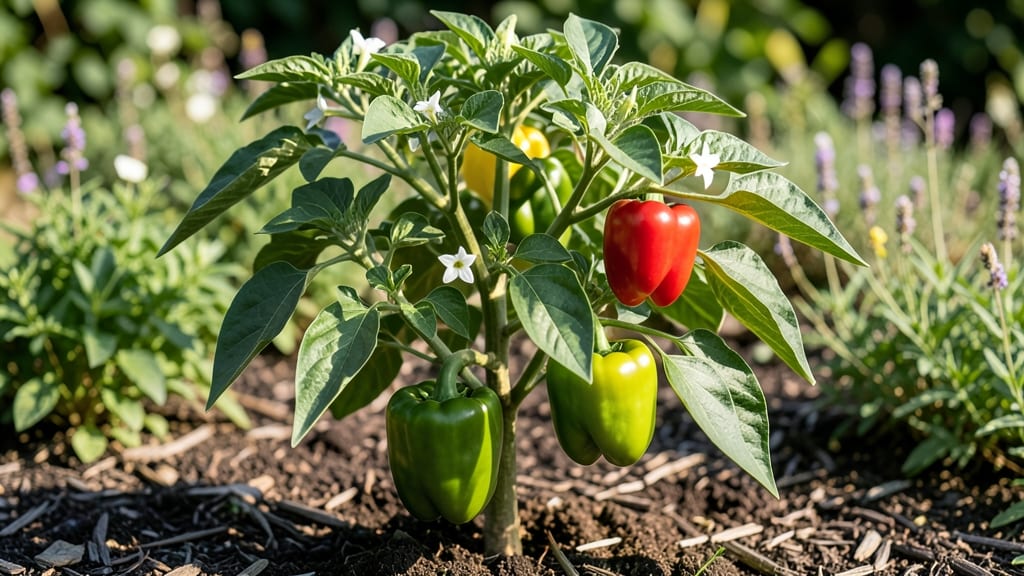
If you're dreaming of growing your own fresh peppers but wondering how tall does a pepper plant grow, the answer might surprise you—some varieties barely reach your waist while others stretch taller than a standard kitchen countertop!
🌶️ Whether you're working with space constraints or a sprawling garden, understanding pepper plant heights is key to planning your layout. Compact varieties like 'Snackable' bell peppers stay under 2 feet, while towering types like 'Cayenne' can climb to 4 feet or more.
The right spacing and support can mean the difference between a thriving harvest and a crowded mess.
In this guide, I'll break down the height ranges for popular pepper varieties and share practical tips for managing their growth.
You'll learn when to stake your plants, how to prune for better airflow, and why some peppers need more room than others—so you can set up your garden for success from day one.
From dwarf peppers perfect for containers to tall varieties that need trellises, we'll cover everything you need to know to give your plants the space they crave. Let's get growing!

Pepper plant height by variety: from dwarf to giant types
When planning your garden, knowing how tall pepper plants grow helps you choose the right varieties for your space. Some stay compact, while others reach towering heights—even indoors! The differences come down to genetics, care, and variety selection.
Let’s break down the height ranges for popular types so you can pick what fits your yard or containers.
Most pepper plants fall into three height categories: dwarf (1–2 ft), standard (2–3 ft), and giant (3–4 ft+). Dwarf varieties like 'Snack Mix' or 'Tiny Tim' are perfect for windowsills or small pots, while giants like 'Monarch' or 'Big Jim' need sturdy support and spacious beds.
Understanding these ranges ensures you allocate enough room for healthy growth and optimal yields.
Here’s a quick comparison of common pepper varieties and their mature heights. Use this as your guide to plan spacing, trellising, or container sizes:
| Variety | Type | Mature Height | Best For |
|---|---|---|---|
| Bell Pepper ('Sweet Banana') | Standard | 2–3 ft | Containers, raised beds |
| Jalapeño ('Early Jalapeño') | Standard | 2–3 ft | Small gardens, pots |
| Habanero ('Carolina Reaper') | Giant | 3–4 ft+ | Large beds, trellises |
| Dwarf Chili ('Apache') | Dwarf | 1–2 ft | Windowsills, small pots |
| Poblano ('Ancho') | Semi-Dwarf | 2–3 ft | Balconies, small gardens |
If you’re growing peppers in containers, opt for dwarf or semi-dwarf varieties like 'Tiny Tim' or 'Snack Mix.' These stay under 2 feet tall and thrive in 5-gallon pots with proper drainage.
For in-ground gardens, standard and giant varieties like 'Monarch' or 'Big Jim' need 18–24 inches of space between plants to prevent crowding and disease.
Taller pepper plants often produce more fruit but require sturdy support. Use cages, stakes, or trellises to keep them upright and prevent breakage from heavy pepper loads. Without support, giants like 'Carolina Reaper' can flop over, reducing airflow and increasing pest risks.
Always check seed packets for mature height estimates—this is your best guide for planning!
Height isn’t the only factor—growth habits matter too. Bushy varieties like bell peppers spread wider, while chili peppers grow taller and narrower. Match your variety to your space, and don’t forget to rotate containers or beds yearly to prevent soil depletion.
With the right choices, you’ll maximize your harvest without sacrificing plant health.
Pro tip: If you love spicy peppers but have limited space, try bush habaneros like 'Red Savina.' They stay compact but pack serious heat! For sweet peppers, 'Sweet Banana' is a crowd-pleaser that balances size and productivity. Experiment to find your perfect fit.
🌱
How to maximize space for tall pepper plants: pruning & support tips
If your pepper plants are reaching for the sky, you’re not alone—many varieties grow 3 to 4 feet tall, especially if left unchecked. But with the right techniques, you can control their height while boosting yield and preventing floppy stems.
Whether you’re growing in containers or garden beds, these strategies will help you make the most of your space without sacrificing productivity.
First, let’s address the biggest space-savers: pruning and support. Pruning encourages bushier growth and prevents leggy stems, while support systems like trellises or cages keep plants upright and organized.
The key is timing—prune at the right stage, and your peppers will reward you with more fruit and less chaos.
Step-by-Step Guide to Managing Tall Pepper Plants
- 🌱 Start with support: Install cages or trellises early (within 2-3 weeks of transplanting). Use 5-foot-tall cages for standard varieties or bamboo stakes for single-stemmed types like jalapeños.
- ✂️ Prune for bushiness: Pinch off the top set of leaves when the plant reaches 12-18 inches tall. This encourages side branches, which produce more peppers.
- 🪴 Train vines upward: Gently tie main stems to supports as they grow. Avoid tight ties—use soft cloth or Velcro strips to prevent stem damage.
- 💧 Water at the base: Keep soil consistently moist to prevent weak stems. Avoid overhead watering, which can cause fungal issues and weigh down branches.
- 🌿 Remove suckers: These are small shoots growing in the leaf axils. Keep only the topmost sucker to maintain a balanced shape and avoid overcrowding.
For container gardeners, choose deep pots (at least 12 inches) with good drainage to accommodate root growth. If your pepper plant outgrows its container, transplant it into a larger pot or prune aggressively to control height.
Just remember: prune in the morning to allow wounds to heal during the day.
One common mistake is over-pruning, which can stress the plant and reduce fruit production. Stick to removing only 10-20% of the foliage at a time. If your plant is already top-heavy, add extra support or harvest overripe peppers to lighten the load.
With these techniques, you’ll keep your pepper plants compact, productive, and space-efficient. Whether you’re growing bell peppers in a balcony planter or jalapeños in a raised bed, proper pruning and support make all the difference. Happy gardening!