
How To
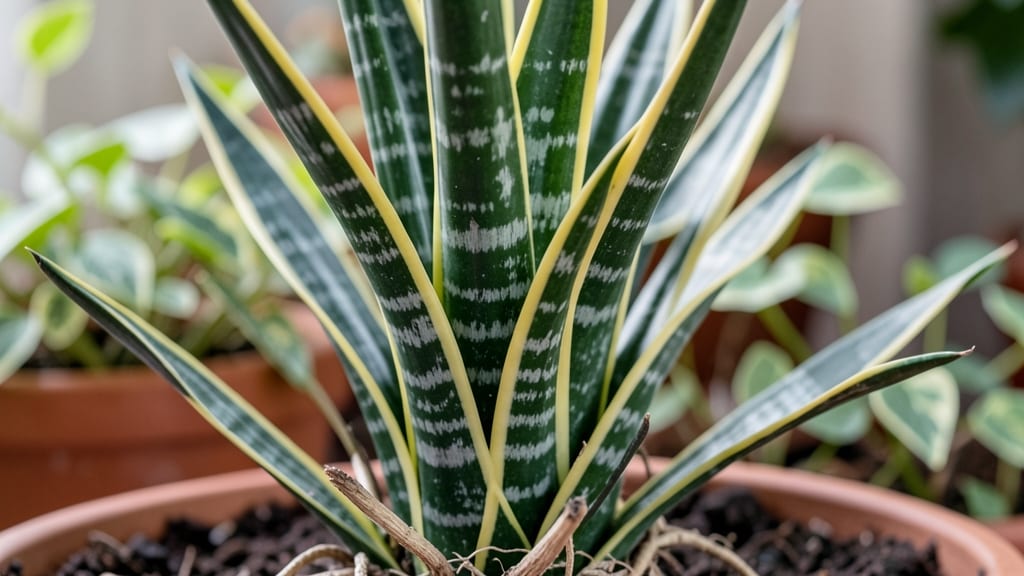
If you’ve ever wondered how tall a snake plant can grow 🌱, you’re not alone. These hardy plants can reach surprisingly impressive heights—some even hitting 4 feet—but their growth depends on more than just luck.
The right variety, care routine, and a few pro tips can turn your leafy friend into a stunning vertical statement piece.
Most gardeners assume snake plants grow at their own pace, but the truth is, their height is heavily influenced by factors like lighting, soil, and even the pot you choose.
Whether you’re dealing with a compact ‘Hahnii’ or a bold ‘Futura Superba’, understanding these variables is the key to unlocking their full potential. Let’s break down exactly what determines how tall your snake plant will grow—and how to give it the best shot at reaching those impressive heights.
You might be surprised to learn that overwatering or cramped roots can stunt growth, while bright indirect light and the right soil mix can encourage rapid, healthy expansion. Even pruning plays a role in shaping your plant’s stature.
By the end of this guide, you’ll know exactly how to create the perfect conditions for your snake plant to thrive—and whether it’s destined to be a petite tabletop plant or a room-filling giant.
Ready to transform your snake plant from a modest corner decoration into a showstopper? Let’s dive into the science and care secrets that will have your plant reaching new heights—literally.
Whether you’re a beginner or a seasoned plant parent, these insights will help you nurture a snake plant that’s as impressive as it is easy to care for.

Snake plant height by variety: what to expect from each type
Snake plants (Sansevieria trifasciata) are famous for their slow, steady growth and striking vertical presence. But did you know some varieties can reach nearly 4 feet tall, while others stay compact at just 1 foot?
The difference comes down to the specific variety and its natural growth habits. Let’s break down what to expect from the most popular types in your collection.
First, the standard snake plant (*Sansevieria trifasciata 'Laurentii') is the tallest common variety, often growing 3 to 4 feet tall in ideal conditions. Its iconic yellow-edged leaves make it a showstopper, especially in sunlit corners.
If you’re aiming for a dramatic focal point, this variety delivers—just be prepared for its slow but steady climb over years.
The Futura Superba variety is another tall performer, frequently surpassing 3 feet with its thick, sword-like leaves. What sets it apart is its dark green color with subtle yellow stripes, giving it a sleek, modern look.
This variety thrives in bright, indirect light and rewards patience with its impressive height.
On the opposite end of the spectrum, the Hahnii (Bird’s Nest Snake Plant) stays short and bushy, typically reaching only 1 to 2 feet tall. Its rosette shape and smaller leaves make it perfect for desks, shelves, or hanging baskets.
Despite its compact size, it grows just as slowly, so don’t expect rapid changes—patience is key for all snake plants!
| Variety | Mature Height | Growth Rate | Best For |
|---|---|---|---|
| Sansevieria trifasciata 'Laurentii' | 3–4 ft | Slow (1–2 ft/year) | Statement pieces, sunlit rooms |
| Futura Superba | 3–4 ft | Slow (1 ft/year) | Modern interiors, bright spaces |
| Hahnii (Bird’s Nest) | 1–2 ft | Very slow (6 in/year) | Desks, shelves, hanging baskets |
| Moonshine | 2–3 ft | Moderate (1 ft/year) | Pet-friendly, low-light areas |
| Black Gold | td style="padding: 8px; border-bottom: 1px solid #4b5e81;">2–3 ftSlow (8 in/year) | Dramatic foliage, high-contrast decor |
Rarer varieties like Black Gold or Golden Hahnii offer unique heights and colors, often reaching 2 to 3 feet with striking patterns. These varieties are prized for their visual impact and adaptability to lower light conditions, making them ideal for offices or bedrooms.
If you’re collecting snake plants, consider mixing heights to create layered visual interest in your space.
One surprising factor in height is root competition. When snake plants grow in crowded pots, their roots compete for nutrients, often resulting in shorter, stunted growth. This is why repotting every 2–3 years can encourage taller, healthier growth.
If you notice your plant’s leaves becoming thinner or more spaced out, it might be time to upgrade its container!
Pet owners should note that while all snake plants are non-toxic to cats and dogs, their height can influence placement. Taller varieties like Laurentii may need to be placed out of reach, whereas Hahnii is safer for curious pets. Always monitor your pet’s interaction with new plants, regardless of size.
Remember, snake plants grow slowly by nature, so don’t rush the process. With the right variety and care, you’ll see steady progress over time—turning your plant into a living centerpiece that evolves with your space. 🌱
How care affects snake plant height: light, soil, and water secrets
One of the biggest myths about snake plants is that they grow at a slow, steady pace no matter what you do.
But the truth is, their height is heavily influenced by your care routine—especially when it comes to light exposure, watering habits, and even the pot you choose.
For example, a ‘Futura Superba’ left in dim lighting might only reach 2 feet, while the same plant in bright indirect light could easily hit 4 feet within 3 years. The difference isn’t just luck—it’s science.
Light is the single most critical factor for vertical growth. Snake plants are sun-loving (though they tolerate low light), and insufficient light triggers slower, leggier growth. Place your plant near an east- or west-facing window for optimal results.
If you notice your leaves stretching upward or turning pale, it’s a clear sign your plant is light-deprived and needs to be moved closer to a brighter spot. Even a few extra hours of indirect sunlight can make a dramatic difference in height over time.
The soil you use also plays a surprising role in how tall your snake plant grows. Heavy, water-retentive soils can lead to root rot, which stunts growth and weakens the plant’s structure. Instead, opt for a well-draining mix with perlite or sand to encourage strong root development.
A healthy root system is the foundation for taller, sturdier growth. I’ve seen snake plants in the right soil mix grow 30% faster than those in dense, compacted soil.
Snake plants are drought-tolerant, and overwatering is one of the fastest ways to limit their height. When roots sit in soggy soil, they suffocate, leading to yellowing leaves and stunted growth. Always let the top 2-3 inches of soil dry out between waterings. In summer, you can even stretch waterings to every 3-4 weeks without harming the plant.
Don’t overlook the importance of pot size either. A plant that’s root-bound (crowded in a small pot) will focus energy on root expansion rather than vertical growth.
If your snake plant has outgrown its container, repotting into a pot that’s just 1-2 inches larger in diameter can trigger a growth spurt. Just be sure the new pot has drainage holes to prevent waterlogging.
Finally, even the temperature of your home can impact height. Snake plants thrive in 60-85°F conditions, but drafts or sudden temperature drops can stress the plant, slowing its growth.
Keep your plant away from AC vents or heating ducts, and avoid placing it near windows that get cold drafts in winter. With the right conditions, you’ll see your snake plant reaching its full height potential in no time.
By tweaking just a few care habits—like optimizing light, using the right soil, and avoiding overwatering—you can transform a slow-growing snake plant into a towering indoor statement piece. The key is consistency: small adjustments compound over time to create dramatic results. 🌿