
Watering
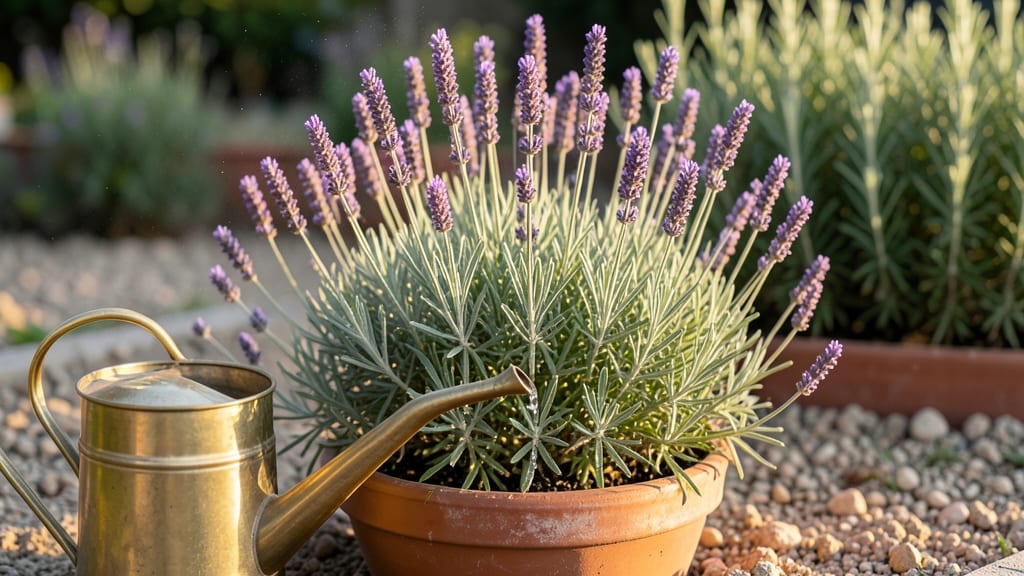
If your lavender plant how much water it needs keeps struggling despite your best efforts, you might be overcomplicating its care. This drought-loving herb thrives on neglect—literally—soaking up just enough moisture to survive without drowning.
Most gardeners make the mistake of treating lavender like a thirsty houseplant, but its roots despise soggy soil. The key is understanding its natural rhythm: deep watering once a week in spring and summer, then tapering off as temperatures drop. Even in containers, lavender prefers dry spells between drinks.
I’ve learned the hard way that lavender’s wilting often signals underwatering, not overwatering—its leaves curl to conserve moisture. But yellowing or mushy stems? That’s your plant screaming for rescue from too much love. Let’s fix that together with simple, science-backed watering rules.
Whether you’re growing lavender in USDA Zone 6a or a sunny windowsill, these guidelines will keep your 🌿 thriving without the guesswork. Ready to master the art of lavender hydration?

How much water lavender needs by season (with exact weekly guidelines)
Lavender thrives on consistency and moderation—too much water drowns its roots, while too little stunts its growth. As a drought-tolerant herb, lavender prefers dry soil between waterings, but it still needs regular moisture during active growth.
The key is understanding its seasonal needs, which shift dramatically from spring to winter. Whether you're growing lavender in containers or in-ground, these guidelines will keep your plants healthy, fragrant, and free from root rot.
In spring and fall, lavender enters its active growth phase and needs moderate watering—about once a week if rainfall is minimal. Summer is the most critical period, where lavender demands deep but infrequent watering every 7-10 days to prevent stress.
Meanwhile, winter slows growth, so you can reduce watering to once a month or only when the soil feels completely dry. Let’s break down the exact schedule for each season, including how to adjust for container vs. in-ground plants and rainfall variations.
🌱 Pro Tip: Always water early in the morning (before 10 AM) to allow foliage to dry quickly and reduce fungal risks. Avoid evening watering, as damp leaves overnight invite powdery mildew—a common lavender nemesis.
Testing soil moisture is the best way to avoid over- or under-watering. Stick your finger 2-3 inches deep into the soil—if it feels dry, it’s time to water. For container-grown lavender, the soil dries out faster due to limited root space, so check daily during hot summers.
In-ground lavender, however, can go longer between waterings because its roots spread wider to access moisture.
Rainfall plays a huge role in your watering schedule. If you’ve had more than 0.5 inches of rain in a week, skip your planned watering. Lavender hates soggy roots, and even well-draining soil can become waterlogged during heavy downpours.
Use a rain gauge or weather app to track precipitation and adjust accordingly. In drought-prone areas, lavender’s natural resilience makes it a low-maintenance choice—just ensure it gets deep waterings when needed.
Mulching is another game-changer for lavender care. Apply a 2-3 inch layer of gravel or straw around the base (but keep it 2 inches away from the stem to prevent rot). Mulch helps retain moisture during dry spells while also suppressing weeds that compete for water.
Just avoid organic mulches like wood chips, as they can retain too much moisture and suffocate lavender roots.
Young lavender plants (under 1 year old) are more sensitive to water stress and need frequent, shallow waterings to establish roots. Once established, mature lavender becomes extremely drought-tolerant—a trait that makes it perfect for xeriscaping or mediterranean-style gardens.
If you’re growing lavender in containers, choose pots with drainage holes and use a fast-draining potting mix (like a blend of cactus soil and perlite).
One of the biggest mistakes gardeners make is watering lavender on a strict schedule without checking soil conditions. Instead of relying on a calendar, follow the plant’s cues: drooping leaves signal thirst, while yellowing or mushy stems mean you’ve overdone it.
Adjust your watering based on temperature, humidity, and rainfall—lavender is forgiving, but it won’t tolerate waterlogged soil for long.
For maximum
Signs of overwatering vs. underwatering lavender (and how to fix it)
Lavender plants are famously drought-tolerant, but even they can’t handle watering mistakes. The key is recognizing early warning signs before damage becomes permanent. Here’s how to tell if your lavender is thirsty or drowning—and what to do about it.
Overwatering is the #1 killer of lavender, causing root rot and fungal diseases. Look for yellowing leaves, especially near the base, or stems that feel mushy when touched. If the soil smells sour or mold appears on the surface, your plant is begging for less water.
Underwatering, while less deadly, still stresses lavender. Wilting leaves that don’t perk up after watering, dry soil pulling away from the pot, or crispy leaf edges are clear signals. Unlike overwatering, underwatered lavender often recovers quickly with proper hydration.
Overwatering Lavender
- Yellow leaves (bottom first)
- Mushy stems
- Sour soil smell
- Mold on soil surface
- Stop watering immediately
- Repot in fresh, dry soil
- Ensure pot has drainage holes
- Water only when top 2 inches are dry
Underwatering Lavender
- Wilting leaves (even after water)
- Dry, cracking soil
- Crispy leaf edges
- Slow growth
- Water deeply until it drains
- Use morning watering only
- Mulch with gravel (not organic)
- Check soil moisture daily until recovered
For both issues, soil drainage is critical. Lavender roots need oxygen, so amend heavy soil with sand or perlite to improve airflow. If your plant’s leaves turn brown and brittle, it’s often a sign of salt buildup from poor drainage or over-fertilizing.
Pro tip: Stick your finger 2 inches into the soil. If it’s damp, wait. If it’s dry, water thoroughly—but never let it sit in soggy conditions. Lavender’s resilience shines when you give it just enough water to thrive, not drown.
🌿 Remember: Lavender’s fragrance fades when stressed. Keep an eye on your plant’s signals, and you’ll enjoy healthy blooms for years.