
Companion Plants
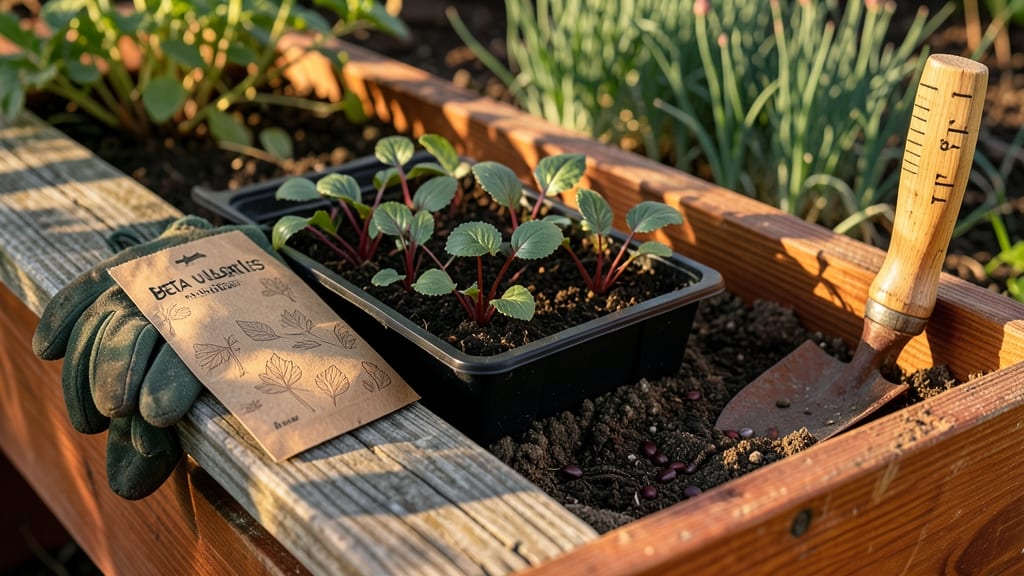
If you're wondering "when can I plant beets in Zone 7", timing is everything—because these earthy, nutrient-packed 🍠 roots demand cool weather to thrive, yet they bolt when temperatures creep too high.
Plant too early, and frost will nip them; too late, and you'll end up with bitter, leafy stalks instead of tender roots.
For Zone 7 gardeners, the sweet spot is 4-6 weeks before your last frost date—typically mid-March to early April—when soil temperatures hit a crisp 45°F and stay there.
But here's the secret: you can also sneak in a second planting in late summer (August-September) for a fall harvest, avoiding the heat that triggers bolting.
I’ll break down the exact weeks to plant, how to prep your soil for success, and even share my trick for extending your harvest into cooler months. No more guessing—just a foolproof plan to grow beets that are sweet, plentiful, and ready to harvest when you need them.
Ready to transform your garden into a beet bonanza? Let’s dive into the best planting windows, soil secrets, and foolproof tips to keep your 🍠 harvests coming all season long—without the stress of timing mistakes.
Zone 7 beet planting calendar: exact weeks before last frost for peak growth
Planting beets in Zone 7 requires precision timing to avoid the double-edged sword of early frost or summer bolting. Since beets thrive in cool temperatures (50-70°F), your window is narrow but critical.
The last frost date in most of Zone 7 falls around April 15, but your exact date may vary by 1-2 weeks depending on microclimates.
For a foolproof harvest, aim to plant beets 4-6 weeks before your last frost date. This means early March to mid-April for spring plantings. If you miss this window, don’t despair—fall planting (August-September) can yield a second harvest before winter sets in.
The key is understanding your soil temperature, which should be at least 45°F for germination.
Pro Tip: Use a soil thermometer to confirm readiness. Cold soil delays germination, while warm soil (above 80°F) triggers bolting. In Zone 7, March soil temps often hover in the 50-60°F range, making it ideal for early sowing.
Here’s the golden rule for Zone 7 beet planting: Plant when soil is workable but air temps stay below 80°F. This balance ensures strong root development without premature flowering. Let’s break down the exact weeks and conditions for success.
| Planting Window | Weeks Before Last Frost | Soil Temp (°F) | Air Temp (°F) | Notes |
|---|---|---|---|---|
| Early Spring | 4-6 weeks | 45-60°F | 50-70°F | Best for baby beets; sow seeds ½" deep. |
| Late Spring | 2-3 weeks | 60-70°F | 70-80°F | Risk of bolting; use shade cloth if needed. |
| Fall | 8-10 weeks before first frost | 50-65°F | 60-75°F | August-September plantings for late fall harvest. |
If you’re unsure about your last frost date, check your local cooperative extension service or use a frost calendar app. For example, in Atlanta, GA (Zone 7b), the average last frost is March 15, while in Richmond, VA (Zone 7a), it’s April 1.
Planting 4 weeks before these dates gives you a 60-day growing window before summer heat sets in.
For succession planting, sow new seeds every 2-3 weeks after your initial planting. This staggered approach ensures a continuous harvest from June through October. In Zone 7, late summer plantings (August) can produce beets ready for harvest by October, just before the first frost.
One common mistake is waiting until April 15 to plant, assuming it’s safe. But by then, soil may be too warm (70°F+), causing seeds to sprout erratically or bolt.
Instead, start indoors 4-6 weeks before your last frost if you’re eager for an early harvest, then transplant seedlings when soil temps drop to 60°F or below.
Remember, beets are cool-season crops, so they’ll tolerate light frosts (28-32°F) once established. However, heavy frost can damage foliage, so protect young plants with row covers if late frosts threaten. With the right timing, you’ll enjoy sweet, tender beets all season long.
🌱
Zone 7 beet planting calendar: exact weeks before last frost for peak growth
Timing your beet planting in Zone 7 starts with knowing your last frost date, which typically falls around April 15 for most areas.
Beets are cool-weather crops that bolt (go to seed) when temperatures exceed 80°F, so planting too late in spring or too early in fall can ruin your harvest.
The ideal window is 4-6 weeks before your last frost, which for Zone 7 translates to mid-March to early April.
For a second harvest, aim for late summer (August-September) to take advantage of cooler fall temperatures. This strategy lets you avoid the heat while still enjoying fresh beets before the first frost in mid-October.
I’ve planted beets in both windows successfully, and the fall harvest often yields sweeter roots because they mature in cooler weather.
| Planting Window | Soil Temp (°F) | Action | Notes |
|---|---|---|---|
| Early Spring (March) | 45-55°F | Sow seeds | Use row covers if frost threatens |
| Late Spring (April) | 50-60°F | Sow seeds | Harvest by June to avoid bolting |
| Late Summer (August) | 60-70°F | Sow seeds | Use shade cloth if temps exceed 80°F |
| Early Fall (September) | 50-60°F | Sow seeds | Harvest before first frost |
To calculate your exact planting dates, check your local frost dates using the USDA Plant Hardiness Zone Map or a trusted gardening app. For Zone 7, subtract 4-6 weeks from your last frost date to determine your first planting window.
For example, if your last frost is April 15, plant your first batch around March 15-30.
Don’t forget to test your soil temperature before planting—beets won’t germinate well in soil colder than 45°F. Use a soil thermometer to confirm conditions are right. I’ve found that waiting for soil to warm to at least 50°F ensures faster germination and stronger seedlings.
For a continuous harvest, consider succession planting every 2-3 weeks during your optimal windows. This method ensures you always have fresh beets ready to pick, whether you’re harvesting roots or baby greens. Just be sure to thin seedlings to 2-3 inches apart once they sprout to prevent overcrowding.
Pro tip: If you’re eager to plant earlier than recommended, use black plastic mulch to warm the soil faster. This trick can shave off 1-2 weeks of waiting time, giving you an earlier start on your beet harvest. Just remove the mulch once seedlings emerge to avoid overheating.