
Companion Plants
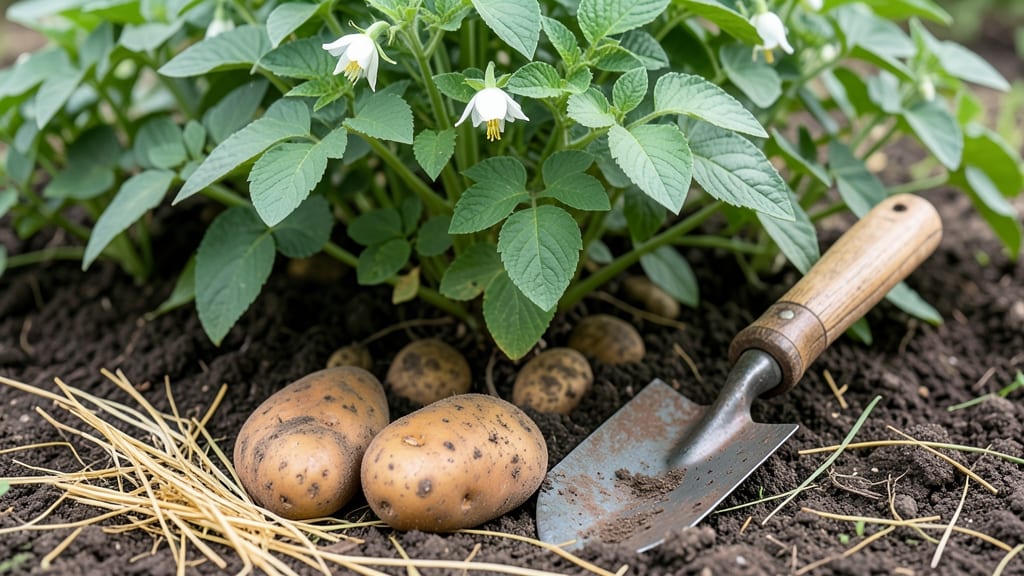
Timing your potato planting in Zone 6 isn’t just about throwing seed potatoes into the ground—it’s the difference between a bountiful harvest and wasted effort. With frost dates that can shift from year to year, knowing exactly when to plant 🥔 potatoes ensures your crop thrives instead of shriveling.
Whether you’re a first-time gardener or a seasoned green thumb, getting the timing right is the key to avoiding common pitfalls like late frosts or stunted growth.
Most gardeners in Zone 6 plant potatoes in early spring, but the exact window depends on soil temperature and your last frost date—typically 4-6 weeks before the average last frost in mid-April.
That means starting as early as late February for early varieties, but don’t rush it: cold soil can delay sprouting. I’ll break down the best strategies to time your planting perfectly, so you’re not left guessing whether your potatoes will survive the chill.
What if your spring is late or unpredictable? The solution isn’t just waiting—it’s preparing your soil and choosing the right varieties to give your potatoes the best shot. From chitting your seed potatoes to adjusting for regional microclimates, these tips will help you maximize your yield.
Let’s dive into the exact steps to plant potatoes in Zone 6 for a harvest that’ll make your neighbors jealous.
Ready to turn your garden into a potato powerhouse? You’ll learn how to read your soil, pick the best planting dates, and even troubleshoot delays—so you can enjoy homegrown spuds from mid-summer onward. No more second-guessing, just a foolproof plan for your Zone 6 garden.
Zone 6 potato planting calendar: exact weeks before last frost for maximum yield
In Zone 6, timing your potato planting is critical—aim for 4-6 weeks before your average last frost date (typically mid-April in most areas). This window ensures your tubers establish roots before temperatures dip below 45°F, which can stunt growth or kill young plants.
For early varieties, you can even plant as early as late February under protective covers, while late-season potatoes should go in by early May.
Your Zone 6 last frost date isn’t always April 15—some years it arrives earlier, others later. Check your local NOAA frost records or use a frost calculator to pinpoint the best week for your specific microclimate.
For example, gardeners in western Zone 6 (like Colorado) may plant 1-2 weeks earlier than those in eastern Zone 6 (like Pennsylvania).
Soil temperature is just as important as air temperature. Potatoes thrive when soil reaches 45-55°F. Use a soil thermometer to verify readiness—planting too soon in cold soil can lead to rotten tubers or slow sprouting.
If your soil is still chilly, try black plastic mulch or a cold frame to warm it up faster.
Here’s your Zone 6 potato planting timeline broken down by variety type and frost window:
Pro tip: Chitting your seed potatoes (pre-sprouting in a cool, bright spot) gives you a 2-week head start on growth. Place them in eggshell trays or a seedling tray with the rose end up (the side with the most eyes) 4–6 weeks before planting.
This ensures your potatoes emerge faster once soil warms up.
If you’re unsure about your last frost date, use frost-sensitive plants like petunias or basil as a test. Plant them in pots near your potato patch—if they survive overnight, your risk of frost drops significantly.
For extra protection, cover your potato rows with frost cloth or straw mulch until temperatures stabilize above 50°F.
Harvest timing varies by variety, but most Zone 6 potatoes are ready 70–120 days after planting. Early varieties like Red Pontiac can be harvested as soon as 60 days, while late varieties like Purple Majesty need the full 120 days.
Watch for yellowing foliage and new shoots on the soil surface—these are your cues to dig!
For a continuous harvest, stagger your plantings by 2–3 weeks. Start with early varieties, then add mid-season types, and finish with late varieties. This ensures you’ll have potatoes ready from June through September, even if Mother Nature throws a curveball with late frosts or early heatwaves.
Remember: Potatoes hate heat more than cold. If your spring warms up too quickly, focus on shade cloth or drip irrigation to keep soil moisture consistent.
Overwatering is just as bad as underwatering—aim for 1–2 inches of water per week and always water in the morning to prevent fungal diseases like blight.
5 Critical signs your Zone 6 soil is ready for potatoes (and how to fix common delays)
Planting potatoes in Zone 6 too early can leave your crop vulnerable to frost damage, while waiting too long risks stunted growth. The key is knowing when your soil is truly ready—not just when the calendar says spring.
I’ve planted potatoes for years in Zone 6, and I’ve learned the hard way that rushing or delaying can both backfire. The good news? There are clear signs your soil is ready, plus simple fixes if conditions aren’t quite right.
First, check your soil temperature—potatoes thrive when the ground reaches at least 45°F, but ideal planting happens between 45–55°F. Use a soil thermometer (they’re cheap and game-changing) to avoid guessing.
Cold soil slows sprouting, and warm soil encourages faster growth. If your soil is still below 45°F, don’t panic—there are ways to warm it up faster.
Next, assess moisture levels. Potatoes need consistently moist soil, but soggy conditions invite rot. Stick your finger 2 inches deep—if it feels dry, water deeply before planting.
If it’s muddy, wait a few days or improve drainage with compost or sand. Well-draining soil is non-negotiable for potatoes, as they hate sitting in water.
| Sign | What It Means | Fix If Needed |
|---|---|---|
| Soil temp ≥45°F | Ready for planting | Use black plastic mulch or row covers to warm soil faster |
| Moist but not soggy | Ideal moisture for sprouting | Add compost or sand if drainage is poor |
| No frost in forecast | No risk of killing young plants | Use frost blankets if late frost is possible |
| Loose, crumbly soil | Easy for roots to penetrate | Aerate compacted soil with a fork |
| pH 5.0–6.5 | Optimal for nutrient uptake | Amend with lime (raise pH) or sulfur (lower pH) |
If your soil is still too cold or wet, don’t despair—black plastic mulch can warm the ground by 5–10°F in just days. Lay it down 1–2 weeks before planting to create a microclimate.
For moisture issues, mulching with straw after planting helps retain water while preventing weeds. And if frost is still a threat, row covers or cold frames can buy you extra time.
One mistake I made early on was planting based on the calendar alone, only to have frost nip my seedlings. Now, I combine soil temperature checks, moisture tests, and weather forecasts to time my planting perfectly.
Even if your soil is ready, always double-check the 10-day forecast—a late frost can still sneak up. The goal is to plant when the soil is warm, moist, and frost-free for at least a week.
Finally, test your soil’s pH—potatoes prefer 5.0–6.5. If your soil is too acidic or alkaline, amend it with lime (to raise pH) or sulfur (to lower pH) a few weeks before planting.
A simple pH test kit (under $10) will save you from guessing. Once you’ve got these signs nailed down, you’ll never second-guess your planting timing again.
Ready to plant with confidence? Grab your soil thermometer, check those conditions, and get those seed potatoes in the ground when the time is truly right. Your future harvest will thank you!