
Companion Plants
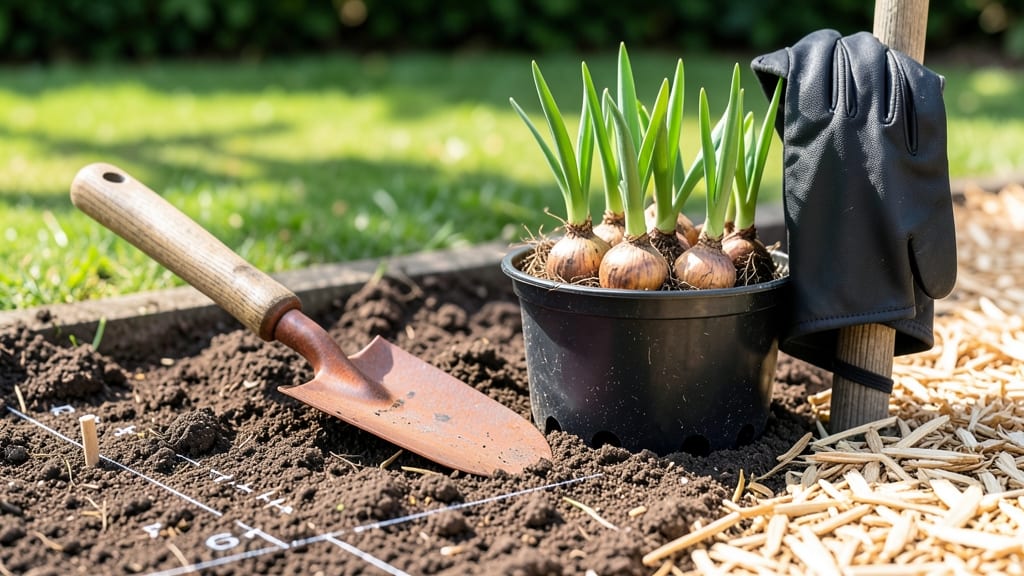
When can I plant potted tulips in the ground? Timing them wrong could mean losing those dreamy spring blooms before they even begin. The perfect window depends on your hardiness zone, soil temperature, and frost risk—but getting it right ensures vibrant flowers year after year.
Most gardeners in Zone 6a (like me!) know fall is the golden window for planting tulips, but did you know soil temps matter more than the calendar? When those roots hit 40-50°F soil, they’ll start growing strong, setting the stage for next year’s showstopper blooms.
Here’s the game-changer: Planting too early or late can stress your bulbs, leaving them vulnerable to frost or rot. I’ll break down the exact frost-free timeline for your zone, plus how to check soil readiness so you never guess again.
Whether you’re a first-time gardener or a seasoned pro, these tips will help you transplant potted tulips with confidence—so you can enjoy those April-May blooms without a hitch.
Best planting time for potted tulips by USDA hardiness Zone
Timing is everything when planting potted tulips in your garden. The key is to plant them 4-6 weeks before the first hard frost—this gives bulbs time to establish roots before winter dormancy.
Miss this window, and you risk frost damage or poor spring blooms. Let’s break down the ideal planting months for each USDA hardiness zone to ensure your tulips thrive.
Most gardeners plant tulips in fall, but the exact timing varies by region. For example, in Zone 3-5, you’ll want to plant by early October, while in Zone 7-9, late November or even December works.
The goal is to plant when soil temperatures drop to 40-50°F—this signals bulbs to root without sprouting too early.
Here’s a quick reference for your zone. Use this as your guide to avoid common mistakes like planting too early (which can cause premature sprouting) or too late (which may not give roots enough time to establish).
If you’re in Zone 3-5, don’t wait past mid-October—early frosts can damage unrooted bulbs. In warmer zones (7-10), you have more flexibility, but planting too late (after December) may delay spring blooms. Always check your local frost dates and adjust accordingly.
Pro tip: If your zone falls outside these guidelines, plant potted tulips in containers first and move them to the ground once soil temps drop. This gives you extra control over timing and reduces frost risk.
Another critical factor is soil preparation. Tulips need well-draining soil with a pH of 6.0-7.0. Amend heavy clay soil with compost or sand to prevent bulb rot. If your soil is too wet, plant on a slight mound or in raised beds.
Once planted, water deeply to settle the soil around the bulbs, but avoid overwatering—soggy soil can cause rot. Mulch with 2-3 inches of straw or leaves after planting to insulate bulbs and retain moisture. This is especially important in Zone 3-5, where winters are harsh.
Finally, resist the urge to fertilize after planting. Tulips bloom from last year’s growth, so feeding now can encourage foliage at the expense of next year’s flowers. Wait until early spring (after blooms fade) to fertilize lightly if needed.
By following these zone-specific guidelines, you’ll set your potted tulips up for success—guaranteeing vibrant spring blooms year after year. 🌷
How to check soil temperature and frost risk before planting
Before you dig in, checking soil temperature and frost risk is the secret to planting potted tulips successfully. Cold soil can shock bulbs, while premature planting risks frost damage.
I’ve learned the hard way—planting too early in my Zone 6a garden once led to frozen roots and no blooms the next spring.
Use a soil thermometer to test 4-6 inches deep—this is where tulip roots will grow. The ideal range is 40-50°F. If your soil is warmer, wait a few days; if it’s colder, delay planting until temperatures stabilize. Most garden centers sell affordable thermometers for under $10.
Next, check your local frost forecast. Planting 4-6 weeks before the first hard frost gives roots time to establish before winter sets in. For example, in Zone 5, this might mean planting in early October, while Zone 8 gardeners can wait until November.
⚠️ Warning: Planting Too Early or Late
Too early: Bulbs may sprout before frost kills them, wasting energy and resources. Too late: Roots won’t establish before winter, leading to weak or no blooms next spring. Always prioritize soil temperature over calendar dates.
For extra protection, use a frost blanket or mulch heavily after planting. I’ve had great success with straw mulch (3-4 inches thick) to insulate bulbs during unpredictable cold snaps. This buffer can make the difference between thriving tulips and a failed garden bed.
Pro tip: If your area has unpredictable frost patterns, sign up for a local weather alert system. Apps like Old Farmer’s Almanac or your USDA Plant Hardiness Zone map provide reliable frost date estimates tailored to your location.
Finally, observe your garden’s microclimate. Areas near stone walls or south-facing slopes may warm up faster and frost later than the rest of your yard. Planting in these spots can extend your window by a few critical weeks.
By mastering these checks, you’ll avoid the guesswork and give your potted tulips the best shot at vibrant spring blooms. Happy planting! 🌷