
Plants
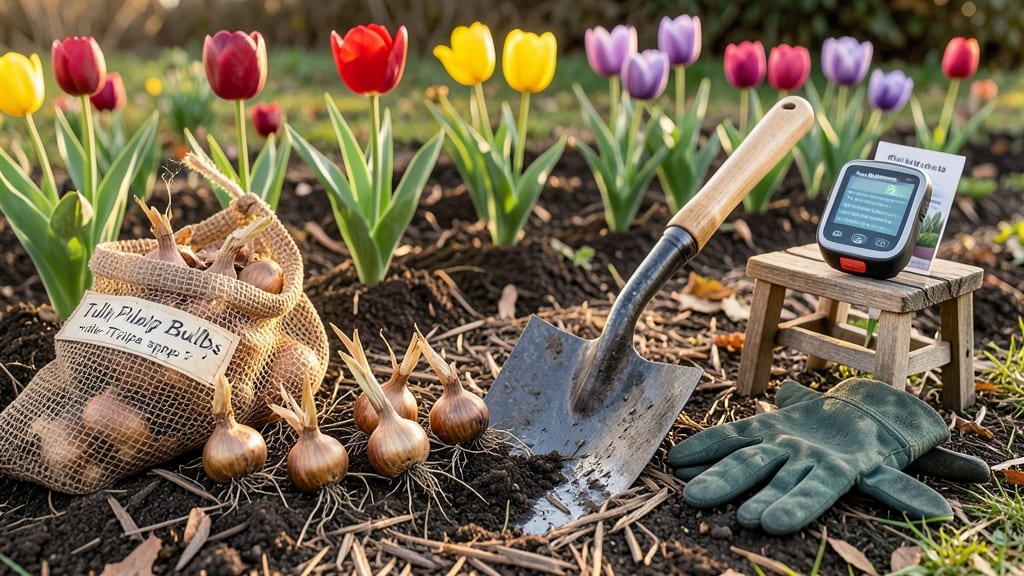
If you’ve ever planted tulip bulbs 🌷 in California only to watch them fail to bloom—or worse, rot in the ground—you’re not alone. The answer isn’t just when you plant, but how you match your region’s unique climate to the bulbs’ needs.
Coastal fog, inland heat, and those infamous chill hours all play a role in whether your tulips will reward you with vibrant spring blooms or disappear into the soil.
Here’s the truth: California’s 9a-10b zones demand precision. Plant too early, and your bulbs might sprout before winter’s chill sets in. Too late, and they’ll struggle with summer heat.
The key is understanding your local chill-hour requirements—whether you’re in foggy San Francisco or sunbaked Palm Springs—and planting at the perfect moment to ensure reliable blooms.
In this guide, I’ll break down the exact planting windows for Northern, Central, and Southern California, plus pro tips to outsmart gophers, drought, and other local challenges.
By the end, you’ll know not just when to plant, but how to set your tulips up for success—so next spring, your garden becomes a sea of color instead of a missed opportunity.
Let’s get started—your April-May blooms are waiting.
California’s chill-hour zones: the secret to perfect tulip planting timing
California’s mild winters and diverse climates make tulip planting tricky. Unlike cooler states, tulips here need chill hours—prolonged exposure to temperatures between 32–45°F—to bloom.
Without enough chill, your bulbs might sprout leaves but skip flowering entirely. The key? Matching your region’s chill-hour zone to the right planting window.
Northern California (e.g., Sacramento, Redding) typically gets 500–1,000+ chill hours, while Southern California (e.g., Los Angeles, San Diego) often sees 300–500 hours.
Coastal areas like Santa Barbara may only hit 200–300 hours, requiring special varieties or pre-chilling bulbs. Understanding your zone ensures reliable blooms every spring.
To find your chill hours, check NOAA’s climate data for your ZIP code or use a chill-hour calculator. Most tulip varieties need 12–16 weeks of chill, so plant bulbs 4–6 weeks before your area’s average first frost (or anytime in frost-free coastal zones).
For example, San Francisco gardeners can plant year-round, while Fresno should aim for October–November.
Here’s how chill hours break down by region and what it means for your planting schedule:
| Region | Chill Hours | Best Planting Window | Top Varieties |
|---|---|---|---|
| Northern CA (Sacramento, Redding) | 500–1,000+ | October–November | Darwin Hybrid, Parrot Tulips |
| Central CA (San Francisco, Monterey) | 300–500 | November–December | Fosteriana, Greigii |
| Southern CA (Los Angeles, San Diego) | 200–300 | December–January | Species Tulips (e.g., Tulipa tarda) |
| Coastal CA (Santa Barbara, Santa Cruz) | 100–200 | Anytime (pre-chill bulbs) | Early bloomers (e.g., Tulipa clusiana) |
If you’re in a low-chill zone (e.g., San Diego), opt for species tulips or pre-chill bulbs in your fridge for 8–12 weeks before planting. For high-chill zones (e.g., Redding), plant Darwin hybrids in early October to ensure full bloom by spring.
Always plant bulbs 6–8 inches deep in well-draining soil to prevent rot.
Pro tip: Use mulch (straw or wood chips) after planting to insulate bulbs and maintain consistent soil temps. This is especially critical in Southern California, where winter temps can fluctuate wildly. Mulch also deters gophers, a common threat to bulbs in the Golden State.
Remember, tulips need 6+ hours of sun daily to thrive. Plant them in a south-facing bed or container for optimal blooms. With the right chill hours and timing, your tulips will reward you with vibrant spring color—even in California’s unpredictable climate!
For a deeper dive, check your local Master Gardener program or UCCE (University of California Cooperative Extension) for region-specific advice. Happy planting!
Step-by-step planting schedule by California region (with Deadline alerts)
California’s climate varies so dramatically from north to south that a one-size-fits-all planting schedule won’t cut it. In Northern California, where winters are cooler and frost is more common, your window is October through November.
But in Southern California, where mild winters and early springs rule, you’ve got until December–January—though rushing can backfire if bulbs sprout too early.
Here’s your region-specific planting timeline, complete with critical deadlines to avoid summer heat stress or frost damage. Miss these windows, and your tulips may never bloom—or worse, rot before they even get a chance.
🌷 PRO TIP: Use the 50°F soil thermometer rule—plant when soil temps drop to 50°F (10°C) at 6 inches deep. This ensures bulbs won’t sprout prematurely in warmer zones.
Northern California (USDA Zones 8-9)
- 📅 October 1–15: Plant Darwin hybrid bulbs (taller, more reliable) in well-draining soil. Aim for 6–8 inches deep, 4–6 inches apart.
- 📅 October 16–31: Add species tulips (e.g., Tulipa tarda) for early blooms. Mulch with 3 inches of straw to protect from gophers.
- ⏰ DEADLINE: November 15—After this, bulbs risk sprouting before winter chill sets in, weakening next year’s blooms.
Central California (USDA Zones 9-10)
- 📅 November 1–15: Plant Parrot tulips (vibrant colors) and fosteriana varieties (early bloomers). Soil should be cool but not frozen.
- 📅 November 16–30: Focus on double-flowered tulips (e.g., Queen of Night). Water deeply after planting to settle soil.
- ⏰ DEADLINE: December 10—Miss this, and bulbs may not get enough chill hours (500–700) for robust growth.
Southern California (USDA Zones 10-11)
- 📅 December 1–15: Plant late-blooming varieties like Tulipa greigii (purple-striped). Use containers with drainage if planting in desert regions.
- 📅 December 16–January 15: Species tulips (e.g., Tulipa clusiana) thrive here. Avoid planting after January 15—bulbs may sprout before winter rains arrive.
- ⚠️ WARNING: In coastal zones (e.g., LA, San Diego), you can plant year-round, but blooms may be smaller without winter chill.
Need a quick reference? Bookmark this: Northern CA = October–November, Central CA = November–December, Southern CA = December–January. And remember—cooler microclimates (like mountain foothills) can push your window 2–3 weeks earlier.
Once planted, water deeply once to encourage root growth, then reduce watering until spring. In drought-prone areas, a 3-inch mulch layer keeps moisture locked in—critical for bulbs that need to stay dormant until winter.