
Companion Plants
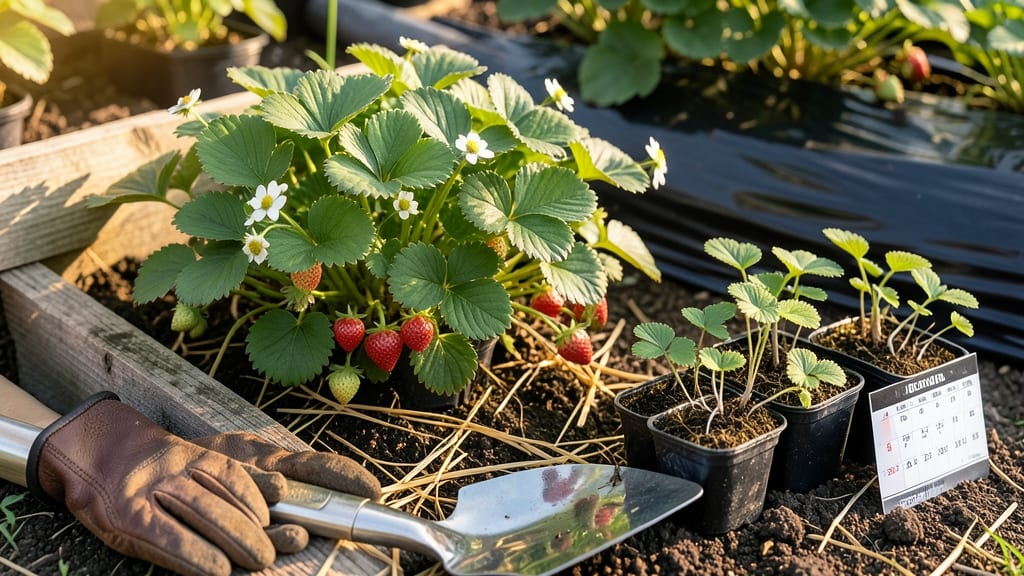
Figuring out when to plant strawberries in Zone 6 can feel like guessing—one wrong move, and your sweet 🍓 dreams turn sour. But here’s the secret: timing isn’t just about the calendar; it’s about soil warmth, frost dates, and even your strawberry type.
In Zone 6 (6a-6b), most gardeners swear by late April to early June for spring planting, once the soil hits 45°F and the last frost has passed.
But fall planting in September works too, giving you a head start on next year’s harvest. The key? Avoiding early frosts that can kill tender roots.
Whether you’re planting bare-root crowns or potted seedlings, getting this right means fewer struggles and bigger yields. I’ll break down the exact weeks before last frost for June-bearing vs. everbearing varieties—and how to adjust for Zone 6’s unpredictable spring.
Ready to turn your garden into a strawberry patch? Let’s dive into the best windows, soil tricks, and variety picks to make your 🍓 season a success.
Zone 6 strawberry planting timeline: exact weeks before last frost for June-bearing vs. everbearing varieties
Timing is everything when planting strawberries in Zone 6, where last frost dates can vary by 2-3 weeks across the region. For most of Zone 6, the average last frost falls around April 15, but microclimates near lakes or mountains may push this back to May 1.
Understanding these windows ensures your strawberries establish roots before summer heat arrives.
Strawberries thrive when planted 4-6 weeks before last frost for spring planting, giving them time to root before active growth.
However, everbearing varieties can handle slightly earlier planting (6-8 weeks before frost) because they produce fruit in both spring and fall. June-bearing varieties, which yield a single massive harvest, need that extra time to harden off.
Soil temperature is just as critical as air temperature. Strawberries won’t thrive until the soil reaches 40°F or warmer. In Zone 6, this typically aligns with mid-April to early May, but cold, wet springs can delay warming.
Use a soil thermometer to confirm—planting too early in cold soil can stunt root growth and invite disease.
Fall planting in Zone 6 offers a second chance for success. Aim to plant 6-8 weeks before first frost (usually mid-September), allowing roots to establish before winter dormancy. This strategy extends your harvest window and reduces pressure on spring planting schedules.
Here’s the key difference between planting windows for your strawberry varieties:
| Variety Type | Spring Planting Window | Fall Planting Window | Soil Temp Requirement | Key Tip |
|---|---|---|---|---|
| June-Bearing | 4-6 weeks before last frost (early April) | 6-8 weeks before first frost (mid-Sept) | 40°F+ | Prioritize root growth over early fruit |
| Everbearing | 6-8 weeks before last frost (late March) | 4-6 weeks before first frost (early Oct) | 35°F+ (more cold-tolerant) | Can produce fruit in first year if planted early |
| Day-Neutral | 8-10 weeks before last frost (Feb-March) | 8-10 weeks before first frost (late Sept) | 38°F+ | Continuous harvest potential year-round |
For June-bearing strawberries, the 4-6 week window before last frost ensures roots establish before the plant shifts energy to flowering and fruiting. Planting too early risks rot or weak growth from cold soil, while planting too late may leave plants struggling in summer heat.
Use black plastic mulch to warm soil faster if your spring is slow to heat up.
If you’re planting bare-root strawberries, soak the roots for 1-2 hours before planting to revive them. For potted seedlings, avoid planting until the soil is consistently above 45°F—their roots are more delicate.
Everbearing varieties can handle earlier planting because they’re more cold-hardy, but their first-year yield may be smaller as they focus on root establishment.
Zone 6 gardeners often face unpredictable spring weather, so having a backup plan is wise. If frost warnings appear after planting, cover young plants with row covers or old blankets secured with bricks.
This protects them until temperatures stabilize. For fall planting, prioritize varieties like 'Albion' or 'Chandler', which tolerate cooler soils better than others.
Remember: Strawberries are perennial in Zone 6, meaning they’ll return for 3-5 years if cared for properly. Planting at the right time ensures your first year sets the stage for future harvests. Next, we’ll cover how to adjust for Zone 6’s late frosts and microclimates to maximize your success.
Zone 6 strawberry planting timeline: exact weeks before last frost for June-bearing vs. everbearing varieties
In Zone 6, your strawberry planting success hinges on nailing the 4-10 week window before last frost. June-bearing varieties (like 'Chandler') need 4-6 weeks of warm soil to establish roots before blooming, while everbearing types (like 'Albion') tolerate 8-10 weeks of cooler conditions.
The average last frost in Zone 6 falls around April 15, but soil temperature is your real guide—aim for 45°F+ at 4 inches deep.
Spring planting gives you the longest harvest window, but fall planting in September works too—just ensure roots establish before first frost (October 15). The key difference? Spring plants focus energy on root growth before summer heat, while fall plants prioritize early root development for next year’s harvest.
| Planting Window | Variety Type | Weeks Before Last Frost | Soil Temp Requirement | Best Month |
|---|---|---|---|---|
| Spring Planting | June-Bearing | 4-6 weeks | 45°F+ | Late April - Early May |
| Spring Planting | Everbearing | 6-8 weeks | 40°F+ | Mid-April - Late April |
| Fall Planting | June-Bearing | 8-10 weeks | 50°F+ | September |
| Fall Planting | Everbearing | 6-8 weeks | 45°F+ | Late August - Early September |
For June-bearing strawberries, planting 4-6 weeks before last frost (late April) ensures roots establish before summer heat. Everbearing types can handle cooler soils, so 6-8 weeks out (mid-April) works better. Pro tip: Use a soil thermometer—strawberries won’t thrive in cold, wet soil, even if frost dates pass.
Fall planting in September gives everbearing varieties a head start, but June-bearers need 8-10 weeks to root before winter. Mulch heavily with straw or leaves to insulate roots—this prevents freeze-thaw damage that can kill plants.
I’ve seen gardeners in Zone 6 extend fall planting to mid-October with row covers, but roots must be 2 inches deep before frost.
Don’t forget: Bare-root plants establish faster than potted seedlings in spring, but potted varieties handle fall planting better. If you’re unsure about frost dates, err on the side of earlier planting—strawberries recover better from delayed planting than from frost damage. Just monitor soil temps closely!
🌱