
Plants
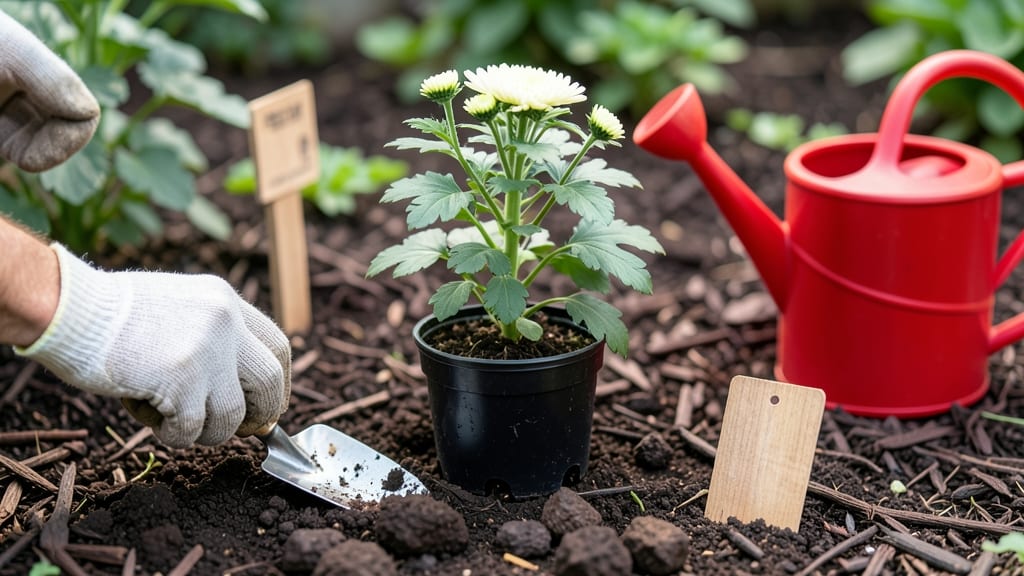
Planting mums in the ground at the wrong time means frost-damaged roots or missed fall color—so knowing the perfect window is the key to vibrant blooms all season.
Whether you're in USDA Zone 6a or beyond, timing matters more than you might think, especially when aiming for those zero-frost blooms that steal the show.
Most gardeners rush to plant too early, only to watch their mums struggle in warm soil before winter. The secret? Waiting until late summer to early fall—about 4-6 weeks before your first frost—gives roots time to establish without racing against cold.
This 4-week window (typically July-August for most regions) is your golden opportunity to set up next year's showstopping display.
But here's the catch: regional differences matter. Pacific Northwest gardeners might plant earlier than those in the Deep South, where heat lingers longer. I'll break down exactly how to adjust your schedule based on your zone, plus the 3 biggest mistakes that kill mum success before they even bloom.
Ready to transform your garden into a fall masterpiece? Let's dive into the timing secrets that'll have your mums thriving—no frost, no stress, just bold color until winter.
Perfect fall planting windows for mums by US hardiness zones
Planting mums too early or too late can mean the difference between vibrant fall blooms and sad, frost-bitten stems. The key is timing: transplant them 4-6 weeks before your first frost to give roots time to establish.
This window varies wildly across the U.S., from late July in Zone 10 to mid-September in Zone 3. Let’s break it down by zone so you can plant with confidence.
Your USDA zone determines everything—soil warmth, frost dates, and even which mum varieties thrive. For example, hardy garden mums (like 'Autumn Joy') handle Zone 5 winters, while tender varieties (like 'Crimson Beauty') need Zone 7 or warmer.
Always check your local frost dates using the USDA Plant Hardiness Zone Map before digging in.
Soil temperature matters just as much as air temperature. Mums need soil temps between 60-70°F to root successfully. In cooler zones, wait until the ground warms—use a soil thermometer if you’re unsure. Pro tip: Morning sunlight warms soil faster than afternoon shade, so plant on clear, sunny days.
Regional quirks can throw off your timing. In the Pacific Northwest, cooler summers mean later planting (aim for mid-to-late August). Meanwhile, in the Deep South (Zones 8-11), mums can bloom year-round—just plant in early fall or late winter to avoid summer heat stress.
Here’s your zone-by-zone planting schedule, including ideal soil temps and frost-free windows:
| USDA Zone | Planting Window | Soil Temp (°F) | Frost-Free Days Before Planting | Best Varieties |
|---|---|---|---|---|
| Zones 3-5 | Mid-August to early September | 60-65°F | 4-6 weeks | 'Autumn Joy', 'Bushy Mums' |
| Zones 6-7 | Late August to mid-September | 65-70°F | 4-5 weeks | 'Crimson Beauty', 'Pink Beauty' |
| Zones 8-9 | Early September to October | 68-72°F | 3-4 weeks | 'Bonanza', 'Dazzler' |
| Zones 10-11 | Late July to August | 70-75°F | 2-3 weeks | 'Penny', 'Tuff Stuff' |
🌼 Pro Tip: Use a soil thermometer to confirm temps before planting.
If you’re in a transition zone (e.g., Zone 6b/7a), err on the side of planting later. Cooler summers can delay soil warming, and mums planted too early may bolt (send up flower stems prematurely), reducing fall color.
Always check the back of your mum tags—they often list ideal planting dates!
For container-grown mums, adjust your timing slightly. Potted plants dry out faster, so plant them 1-2 weeks earlier than in-ground mums to give roots extra time to adjust. Water thoroughly before transplanting to minimize shock—think of it like giving your mums a drink before moving house.
One last tip: Mulch immediately after planting with 2-3 inches of organic mulch (like shredded leaves or straw). This insulates roots from temperature swings and retains moisture. In Zone 4 or colder, add an extra layer of mulch in late fall to protect overwintering mums.
Now that you’ve got your timing locked in, your mums are one step closer to showstopping fall color. Next, we’ll cover how to spot when your mums are truly ready for planting—and the three mistakes that sabotage even the best-laid plans. 🌼
Perfect fall planting windows for mums by US hardiness zones
Planting mums 4-6 weeks before your first frost is the golden rule for zero-frost blooms next year. But since frost dates vary wildly—from October in Zone 3 to December in Zone 11—you need a zone-specific strategy.
The key is giving roots time to establish before winter sets in, while avoiding late-summer heat stress that stunts growth.
Soil temperature matters just as much as air temperature. Aim for 60-70°F soil when transplanting—cool enough to avoid shock but warm enough for root growth.
In colder zones, this might mean waiting until late August or early September, while warmer climates can plant as late as October or November.
Here’s how to adapt your planting schedule by zone, with ideal windows and soil prep tips:
Regional microclimates can shift these windows by weeks. For example, Pacific Northwest gardens might plant in late September due to cooler summers, while Deep South gardens can extend planting into November. Always check your local frost date and adjust accordingly—6 weeks before frost is your safety net.
Pro tip: Test soil moisture before planting. Mums hate soggy roots, so ensure your garden drains well. Amend heavy clay with compost or perlite to improve aeration. This small step prevents root rot, the #1 killer of newly planted mums.
Once planted, mulch with 2-3 inches of straw to insulate roots and retain moisture. This is especially critical in Zone 3-5 gardens, where winter temperatures can plunge suddenly. Mulch acts like a blanket, protecting your investment until spring.