
Companion Plants
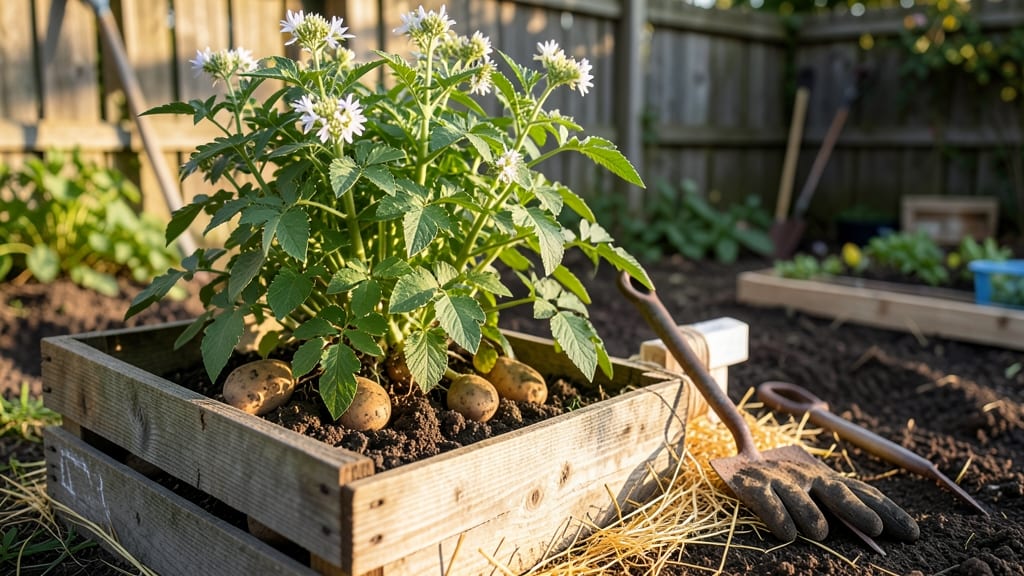
Timing when you can plant potatoes in Pennsylvania can make or break your harvest—especially when frost dates and soil temperatures play such a big role. You’ve probably heard that spring is the ideal window, but did you know the exact soil temperature triggers that determine success?
Getting it right means avoiding wasted seed potatoes or stunted growth, and I’ll show you how to nail it for your specific PA zone.
Most gardeners in zones 5a-7b aim to plant between March and April, but the real secret lies in waiting until the soil warms to 45-50°F. Cold soil slows sprouting, while rushing too early risks frost damage—especially in regions like Pittsburgh where late frosts linger.
I’ll walk you through how to test soil readiness and adjust for your local microclimate, whether you’re in Philadelphia’s urban gardens or the cooler Pocono Mountains.
What if you’re eager to start earlier? Some cold-hardy varieties can handle late February plantings, but you’ll need to protect them with mulch or row covers. On the flip side, late varieties planted in May still thrive if you choose the right types.
The key is understanding how your specific PA region behaves—because a 10-day difference in frost dates can change everything.
Ready to grow potatoes that outperform your neighbors’? I’ll break down the exact steps to time your planting for maximum yield, from soil prep to variety selection. Let’s get those 🥔 tubers growing the right way—no guesswork, just results.
Optimal Pennsylvania planting windows by region and soil temperature
Pennsylvania’s diverse climate—spanning USDA Zones 5a to 7b—means your potato planting timeline should align with your specific region. Most gardeners aim to plant 2-4 weeks before the last spring frost, but soil temperature is the true game-changer.
Potatoes thrive when soil reaches 45-50°F, signaling it’s safe to plant seed potatoes without risking frost damage.
In southeastern PA (Zone 7a), like Philadelphia, you can start as early as mid-March. Meanwhile, gardeners in northwest PA (Zone 5b), like Erie, should wait until late April.
Always check your local last frost date (e.g., March 15 in Harrisburg, April 15 in Pittsburgh) and adjust accordingly.
🌱Pro Tip: Use a soil thermometer to confirm readiness. If soil temps dip below 45°F, wait another week—cold soil slows germination and invites rot.
| Region | Zone | Ideal Planting Window | Soil Temp Threshold | Last Frost Date |
|---|---|---|---|---|
| Southeast (Philadelphia) | 7a | Mid-March to early April | 45-50°F | March 15 |
| Central (Harrisburg) | 6b | Late March to early April | 45-50°F | April 1 |
| Northwest (Pittsburgh) | 6a | Late March to mid-April | 45-50°F | April 15 |
| Northeast (Scranton) | 5b | Late April | 50°F+ | May 1 |
For early varieties like Yukon Gold or Red Pontiac, which mature in 90 days, aim to plant by mid-April to harvest before summer heat stress. Late varieties like Russet or Kennebec (110+ days) can wait until late April for a fall harvest.
🌿Key Insight: Pennsylvania’s 165 frost-free days limit your growing window. Planting too late risks small yields or frost-damaged tubers before harvest.
If you’re unsure about your region’s frost dates, use the National Weather Service’s frost calculator or check your local Cooperative Extension office. They provide hyper-localized advice tailored to your zip code.
💡Advanced Tip: In Zone 5b, try container growing to plant earlier. Containers warm up faster in spring, giving you a 2-week head start on garden beds.
Finally, avoid planting too early—even if soil temps are ideal. Cold nights can still damage tender sprouts. Use row covers or black plastic mulch to insulate soil and speed up warming.
☀️Remember: Potatoes need 6-8 hours of sun daily, so choose a south-facing spot with no shade from trees or fences.
How to adjust planting timing for Pennsylvania’s microclimates
Pennsylvania’s diverse geography—from the Allegheny Mountains to the Delaware River Valley—means your potato planting window can vary by hundreds of miles. Urban gardeners in Philadelphia might plant in early March, while those in the Poconos could wait until late April. Understanding these microclimates helps you maximize yields and avoid frost damage. High-altitude areas like the Pocono Mountains (Zone 5a) experience earlier frosts and cooler soils. Here, cold-hardy varieties like Yukon Gold or Kennebec thrive when planted 2-3 weeks later than lowland regions. Meanwhile, river valleys like the Lehigh Valley (Zone 6b) warm up faster, allowing for earlier plantings—sometimes as early as mid-February under row covers. <comparison-table>| Region | Last Frost Date | Ideal Planting Window | Cold-Hardy Varieties |
|---|---|---|---|
| Poconos (Zone 5a) | April 15-May 1 | Late April (soil 45°F+) | Yukon Gold, Kennebec |
| Philadelphia (Zone 7a) | March 15-April 1 | Early March (soil 40°F+) | Red Pontiac, Adirondack Blue |
| Pittsburgh (Zone 6b) | April 1-May 1 | Late March (soil 42°F+) | LaSoda, Fingerling |
- 1 Test soil temperature with a soil thermometer—wait until it hits 45°F+ for 24 hours.
- 2 Use row covers to extend the season by 2-3 weeks in cooler areas like the Poconos.
- 3 Plant early varieties (e.g., Red LaSoda) for 60-day harvests—ideal for short seasons.
- 4 Avoid planting in soggy soil—wait for well-drained conditions to prevent rot, especially in river valleys.
🌱