Planting
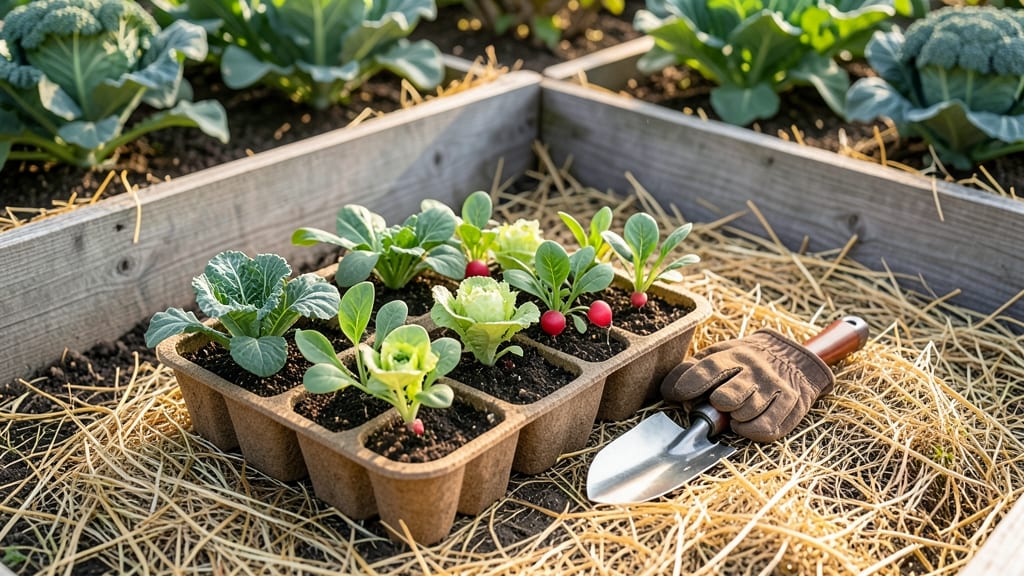
Timing your fall garden in Texas isn't just about avoiding frost—it's about mastering the state's wild microclimates, where a 30-mile drive can shift your ideal planting window by weeks. Too early, and your broccoli bolts before harvest; too late, and a surprise frost ruins your kale.
But with the right schedule, you can grow crisp lettuce in North Texas while coastal gardeners enjoy sweet carrots until December.
I’ve spent years tracking Texas’ diverse zones—from the humid Gulf Coast to the arid Panhandle—and pinpointed the exact weeks to plant for zero-bolt success. Whether you’re in Zone 8a or 10b, this guide cuts through the guesswork, giving you crop-specific deadlines and regional tweaks.
Skip the trial-and-error; let’s get your 🥬 garden thriving with confidence.
What you’ll discover isn’t just a calendar—it’s a strategy to outsmart Texas’ quirks, like how to stretch your season with row covers or when to ditch heat-sensitive seeds before they wilt.
We’ll also tackle the top mistakes that derail even experienced gardeners, from planting too close to frost dates to ignoring soil prep for heavy clay soils. Ready to turn your backyard into a fall harvest goldmine?
By the end, you’ll know not just when to plant, but why—so you can adjust for rain delays, heat spikes, or unexpected cold snaps. No more wasted seeds or bolted greens. Let’s make this your most productive fall garden yet.
Texas fall planting calendar by region: exact weeks to plant for zero-bolt success
Texas' diverse climate zones mean your fall planting window could start as early as mid-July in South Texas or as late as early October in the Panhandle. The key is aligning your cool-season crops with your region's first frost date and soil temperature—not just the calendar month.
Let's break it down by zone to avoid bolting or frost damage.
North Texas (Zone 8a) gardeners should aim for mid-August to early September planting. This gives most cool-season crops like broccoli and kale enough time to mature before the average first frost around November 15.
In Central Texas (Zone 8b), you've got a slightly longer window—late July to mid-September—thanks to milder winters.
The Gulf Coast (Zone 9a-10a) is the most forgiving, with June to October as your planting window. Here, frost is rare, but heat-sensitive crops like spinach need to go in by early September to avoid bolting.
Meanwhile, the Hill Country (Zone 8a) mirrors North Texas but with slightly cooler nights, so early September is your last safe window for most crops.
West Texas (Zone 7b-8a) demands precision—late August to early September is your only safe window. The arid climate means soil cools faster, but drought stress can still be an issue. Always water deeply after planting to help seeds germinate in the dry heat.
🌱
For heat-sensitive crops like spinach or lettuce, aim to plant 8-10 weeks before your first frost. Hardier crops like kale or collards can handle cooler temps and may even sweeten after frost.
Always check seed packets for days-to-maturity—this tells you exactly when to plant for a harvest before frost.
Pro tip: Use a soil thermometer to confirm soil temps are below 85°F before planting. If it's still hotter than 90°F, your seeds may rot in the ground instead of germinating.
5 Critical factors that determine your Perfect Fall Planting Time in Texas
Texas' fall planting window isn’t just about avoiding frost—it’s about soil temps, daylight hours, and crop heat tolerance.
I’ve planted fall gardens in Zone 8a (North Texas) and Zone 10a (South Texas), and these 5 factors make all the difference between a thriving harvest and wasted seeds. Let’s break them down so you can pinpoint your ideal planting dates.
First, soil temperature is your #1 guide. Most cool-season crops like broccoli and spinach need soil temps between 45°F and 85°F to germinate. Use a soil thermometer—if it’s above 85°F in August, wait until temps drop.
In East Texas, this might mean planting in late August, while West Texas gardeners can start as early as mid-July when nights cool down.
Next, daylight sensitivity plays a huge role. Crops like lettuce and kale bolt when days get too short. Texas’ daylight hours drop from 13 hours in August to 10 hours by November.
Plant leafy greens by mid-September in North Texas to avoid early bolting, but South Texas can stretch lettuce planting until early October thanks to longer daylight.
Don’t overlook crop heat tolerance. Some veggies, like broccoli and cauliflower, thrive in 60–70°F soil but bolt if temps rise above 80°F. Others, like turnips and radishes, handle up to 85°F.
Check seed packets for heat tolerance ratings—this determines whether you can plant in late August (South Texas) or must wait until September (North Texas).
Your local first frost date is another critical marker. While South Texas (Zone 10a) rarely sees frost, North Texas (Zone 8a) can hit 28°F by November. Plant 60–90 days before your frost date for crops like kale (90 days) or spinach (60 days).
Use the Texas A&M AgriLife Extension frost map to find your exact date—this alone can save your entire garden.
Finally, season extension tools like row covers or cold frames let you plant 30 days earlier or extend harvests by 2 weeks. I’ve used floating row covers to plant lettuce in early August in Central Texas, shaving off weeks of waiting.
For hardier crops like carrots or beets, a simple hoop house can push harvests into December—even in Zone 8a.
Pro tip: Combine these factors with your local microclimate. A hilltop in Central Texas might frost earlier than a valley in East Texas, so adjust accordingly. By mastering these 5 critical factors, you’ll nail your fall planting window every time—no more wasted seeds or missed harvests! 🌱