Planting
If you’ve ever stared at your Houston garden in late summer and wondered when to plant a fall garden in Houston, Texas, you’re not alone—timing is everything in this humid subtropical climate.
The difference between a thriving harvest of 🥬 leafy greens and bolting herbs often comes down to those 4-6 weeks before the first frost hits around mid-December.
Here’s the secret: Houston’s long growing season (thanks to that 9a USDA zone) gives you a second chance to garden—if you plant smart. Skip the guesswork and start your fall garden vegetables between mid-August and early October, when soil temps cool and daytime heat becomes manageable.
This window ensures your crops mature before the chill sets in, giving you crisp greens, sweet potatoes, and even late-season tomatoes.
But it’s not just about dates—it’s about reading Houston’s quirks. From sudden cold snaps to lingering summer heat, the city’s weather can throw a curveball. I’ll show you how to adjust your planting schedule, choose the right crops for your microclimate, and even protect your garden from unexpected frost.
Let’s turn your fall garden into a reliable harvest instead of a gamble.
Ready to ditch the trial-and-error? By the end, you’ll know exactly which crops to plant, when to tuck them into the soil, and how to stretch your harvest well past Thanksgiving. No more wilted dreams—just a garden that works with Houston’s climate, not against it.
Houston’s fall planting timeline: exact weeks before first frost by vegetable type
Houston’s fall garden success hinges on planting at the right time—typically 4 to 12 weeks before the average first frost date of November 20th. This window ensures crops mature before cold snaps hit, but late summer heat can throw off timing if you’re not careful.
Understanding weeks before frost for each crop type lets you plan strategically, whether you’re growing cool-season greens or heat-tolerant roots.
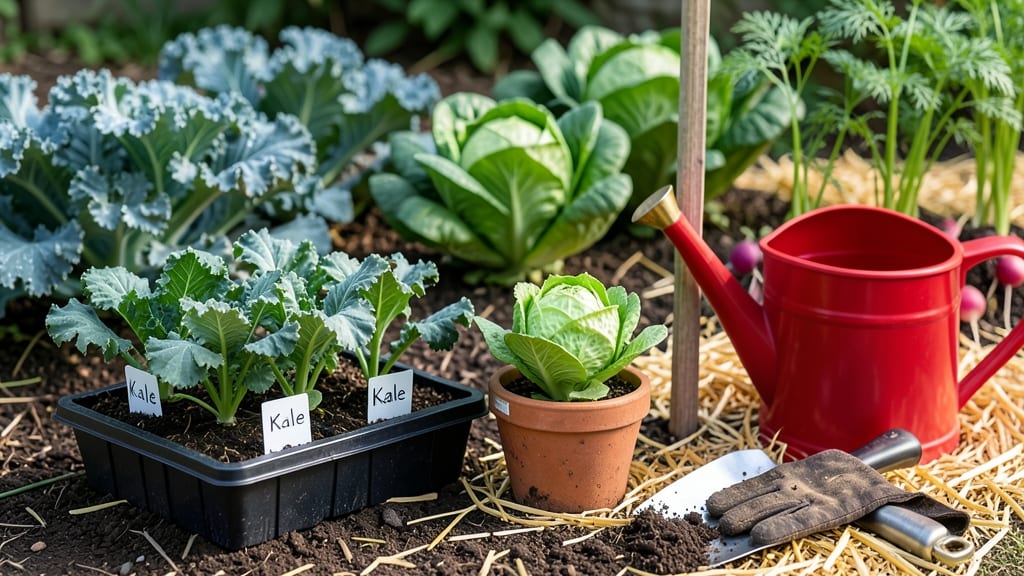
For hardy crops like broccoli and kale, aim for 8 to 12 weeks before frost (late August to early September). These plants need time to establish roots before temperatures dip below 40°F.
Meanwhile, tender crops such as basil or beans should go in 4 to 6 weeks before frost (early to mid-September) to avoid bolting or stunting.
Soil temperature is just as critical as air temperature. Most fall crops thrive when soil stays between 60°F and 75°F. In Houston, soil cools gradually in September, making it ideal for transplanting seedlings. Use a soil thermometer to confirm readiness—wait until readings drop below 80°F for sensitive greens.
🌱 Houston Fall Planting Timeline by Crop Type
| Crop Type | Weeks Before Frost | Planting Window | Soil Temp Threshold | Notes |
|---|---|---|---|---|
| Cool-Season Greens (kale, spinach, lettuce) | 8-12 weeks | Late August - Early September | 60°F - 75°F | Direct sow or transplant seedlings. |
| Root Vegetables (carrots, beets, radishes) | 6-10 weeks | Early September - Mid-September | 65°F - 80°F | Loosen soil to prevent forking. |
| Brassicas (broccoli, cabbage, collards) | 8-12 weeks | Late August - Early September | 60°F - 70°F | Use row covers for early frost protection. |
| Heat-Tolerant Greens (swiss chard, malabar spinach) | 4-6 weeks | Mid-September - Late September | 70°F - 85°F | Thrives in Houston’s lingering heat. |
| Tomatoes & Peppers (late-season varieties) | 4-6 weeks | Late August - Early September | 70°F+ | Choose fast-maturing varieties like 'Celebrity' tomato. |
Pro tip: Houston’s microclimates can shift planting windows by weeks. Urban areas with concrete heat retention may delay frost by 1-2 weeks, while suburban yards with more shade might see earlier cold snaps. Monitor local frost alerts from the National Weather Service and adjust your timeline accordingly.
If you’re starting from seed, begin indoor seedlings 4-6 weeks before transplanting outdoors. Use grow lights to simulate 14-16 hours of daylight since fall days shorten rapidly. Harden off seedlings by exposing them to outdoor conditions for 1-2 hours daily the week before transplanting to reduce shock.
For succession planting, sow fast-growing crops like radishes or lettuce every 2 weeks from September through October. This ensures a continuous harvest until the first frost. Space seeds according to mature plant size—crowding stresses roots and invites disease in Houston’s humid air.
Don’t overlook soil preparation. Amend beds with compost or aged manure 4-6 weeks before planting to improve drainage and fertility. Houston’s clay soil can compact easily, so mix in sand or perlite if your garden feels heavy.
A pH test (aim for 6.0-7.0) ensures nutrients are available for fall crops.
Finally, protect your investment with row covers or cold frames if frost threatens early. These extend the season by 2-4 weeks, letting you harvest spinach or kale until December. Just remove covers during the day to prevent overheating in Houston’s unpredictable fall weather.
With these exact planting windows, you’ll avoid the common pitfalls of bolting greens or stunted roots. Houston’s fall garden rewards precision—but the payoff is crisp, homegrown harvests when store-bought options fade.
How to adjust your planting schedule for Houston’s unpredictable weather patterns
Houston’s fall gardening season isn’t just about avoiding frost—it’s about outsmarting the city’s unpredictable weather. Late summer heat spikes can linger into September, while sudden cold snaps might sneak in by October.
Even tropical storms can disrupt your planting rhythm, making flexibility your best tool. The key is understanding how to adjust planting windows based on microclimates and real-time conditions.
Urban Houston areas often stay 2-3°F warmer than suburban zones due to the heat island effect. If you’re in a concrete-heavy neighborhood, opt for heat-tolerant varieties like malabar spinach or Okra and plant them 2 weeks earlier than the average schedule.
Meanwhile, suburban gardeners with more shade can push cool-season crops like kale or broccoli until mid-October without risk.
Houston’s first frost average (Nov 20) is unreliable—some years see frost by mid-October, while others stay frost-free until December. Plant fast-maturing varieties (50-60 days to harvest) to hedge your bets. Use frost warning alerts (like the National Weather Service) to trigger protective measures like row covers or mulching.
🌡️ Pro Tip: Monitor soil temperatures—keep them above 60°F for seed germination.
Mulching is your secret weapon against Houston’s temperature swings. Apply a 3-inch layer of straw or wood chips around plants to insulate roots during day-to-day fluctuations. For extra protection, use black plastic mulch on heat-loving crops like peppers or eggplants planted in early September.
This trick can extend the growing season by 2-3 weeks by trapping warmth while suppressing weeds.
Don’t overlook the power of companion planting to mitigate risks. Pair broccoli or cabbage with dill or radishes—the radishes act as frost indicators. When they bolt (sprout flowers) due to cold, it’s time to cover your brassicas or harvest quickly.
Similarly, marigolds planted near tomatoes can repel pests that thrive in Houston’s damp fall air.
For container gardeners, move pots to sheltered spots when nighttime temps drop below 50°F. Group containers together to create a microclimate that retains heat. Avoid placing them near AC units or drafty areas, which can cause temperature shock.
If a frost warning hits, drape frost cloth over pots—it’s lighter than row covers and lets light penetrate.
Finally, keep a fall planting journal to track what works in your specific Houston zone. Note which varieties thrived, when you adjusted planting dates, and how weather disruptions affected your garden.
Over time, you’ll refine your schedule to beat Houston’s chaos and enjoy harvests well into December. 🌱