
Plants
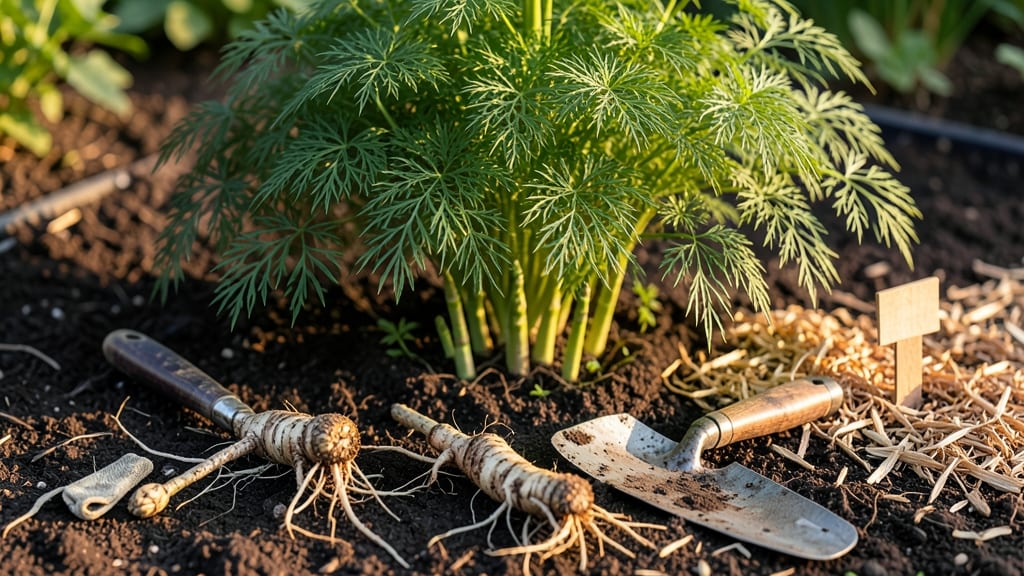
Planting asparagus in Michigan might seem tricky with its unpredictable springs, but getting the timing right is the key to a bountiful harvest for years to come.
The 5b-6b climate zones mean you can actually start as early as late March—when the soil warms enough to work but before the last frost bites. This cold-hardy perennial thrives when planted right, and Michigan gardeners often see their first spears by late May, making the wait totally worth it.
Most experts recommend planting 1-year-old crowns in early spring, just as the ground becomes workable, but there’s a strategy for fall planting too if you’re in a warmer microclimate. The secret? Focus on soil prep first—well-drained, compost-rich earth is non-negotiable for these deep-rooted plants.
Whether you’re in the Upper Peninsula or southern Michigan, spacing crowns 12-18 inches apart and burying them 6-8 inches deep sets the stage for strong roots.
What many gardeners overlook is how Michigan’s frost dates influence planting. While early spring is ideal, some regions benefit from a late fall planting (September-October) to establish roots before winter. The goal is always the same: give your asparagus a head start before the real growing season kicks in.
With the right timing, you’ll be enjoying fresh, homegrown spears in just a couple of years.
Ready to dive in? I’ll walk you through the exact steps—from soil prep to frost protection—to ensure your asparagus thrives in Michigan’s unique climate. Let’s get those crowns in the ground and set up a harvest that’ll last for decades.
Optimal planting windows for asparagus in Michigan’s zones
Michigan’s USDA Zones 4-6 create unique challenges—and opportunities—for growing asparagus. Unlike heat-loving crops, asparagus thrives in cooler climates, but timing is everything to avoid frost damage or stunted growth.
The key? Planting crowns in early spring (March-April) when soil temperatures reach 50°F (10°C), or in fall (September-October) for a head start on root establishment.
For most of Michigan, spring planting is ideal because it allows crowns to establish roots before summer heat. However, gardeners in Zone 4 (Upper Peninsula) may opt for fall planting to take advantage of cooler soils.
The last frost date (typically mid-April in southern Michigan, May in the north) dictates your window—plant 2-4 weeks before to ensure roots settle before warmth arrives.
Here’s the golden rule: Avoid planting asparagus after June 1, as new crowns need 60-90 days to root before winter. Fall-planted crowns should go in 8-10 weeks before first frost (aim for September 1-15 in most regions).
🌱
| Zone | Best Planting Window | Soil Temp Goal | Key Consideration |
|---|---|---|---|
| 4 (Upper Peninsula) | Fall (Sept 1-15) or Spring (May 1-15) | 50°F (10°C) | Shorter growing season; fall planting reduces spring frost risk |
| 5 (Northern Lower) | Spring (March 15-April 15) | 50°F (10°C) | Avoid late frosts; mulch heavily after planting |
| 6 (Southern Michigan) | Spring (March 1-April 1) or Fall (Sept 15-Oct 1) | 50°F (10°C) | Longer season; spring planting preferred for faster harvest |
| All Zones | Never after June 1 | N/A | Crowns need root time before winter dormancy |
If you’re planting in fall, choose 1-year-old crowns (not seeds) for faster establishment. The goal is to let roots grow 4-6 inches deep before winter sets in.
In spring, wait until soil warms to 50°F (10°C)—stick your finger in: if it feels cool but not icy, it’s ready.
Pro tip: Use a soil thermometer to track temps. In Zone 4, aim for September 1-15 for fall planting, while Zone 6 gardeners can push to October 1. The Upper Peninsula’s shorter season makes fall planting especially advantageous.
For container growing, plant in late spring (May) to avoid root-bound issues before winter. Containers warm up faster in spring, so monitor soil moisture closely—drought stress in young crowns leads to poor yields.
🌿
Remember: Asparagus is a perennial, meaning it’ll produce for 15-20 years if planted correctly. Rushing the timeline—like planting too early in cold soil—can set your crop back for years. Patience pays off with juicy, tender spears starting as early as Year 2 (though full harvest takes 3 years).
📅
Optimal planting windows for asparagus in Michigan’s zones
Michigan’s USDA zones 5b-6b create a unique window for planting asparagus, where timing directly impacts your first harvest. The ideal planting window is early spring—typically late March to mid-April—when soil temperatures reach 50°F (10°C) but before the last frost (usually around April 15).
This cold-hardy perennial can also tolerate fall planting in September-October for regions with milder microclimates, like southern Michigan.
For most of Michigan, spring planting is the safest bet. The crowns need 4-6 weeks to establish roots before summer heat arrives. If you’re in the Upper Peninsula (Zone 4-5), delay until mid-April to avoid late frosts damaging tender new shoots.
Meanwhile, gardeners in southern Michigan (Zone 6a) can start as early as late February in a greenhouse or cold frame for a head start.
Here’s how Michigan’s frost dates influence your planting strategy:
| Region | USDA Zone | Best Planting Window | Frost Risk |
|---|---|---|---|
| Upper Peninsula | 4b-5a | Mid-April to early May | High late frosts |
| Northern Lower Peninsula | 5b-6a | Late March to mid-April | Moderate late frosts |
| Southern Michigan | 6a-6b | Late February to early April | Low late frosts |
Fall planting is an option in southern Michigan (Zones 6a-6b) from September to early October, allowing crowns to establish roots before winter dormancy. However, avoid fall planting in colder zones, as the crowns may not have enough time to root before the ground freezes.
If you choose this method, mulch heavily with 4-6 inches of straw to insulate the soil and protect emerging shoots in early spring.
Pro tip: Use a soil thermometer to confirm soil temps are above 50°F (10°C) before planting. Cold soil slows root growth, delaying your first harvest by a full season. Michigan’s variable climate means checking local frost dates—available through Michigan State University Extension—is non-negotiable for success.
Once planted, asparagus crowns take 2-3 years to reach full production, but the wait is worth it. With the right timing, you’ll enjoy 15-25 years of harvests from a single planting—making Michigan’s chilly springs the perfect setup for this hardy perennial.