
Plants
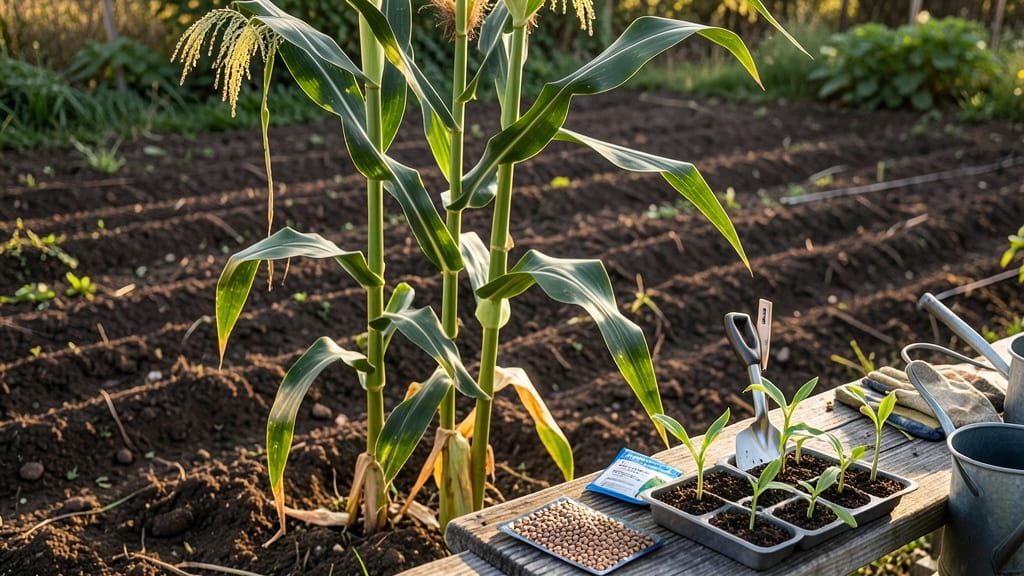
Planting corn in California isn’t one-size-fits-all—get the timing wrong, and you might end up with stunted 🌽 or even no harvest at all. Whether you're in frost-free coastal San Diego or the warmer inland valleys of Sacramento, the right window makes all the difference for sweet, plump ears.
I’ve grown corn across 9a-10b zones, and the key is knowing when soil warms enough to support fast germination. Coastal areas can start as early as February, while inland valleys often wait until March or April to avoid cold snaps. Let’s break down the exact schedule for your region.
You’ll also discover how to adjust for microclimates—like using black plastic mulch to warm soil faster in cooler spots. We’ll cover everything from soil temperature checks to choosing the right varieties for your area, so you can maximize your yield without guesswork.
Ready to grow corn that rivals your favorite farm stand? Let’s dive into the perfect planting times and pro tips that’ll have your garden thriving this spring.
California corn planting calendar by region: best months for sweet and field corn
Corn thrives in California’s warm climate, but timing varies dramatically between regions. Coastal areas like San Diego and Santa Barbara can plant as early as February, while inland valleys like Sacramento and Fresno should wait until March or April when soil warms.
Desert regions like Palm Springs can even extend planting into May for late-season harvests.
Sweet corn varieties like Silver Queen and Peaches & Cream need 75–110 days to mature, while field corn (e.g., dent corn) takes 90–120 days. Planting too early in cold soils (below 60°F) risks rot, while late planting may lead to poor pollination during summer heat.
Here’s your region-specific breakdown:
| Region | Best Planting Months | Soil Temp Requirement | Key Varieties | Harvest Window |
|---|---|---|---|---|
| Northern CA (e.g., Sacramento Valley) | March–April | 60–65°F (15–18°C) | Silver Queen, Country Gentleman | August–October |
| Central CA (e.g., San Joaquin Valley) | Late March–April | 60–65°F (15–18°C) | Peaches & Cream, Bodacious | July–September |
| Coastal CA (e.g., Los Angeles, San Diego) | February–March | 55–60°F (13–15°C) | Golden Bantam, Honey & Pearl | June–August |
| Desert CA (e.g., Palm Springs, Coachella) | April–May | 65–70°F (18–21°C) | Early Sunglow, Sugar Buns | September–October |
For high-elevation areas (e.g., Sierra foothills), delay planting until mid-April to avoid late spring frosts, even though they’re rare. Use black plastic mulch to warm soil faster in these cooler zones.
If you’re in Zone 10b (e.g., San Diego), you can even squeeze in a fall planting in September for a winter harvest, though yields may be smaller.
Pro tip: Check your local USDA Plant Hardiness Zone and last frost date (even if frost is rare). Inland valleys like Bakersfield can experience 32°F nights in December, so protect young plants with row covers if planting late.
Coastal areas rarely drop below 40°F, making them ideal for early starts.
Sweet corn planted in March in Sacramento will typically harvest in August, while May plantings in Palm Springs yield ears in October. Succession planting every 2–3 weeks ensures a continuous harvest.
For example, plant one row in March, another in April, and a final row in May to stretch your harvest season.
Field corn (used for animal feed or grinding) follows similar timing but prioritizes drought tolerance. Varieties like Pioneer 33B48 thrive in inland heat and can handle less frequent watering once established.
If you’re growing corn for silage, aim for late June plantings in Northern CA to maximize stalk growth before winter.
Always monitor soil moisture during germination—corn seeds need consistent dampness to sprout. In sandy soils (common in Central Coast regions), water lightly every 2–3 days until seedlings emerge. Once plants reach 6 inches tall, deep water 1–2 inches per week to encourage strong root development.
🌽
How to adjust corn planting dates for soil temperature and microclimates
California’s microclimates can shift corn planting windows by weeks, even just miles apart. In the Sacramento Valley, soil warms quickly by March 15, but coastal areas like Santa Cruz may need to wait until April 1 to avoid cold snaps.
The key? Soil temperature—not just air temperature—dictates when to plant.
Use a soil thermometer ($10 at garden centers) to check depth at 4 inches. Corn seeds need 60°F (15°C) soil to germinate reliably.
In high-desert areas like Ridgecrest, this might mean planting by April 15, while Los Angeles gardeners can start as early as February 20 with black plastic mulch.
For high-elevation zones (e.g., Sierra foothills at 3,000 ft), delay planting until May 1 to avoid late frosts. Use the USDA Plant Hardiness Zone Map as a baseline, but local weather patterns often override it.
For example, San Francisco’s marine layer can keep soils cool until April 10, while Bakersfield’s desert heat allows planting by March 1.
If your spring is unusually late (like 2023’s cold snap), start seeds indoors 2–3 weeks before your target outdoor date. Use biodegradable pots to transplant seedlings without disturbing roots.
For direct sowing, plant 1 inch deep, 12 inches apart, and thin to 18 inches when plants reach 6 inches tall.
Early heatwaves? Mulch heavily with straw to retain moisture and cool roots. In Southern California deserts (e.g., Palm Springs), shade cloth can protect seedlings from 90°F+ air temperatures until plants establish. Always prioritize consistent moisture—corn wilts faster than you think in dry inland soils.
Pro tip: Plant in blocks, not rows, to improve pollination. For sweet corn varieties like Peaches & Cream, stagger plantings every 2 weeks for a continuous harvest from July to September.
And remember—patience pays off. Rushing planting dates in cooler microclimates often leads to poor germination or blight.