
Plants
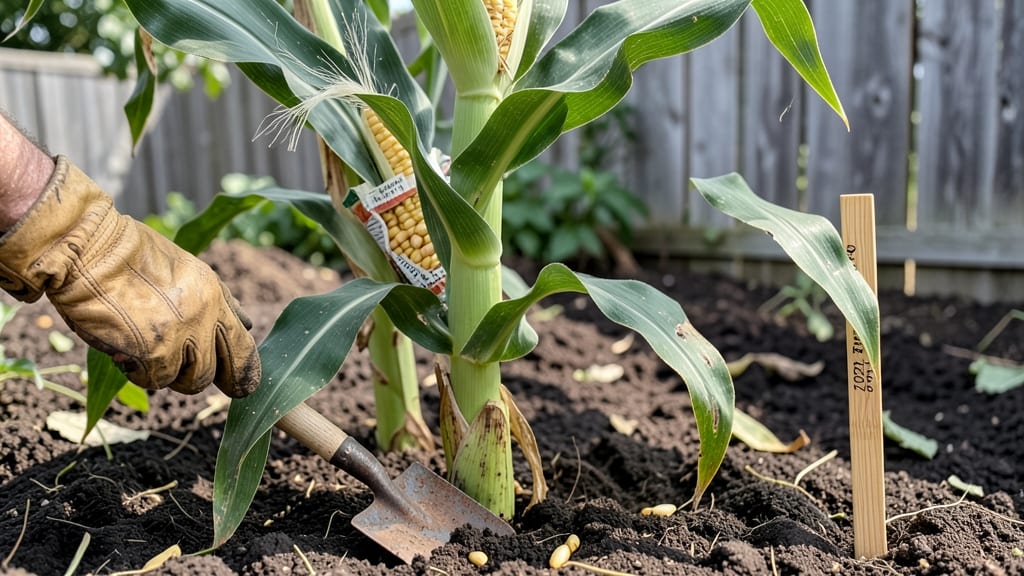
Planting corn in Pennsylvania at the wrong time could leave you with stunted plants or a total crop failure—so getting the timing right is everything.
With USDA zones ranging from 5b to 7a, your local frost dates and soil temperatures make all the difference between a thriving 🌽 harvest and wasted effort.
The ideal window for planting corn in Pennsylvania runs from mid-April to mid-May, once the soil has warmed to at least 60°F and the last frost has passed.
But even then, choosing the right variety for your zone ensures you avoid early frosts or late-season heat stress that can ruin your crop.
Whether you're growing sweet corn for summer meals or field corn for livestock, understanding your specific region's frost-free period is key. I'll break down the exact planting dates for each zone, plus pro tips to extend your growing season and pick the best varieties for Pennsylvania's climate.
Let's dive into how to time your corn planting perfectly—so you can enjoy a bumper crop from late July through early October.
Pennsylvania corn planting dates by hardiness zone (USDA 5a-7a)
Pennsylvania’s diverse climate means corn planting dates vary dramatically between USDA zones 5a-7a. In northern PA (5a-6a), like Erie, you’ll need to wait until late May for safety, while southern PA (7a), near Philadelphia, can start as early as mid-April.
The key is planting after your average last frost date—and ensuring soil stays above 55°F for germination.
Corn is a warm-season crop that hates frost, so timing is everything. A late frost can kill seedlings or stunt growth, while planting too late risks immature ears before fall frosts. Pennsylvania’s 165 frost-free days create a tight window—usually April 15 to June 1—for successful harvests.
Here’s how to align your planting with Pennsylvania’s regional frost patterns:
| Zone & Region | Last Frost Date | Ideal Planting Window | Soil Temp. Goal | Maturity Zone Note |
|---|---|---|---|---|
| USDA 5a (Erie, State College) | May 10–15 | May 15–June 1 | 55°F+ (13°C) | Use early-maturing varieties (60–75 days) |
| USDA 6a (Pittsburgh, Harrisburg) | April 25–May 5 | May 1–May 20 | 60°F+ (16°C) | Mid-season (75–90 days) works best |
| USDA 7a (Philadelphia, Reading) | April 10–20 | April 15–May 10 | 58°F+ (14°C) | Late varieties (90–110 days) can succeed |
| All Zones | N/A | Never plant before soil warms to 55°F+ | Use a soil thermometer | Succession plant every 2 weeks for continuous harvests |
For Pittsburgh gardeners in zone 6a, aim for May 1–15—this aligns with the city’s average last frost date of April 25. If you’re in Erie (zone 5a), wait until May 15 to avoid late frosts that can damage tender seedlings.
Meanwhile, Philadelphia gardeners can push planting to April 15 for early varieties.
Corn’s growth speed depends on daylength and temperature. In Pennsylvania, ear development slows below 70°F, so late-planted corn may not mature before fall frosts. To maximize yield, choose varieties with maturity dates that match your zone’s frost-free window.
For example, ‘Ambrosia’ (80 days) thrives in southern PA, while ‘Golden Bantam’ (65 days) is ideal for northern zones.
Pro tip: Use black plastic mulch to warm soil faster and extend your planting window by 1–2 weeks. This is especially helpful in cooler zones (5a-6a) where soil takes longer to reach 55°F. Just lay the mulch 1–2 weeks before planting to let it heat up the ground.
If you’re succession planting, space out sowings every 2 weeks for a continuous harvest. This works best in southern PA (zone 7a), where the growing season is longer. For northern regions, limit to 2 plantings to avoid overcrowded stalks and poor ear development.
Always check your local frost dates using resources like the Penn State Extension or <
Best corn varieties for Pennsylvania’s climate & when to plant them
Choosing the right corn variety for Pennsylvania’s climate is just as important as timing your planting. With USDA zones 5b-7a, you’ll need varieties that mature quickly enough to avoid early frosts while thriving in summer heat.
Sweet corn, field corn, and popcorn all have ideal planting windows and maturity ranges tailored to PA’s growing season.
For northern PA (zones 5b-6a), opt for early-maturing varieties like 'Silver Queen' (65 days) or 'Peaches and Cream' (70 days). These can handle cooler soils and shorter seasons.
In southern PA (zones 6b-7a), heat-tolerant varieties like 'Ambrosia' (80 days) or 'Bodacious' (90 days) perform best, withstanding higher summer temperatures.
🌽 Planting windows vary slightly by variety: Early-maturing types can go in as soon as soil reaches 55°F (late April), while late varieties need warmer 65°F+ soil (early May). Always check seed packets for days to maturity and count backward from your first frost date (typically mid-October).
| Variety | Type | Days to Maturity | Best Planting Window | Zone Fit |
|---|---|---|---|---|
| Silver Queen | Sweet Corn | 65 days | Late April - early May | 5b-6a |
| Ambrosia | Sweet Corn | 80 days | Early May | 6b-7a |
| Country Gentleman | Field Corn | 110 days | Mid-May | All zones |
| Stowell's Evergreen | Popcorn | 90 days | Early May | 6a-7a |
If you're in zone 7a (southern PA), consider succession planting with varieties like 'Peaches and Cream' (70 days) and 'Golden Bantam' (75 days). Plant the first batch in early May and follow with another 2 weeks later for a staggered harvest through September.
For field corn or popcorn, which have longer maturity times (90-120 days), prioritize warmer soil temperatures (65°F+) and plant no later than mid-May. These varieties need the full growing season to reach maturity before frost hits.
Always check your local frost dates—Pittsburgh’s last frost is typically April 20, while Philadelphia’s is April 15.
Pro tip: If you're unsure about your exact last frost date, use row covers to extend your planting window by 2-3 weeks in spring. This lets you plant heat-loving varieties like 'Bodacious' even in cooler zones.