
Plants
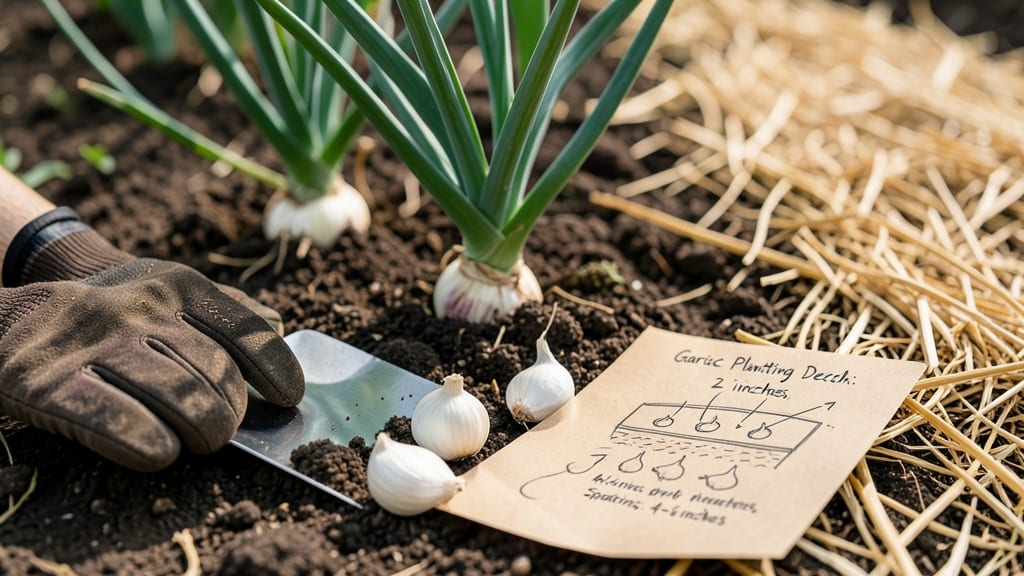
Timing your 🧄 garlic planting in Illinois isn't just about throwing cloves into the ground—it's the difference between a harvest of plump, flavorful bulbs and a disappointing flop. The fall window (October-November) is critical, but getting it wrong means your garlic might bolt in summer heat or rot before harvest.
Here's the secret: Planting 4–6 weeks before your first hard frost (usually mid-November in zones 5–6) gives garlic the cold it needs to root deeply while avoiding winter's harshest freeze. In Illinois, that means action between late October and early November—no room for guesswork.
I'll walk you through exact deadlines for your specific zone, soil prep tricks to speed up rooting, and how to adjust if your frost comes early or late. Whether you're in Chicago's urban gardens or rural farmland, these steps ensure your garlic survives winter and thrives come summer.
Ready to grow garlic that rivals store-bought? Let's dive into the zero-frost planting strategy that works for Illinois gardeners—no matter your experience level.
Illinois garlic planting deadlines by hardiness Zone (with exact dates)
Illinois spans USDA Zones 5-6, but garlic planting deadlines vary by region. In northern Illinois (Zone 5), like Chicago, aim to plant by October 15—any later risks frost damage before roots establish.
For central and southern Illinois (Zone 6), including St. Louis, you’ve got until November 1, but don’t wait too long!
The key is planting 4-6 weeks before the ground freezes. In Zone 5, that’s typically mid-October to early November, while Zone 6 gardeners can push it to late October to mid-November. Rural areas often have earlier frosts than cities, so adjust accordingly.
Missed the fall window? You can still plant garlic in early spring (March), but yields will be smaller and bulbs less robust. Fall-planted garlic gets a head start on growth, making it the preferred method for Illinois gardeners.
🌱
| Zone | Planting Window | Last Safe Date | Example Cities |
|---|---|---|---|
| Zone 5 (Northern IL) | Mid-October to early November | October 15 | Chicago, Rockford, DeKalb |
| Zone 5b (Central IL) | Late October to early November | October 25 | Peoria, Springfield |
| Zone 6 (Southern IL) | Late October to mid-November | November 1 | St. Louis, Carbondale |
🌱 Pro Tip: Check your local first frost date (e.g., November 15 in most of IL) and plant 4-6 weeks before.
For hardneck varieties, like 'German White' or 'Music', stick to the earlier window (October). These need cold stratification to form bulbs, so planting late can reduce scapes (the prized flower stalks). Softneck varieties, like 'Silverskin', are more forgiving and can handle later plantings (November).
If you’re in Zone 5 and experience an early frost (before October 15), opt for hardier varieties like 'Chesnok Red' or 'Inchelium Red'. These tolerate colder soils and still produce decent yields even with a shorter growing season.
Use a soil thermometer to confirm soil temps are below 50°F before planting. If temps hover around 40-45°F, your garlic is safe from frost damage while roots establish. Mulch with straw or leaves after planting to insulate bulbs over winter.
🌿
How to time garlic planting for zero-frost success in Illinois
Timing your garlic planting in Illinois isn’t about guessing—it’s about understanding your frost dates and soil temperatures. The goal? Plant 4–6 weeks before the ground freezes, so roots establish before winter sets in.
In most of Illinois (zones 5–6), that means late October to early November, but your exact window depends on whether you’re in Chicago’s urban heat islands or rural farmland.
I’ve learned the hard way that planting too early (like September) can lead to bolting—when garlic shoots up flowers instead of bulbs—while planting too late (December) risks rot if the ground stays warm.
The key is soil temperature: Aim for 40–50°F at planting time. Use a soil thermometer to check—if it’s above 50°F, wait a week or two.
Here’s my zero-frost strategy for Illinois gardeners: Start by checking your average first frost date (use the Old Farmer’s Almanac or your local Cooperative Extension office). Then, count backward 6 weeks—that’s your planting deadline.
For example, if your frost is November 15th, plant by October 1st. Adjust for microclimates: South-facing slopes warm up faster, so plant them 1–2 weeks earlier.
What if you miss the window? Don’t panic—spring planting is possible, but yields will be 50% smaller. If you plant in March or April, use smaller cloves (they establish faster) and mulch heavily to retain moisture. Just know: Fall-planted garlic always wins for size and flavor.
Pro tip: Mark your planting date on a calendar and set a reminder for harvest time (mid-July to August). Illinois summers can be hot and dry, so water deeply once a week during droughts.
Avoid overhead watering—damp leaves invite fungus. Instead, use a soaker hose or drip irrigation to keep bulbs healthy.
Remember: The earlier you plant within your window, the larger your bulbs will grow. But don’t rush—well-established roots before winter mean zero-frost success. With this timing strategy, you’ll harvest plump, flavorful garlic that’ll make your neighbors jealous.