
Plants
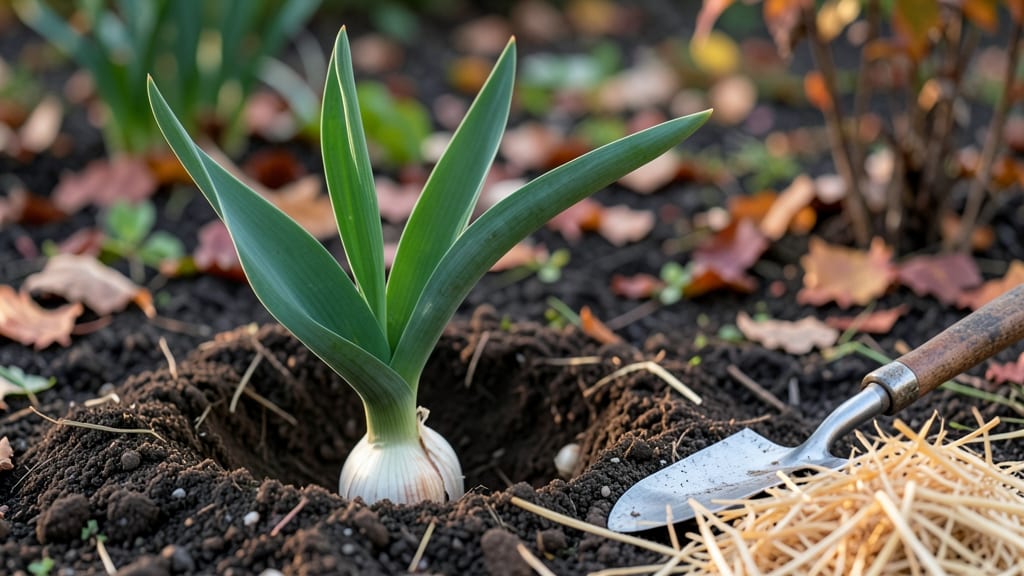
If you're growing 🧄 garlic in Zone 6, timing your fall planting could mean the difference between a bumper crop and a disappointing harvest. The key to strong, flavorful bulbs lies in planting between October and November, but getting it wrong can leave your garlic struggling through winter.
Zone 6's chilly winters and variable frost dates make this timing especially critical. Plant too early, and your garlic might bolt before winter sets in. Too late, and the cold ground could stunt root development, leading to small, weak bulbs by next summer.
The secret is finding that sweet spot where your soil is cool but workable.
In this guide, I'll break down exactly when to plant garlic in your specific Zone 6 microclimate, whether you're dealing with early frosts in 6a or slightly milder conditions in 6b. You'll learn how to read your soil's temperature cues and adjust your planting schedule for maximum success.
Plus, I'll share my top tips for preparing your soil and protecting your garlic through winter—so you can look forward to harvesting plump, paper-skinned bulbs come late summer. Let's get your garlic off to the best possible start!
Zone 6 garlic planting deadlines: exact fall timing by variety
Garlic thrives in Zone 6’s cool fall temperatures, but planting too early or late disrupts bulb development. The ideal window is 4-6 weeks before the ground freezes, typically between mid-October and early November. This timing ensures roots establish before winter dormancy while avoiding spring planting risks.
Hardneck varieties (like ‘Music’ or ‘German White’) need cold stratification for scape production, so plant them earlier in October. Softneck varieties (such as ‘Silverskin’ or ‘Artichoke’) tolerate later planting—aim for late October to November—since they store better without cold requirements.
Soil temperature is your best guide: plant when it drops to 40-50°F. Use a soil thermometer or check local frost dates—Zone 6’s average last frost is November 15, but microclimates vary. Mountain regions may need earlier planting, while urban areas can wait slightly longer.
Missed the fall window? Spring planting is possible but yields smaller bulbs. Plant in March when soil reaches 50°F, but expect harvests 30-50% smaller than fall-planted garlic. Prioritize hardnecks for spring—they tolerate warmer soils better than softnecks.
🌱 Zone 6 Garlic Planting Comparison
| Variety Type | Ideal Planting Window | Soil Temp Threshold | Notes |
|---|---|---|---|
| Hardneck (e.g., Rocambole, Purple Stripe) | Mid-October to late October | 40-50°F | Needs cold for scapes; plant early |
| Softneck (e.g., Silverskin, Artichoke) | Late October to early November | 45-50°F | Stores longer; tolerate later dates |
| Spring Planting (Hardneck Only) | Early March | 50°F+ | Smaller bulbs; avoid softnecks |
For precise timing, track your historical frost dates. Use the National Weather Service or local cooperative extension service for your specific county. In Zone 6a (colder), aim for October 15; in Zone 6b (warmer), stretch to November 1.
Prepare your soil by amending with compost or aged manure to improve drainage—garlic hates soggy roots. Work in 1-2 inches of compost and a balanced fertilizer (5-10-10) at planting. Avoid fresh manure, which can burn cloves and delay growth.
Plant cloves 2 inches deep, pointed end up, with 4-6 inches between plants. Space rows 12-18 inches apart to allow airflow and reduce disease. Use a straw mulch (4-6 inches) immediately after planting to insulate roots and retain moisture through winter.
After planting, water deeply once to settle soil around cloves. Resume watering in spring (March-April) when shoots emerge. Avoid overwatering—garlic needs moderate moisture, not soggy conditions, which invite rot.
Monitor for premature sprouting in warm falls. If cloves sprout before soil cools, delay planting until temperatures drop or plant in shaded beds to slow growth. Stunted sprouts indicate planting too late—adjust next year’s timeline accordingly.
🌱 Remember: Garlic planted in fall develops larger bulbs because it undergoes vernalization (cold treatment) over winter. Spring-planted garlic skips this process, resulting in smaller, pungent bulbs—great for cooking but not ideal for storage.
Zone 6 garlic planting deadlines: exact fall timing by variety
In Zone 6, your garlic's success hinges on planting between 4-6 weeks before the ground freezes. For most of the region, this means aiming for mid-October to early November, but your exact deadline depends on whether you're in Zone 6a (colder) or 6b (milder).
The goal is to give your garlic roots time to establish before winter dormancy sets in.
Hardneck varieties like Rocky Mountain or German White need slightly earlier planting (late September to mid-October) because they develop scapes and bulbs faster. Softneck varieties like Silverskin can handle later planting (October to early November) since they focus more on bulb development.
Always check your last frost date—Zone 6a typically freezes by November 15, while 6b may hold off until November 30.
| Variety Type | Ideal Planting Window | Soil Temp Threshold | Zone 6a Deadline | Zone 6b Deadline |
|---|---|---|---|---|
| Hardneck (e.g., Rocambole, Purple Stripe) | Late September - Mid-October | 40-50°F | October 15 | October 30 |
| Softneck (e.g., Artichoke, Silverskin) | October - Early November | 45-55°F | November 1 | November 15 |
| Elephant Garlic (Giant Softneck) | Mid-October - Late October | 42-50°F | October 20 | November 1 |
🌱 Pro Tip: Use a soil thermometer to confirm temps—planting when soil hits 50°F ensures roots establish before freezing.
Your local microclimate matters more than your official Zone 6 designation. If you live in a valley or low-lying area, frost arrives earlier—plant by mid-October. Higher elevations or northern exposures?
Wait until late October. Always test your soil's readiness by pushing a garlic clove into the ground—if it resists, your soil's too hard and cold.
Never plant garlic in Zone 6 after November 15, even if your soil feels workable. The cold winter will shock young roots, leading to poor bulb formation. For late starters, consider greenhouse starter beds or row covers to extend your window by 2-3 weeks.
Spring planting is possible in Zone 6, but it yields smaller, less flavorful bulbs. If you must try it, plant in early March and harvest by June—but fall-planted garlic always wins for size and taste.
The key is patience: let winter do the work while your garlic roots grow strong underground.
For extra insurance, mark your planting date on a calendar and note when your first hard frost occurs. If you planted after November 1 in 6a or November 15 in 6b, your garlic may struggle through winter. Adjust next year's schedule accordingly!