
Plants
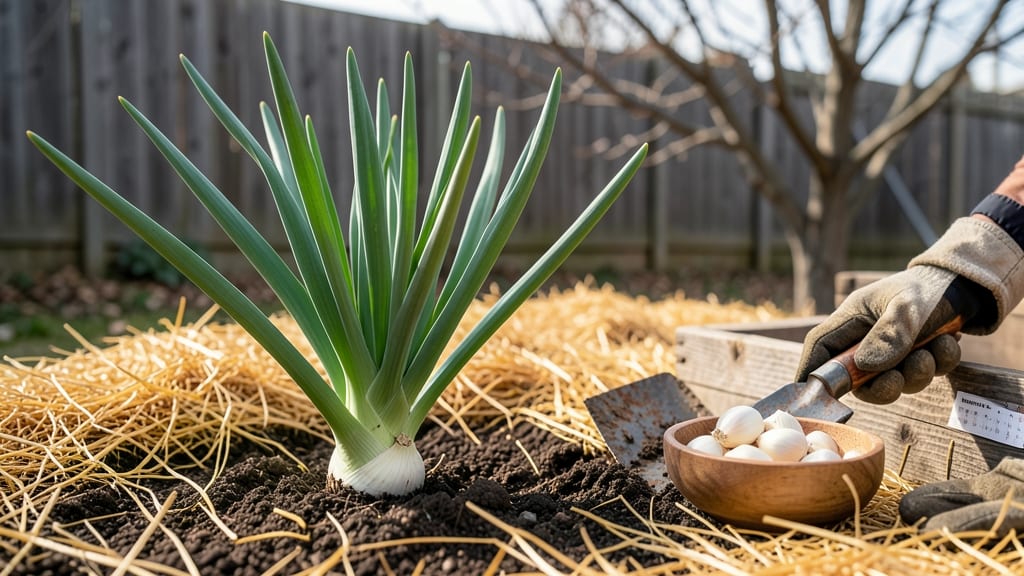
Planting garlic in Pennsylvania at the wrong time can mean the difference between a thriving crop and wasted effort—especially when you're dealing with hardneck vs. softneck varieties.
The key window for fall planting (your best bet) is October to November, but timing isn't just about the calendar—it's about syncing with Pennsylvania's USDA zones 5b-7a and avoiding early frosts.
Why does timing matter so much? Because garlic needs 4-6 weeks of cold weather before the ground freezes to form strong bulbs. Plant too early, and you risk rot; too late, and your harvest shrinks.
I'll break down exactly when to plant each type, how to prep your soil for Pennsylvania's clay-heavy conditions, and which varieties thrive in our unpredictable winters.
You might think spring planting is an option, but in Pennsylvania's short growing season, fall planting gives garlic the head start it needs. We'll cover how to select the right cloves, prepare them properly, and even troubleshoot common mistakes that derail first-time gardeners.
Let's get your garlic growing right—no guesswork, just results.
Whether you're a seasoned gardener or just starting with 🧄, this guide will help you avoid costly timing mistakes. By the end, you'll know exactly when to plant, how deep to go, and which varieties will reward you with the biggest, most flavorful harvests come summer.
Ready to grow garlic like a pro?
Best fall planting dates for garlic in Pennsylvania (hardneck vs softneck)
Pennsylvania’s USDA zones 5b-7a create a short but critical window for planting garlic—4-6 weeks before the ground freezes. For most of the state, that means mid-October to early November, but timing varies by region and garlic type.
Hardneck varieties, like ‘German White’ or ‘Music’, need this cold exposure to form bulbs, while softneck types (‘Artichoke’) are more flexible but still thrive with early planting.
In northern PA (zones 5-6), aim for October 1-15—earlier than southern regions. The goal is to let cloves establish roots before winter dormancy. If you plant too late (after November 15), bulbs may not mature fully by summer.
Use your last frost date (typically mid-April) as a guide: garlic needs 90-120 days of growth before harvest.
Here’s how to adjust for Pennsylvania’s unpredictable weather: Check soil temps—plant when they’re 40-50°F (about 2 weeks after your first frost). In southern PA (zones 6b-7a), you can push planting to late October or early November, but avoid waiting until December.
Late plantings risk rot or stunted growth due to insufficient cold vernalization.
Pro tip: Hardnecks must experience winter cold to form bulbs, while softnecks tolerate milder winters. If you’re in zone 7a (like parts of Delaware County), prioritize hardnecks for larger bulbs. Use this comparison table to pick the right timing for your variety and location.
Late October to early November (zones 6b-7a)
Why does timing matter so much? Garlic bulbs initiate growth in fall but bulk up in spring. Planting too early (e.g., September) gives cloves time to sprout and rot before winter.
Planting too late (December) delays spring growth, shrinking bulb size. Aim for a balance: roots established by winter, but no active shoot growth before frost.
For Pennsylvania-specific adjustments, account for your microclimate. Urban areas (like Philadelphia) may experience heat islands, delaying frost. Rural zones (like Erie) can see earlier freezes.
Check local Penn State Extension frost maps or use a soil thermometer to confirm readiness. If your soil stays above 50°F into November, delay planting until temps drop.
Hardnecks also produce scape flowers in spring—a sign of maturity. If you’re growing ‘Music’ or ‘Chesnok Red’, these curly stems appear in May-June and can be harvested for cooking.
Softnecks, however, focus energy on bulb development, so they won’t scape. This difference is why hardnecks are PA’s top choice for gardeners seeking both culinary and ornamental value.
One common mistake? Planting store-bought garlic (often treated to prevent sprouting). Instead, source organic, untreated seed garlic from local nurseries like Johnny’s Selected Seeds or Territorial Seed Co..
These cloves are larger, disease-free, and bred for your region’s conditions. Save money by dividing bulbs from your own harvest—just ensure cloves are plump and firm.
Finally, mark your calendar for spring maintenance. In March-April, remove mulch to let soil warm, then fertilize with 10-10-10 (1 tbsp per plant). This jumpstarts growth after winter dormancy. By June, you’ll see green shoots—a sure sign your timing paid off! 🌱
Best fall planting dates for garlic in Pennsylvania (hardneck vs softneck)
Pennsylvania’s USDA zones 5b-7a create a tight window for planting garlic—typically between mid-October and early November. This 4-6 week window before the ground freezes is critical for hardneck varieties, which need cold vernalization to form bulbs.
Softneck garlic, while more adaptable, still thrives with proper timing to avoid winter rot or poor bulb development.
For hardneck garlic (like 'Music' or 'German White'), aim to plant by November 1st in southern PA (Zone 7a) and by October 15th in northern regions (Zone 5b). Softneck varieties (like 'Silverskin') can stretch the window slightly later, but never after the first hard frost.
The key is ensuring cloves establish roots before the ground freezes solid.
Why timing matters: Planting too early risks cloves sprouting and rotting in wet soil. Planting too late means insufficient root development before winter dormancy, leading to small or weak bulbs. Pennsylvania’s unpredictable frosts make this window even more critical—check your local first frost date (typically mid-October) and count backward.
Hardneck garlic’s scapes (those curly green shoots) appear in June, signaling peak harvest time. Softneck varieties won’t produce scapes but focus on bulb development. In Pennsylvania’s climate, hardneck varieties often yield larger bulbs when planted early in the window, while softnecks benefit from slightly later plantings to avoid winter stress.
Pro tip: Use a soil thermometer to confirm ground temps are below 50°F but not frozen. In years with early frosts (like 2020’s October freeze), extend your planting into early December—just ensure cloves are covered with 4–6 inches of mulch (straw or leaves work best) to insulate them through winter.
For gardeners in Zone 6b (central PA), aim for October 20–November 10. If you miss the window, don’t despair—spring planting is possible but yields smaller bulbs. The trade-off? You’ll harvest 6–8 weeks earlier in summer, which can be a lifesaver for home cooks!