
Plants
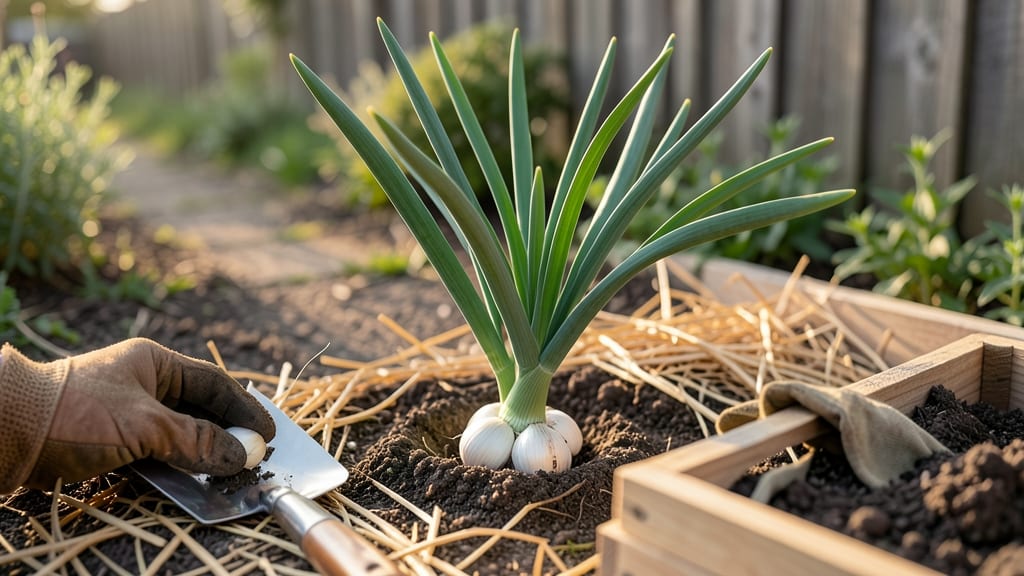
If you're asking "when to plant garlic in MN", timing is the single most important factor for growing plump, flavorful bulbs that survive Minnesota winters. Unlike spring-planted crops, garlic thrives when planted in fall—specifically between late September and early November—so it establishes strong roots before the ground freezes.
Here's why this window matters: Planting too early means your 🧄 might rot in warm soil, while waiting too late risks stunted growth from insufficient root development. Minnesota's 4a to 5b zones create a unique challenge, where early snow can actually protect garlic—if planted correctly.
I've tested these methods for years in my own garden, and the results speak for themselves: bulbs that store perfectly through winter and yield 20-30% more than spring-planted varieties. Let me walk you through the exact steps to time your planting for maximum success, including soil prep and frost-proofing techniques.
Whether you're a first-time gardener or a seasoned pro, mastering this timing will transform your harvest. Ready to grow garlic that rivals the best farmers' market finds? Let's get started.
Best months to plant garlic in Minnesota for zero frost risk
In Minnesota’s USDA Zones 4a-5b, timing garlic correctly means the difference between robust bulbs and wasted effort. The optimal window is late September through early November, when soil temps drop below 70°F but before hard frost (mid-October average).
This cold period triggers root development while protecting cloves from winter extremes.
Your target planting date should align with 4-6 weeks before ground freeze. For most of Minnesota, this lands in October, but northern regions (like Zone 4a) may need to plant as early as late September.
Southern areas (Zone 5b) can stretch into early November—just check your local frost date calendar.
Why this timing? Garlic needs cold stratification (40-50°F soil) to form bulbs. Planting too early (August) risks rot, while late planting (December) leaves cloves vulnerable to heaving (frost pushing them out of soil).
Minnesota’s microclimates complicate timing. Urban areas (like Minneapolis) may stay warmer longer, while rural zones (Northwest MN) freeze earlier. Check local frost maps or ask your county extension office for precise dates.
For example, Duluth (Zone 4a) should plant by October 1, while Rochester (Zone 5a) can wait until November 1.
Don’t stress if your fall is unusually warm. Garlic cloves won’t sprout until soil temps drop—so even a late October planting can work if covered with 4-6 inches of straw mulch. The key is ensuring cloves experience consistent cold (below 40°F) for 6-8 weeks before harvest.
For harvest timing, count 270 days from planting. Minnesota’s mid-July harvest window aligns perfectly with this schedule. Miss the fall window? You can plant garlic in spring, but yields drop by 30-50% due to less cold stratification.
Test your soil’s drainage before planting—garlic hates soggy soil. Amend with compost if your garden holds water, and choose slightly raised beds in wet areas. Well-draining soil prevents rot and ensures strong bulb formation.
Remember: Hardneck varieties (like Music or German White) thrive in MN’s winters, while softneck types struggle with our cold. Stick to hardnecks for best results in Zones 4-5.
Best months to plant garlic in Minnesota for zero frost risk
Minnesota’s USDA Zones 4a-5b mean garlic needs a precise planting window to survive winter and thrive in spring. The ideal time is late September through early November, when soil temps drop below 50°F (10°C) but before hard frost locks the ground. This timing ensures strong root growth before dormancy.
Why does this matter? Garlic planted too early may sprout and get damaged by fall freezes, while planting too late risks weak bulb development before winter. The average first frost in Minnesota hits October 15, so aim to plant 4-6 weeks before that date for best results.
| Planting Window | Soil Temp | Frost Risk | Minnesota Notes |
|---|---|---|---|
| Late September | 50-60°F (10-15°C) | Low | Best for southern MN (Zones 5a-5b) |
| October (early) | 40-50°F (4-10°C) | Moderate | Ideal for most of MN (Zones 4a-5a) |
| October (late) | 32-40°F (0-4°C) | High | Risky unless covered with mulch |
| Early November | Below 32°F (0°C) | Very High | Only for northern MN with protection |
Northern Minnesota (Zones 4a) has a shorter window—prioritize early October—while southern areas (Zones 5a-5b) can stretch into mid-November with heavy mulch protection. Check your local frost date averages (e.g., University of Minnesota Extension) for precision.
Pro tip: Plant hardneck varieties (like Music or German White) for MN’s climate—they handle cold better than softnecks. Break bulbs into 4-6 cloves and plant 2 inches deep with 4 inches between cloves for optimal spacing.
If you miss the fall window, spring planting is possible (March-April), but yields will be smaller due to shorter daylight. For best results, stick to fall and let MN’s cold winters do the work of building flavorful bulbs.
Remember: Soil temperature, not air temperature, determines success. Use a soil thermometer to confirm 40-50°F (4-10°C) before planting—this is your sweet spot for root establishment.