
Plants
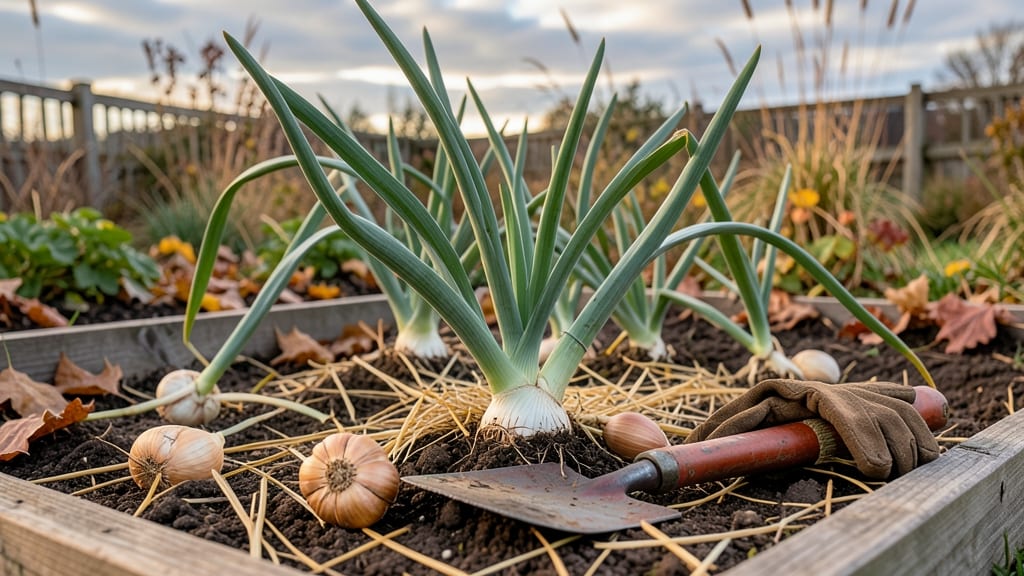
Timing your fall garlic planting correctly is the secret to growing the biggest, most flavorful bulbs—especially for hardneck varieties like those thriving in zone 6a. Miss the window, and you might end up with weak, underdeveloped cloves instead of the robust harvest you’re dreaming of.
I’ve learned the hard way that planting too early or too late can ruin your chances of a successful harvest next summer. The key is getting those cloves into the ground 4-6 weeks before the first hard frost, when soil temperatures dip but haven’t frozen solid.
For most gardeners in the U.S., that means aiming for October or early November—but your exact timing depends on where you live.
Whether you’re in the chilly Northern Hemisphere or the milder Southern Hemisphere, understanding your local frost dates is everything. In zone 6a, where I garden, that means planting between mid-October and mid-November.
But don’t worry—we’ll break down exactly how to adjust for your specific climate so you can nail the perfect moment.
Ready to grow garlic that rivals the best at the farmers’ market? Let’s dive into the best practices for planting, soil prep, and spacing to ensure your 🧄 cloves turn into prize-winning bulbs by next summer. Your flavor-packed harvest starts with this one simple step.
Fall garlic planting timeline by USDA hardiness Zones: exact months for success
Timing your garlic plant correctly in fall is the key to growing large, flavorful bulbs that survive winter. The ideal planting window is 4-6 weeks before your first hard frost, allowing roots to establish before dormancy.
For USDA Zones 3-10, this translates to October through December, but exact timing varies by region.
In northern climates (Zones 3-5), aim to plant by mid-October to ensure roots harden before winter. In warmer southern zones (Zones 6-10), you can extend planting until early December, as milder winters allow for later root development.
The goal is to give garlic 6-8 weeks of cool soil before freezing temperatures set in.
Soil temperature is critical—garlic cloves need 40-50°F soil to sprout successfully. If planted too early, they may sprout and die back before winter. If planted too late, roots won’t establish enough to survive freezing. Use a soil thermometer to confirm readiness.
Here’s how to adjust your planting schedule based on your USDA Zone and last frost date:
For Southern Hemisphere gardeners, reverse the timeline: Plant in March-April (autumn) to align with your first frost. For example, in Australia (Zones 8-10), aim for late March to ensure roots establish before winter.
If you’re unsure about your last frost date, check local weather records or use the National Weather Service website. Alternatively, use the USDA Plant Hardiness Zone Map to pinpoint your exact zone. Pro tip: Plant a test clove 2 weeks before your target date to gauge soil readiness.
Once planted, mulch heavily (4-6 inches) with straw or leaves to insulate bulbs during winter. This protects against freeze-thaw cycles and prevents heaving, where bulbs push out of the soil. In Zone 3 or colder, add extra mulch or use a cloche for added protection.
Remember, hardneck garlic (like 'Music' or 'German White') thrives in colder climates, while softneck varieties (like 'Silverskin') tolerate warmer winters. Choose your variety based on your USDA Zone and winter severity.
By following this zone-specific timeline, you’ll give your garlic the best chance to overwinter successfully and produce plump, flavorful bulbs next summer. Start planning now—your fall garlic harvest depends on it! 🧄
How to time your garlic planting for maximum yield: soil prep and moon phase tips
Timing your garlic planting isn't just about the calendar—it's also about soil conditions and even the phase of the moon. For hardneck varieties, the goal is to plant when soil temperatures drop to 50-60°F but before the ground freezes.
This window ensures roots establish before winter dormancy, setting the stage for robust bulbs next summer.
Start by testing your soil pH, which should be between 6.0 and 7.0 for optimal garlic growth. Amend clay-heavy soils with compost or aged manure to improve drainage, as garlic hates soggy roots.
A well-draining bed with organic matter will give your cloves the best start for winter survival and spring growth.
Don’t overlook the moon’s influence—planting during the rooting phase (when the moon is in Pisces, Cancer, or Scorpio) can enhance bulb development. This lunar timing aligns with the plant’s natural growth cycles, encouraging stronger root systems before winter.
Check a lunar planting calendar for your region to pinpoint the best dates.
- ✅ Test soil pH (6.0–7.0) and amend with compost if needed.
- ✅ Choose large, firm cloves from hardneck varieties like 'German White' or 'Music'.
- ✅ Plant 4-6 weeks before frost, 2 inches deep with the pointy end up.
- ✅ Space cloves 4-6 inches apart in rows 12 inches apart.
- ✅ Mulch with 4-6 inches of straw after planting to insulate roots.
After planting, water deeply to settle the soil and encourage root growth, but avoid overwatering—garlic prefers moderate moisture and can rot in waterlogged conditions. Once the ground freezes, reduce watering to prevent heaving, and let nature take its course.
Your garlic will stay dormant until spring, when it’ll burst forth with vigor.
Pro tip: Mark your garlic rows with biodegradable flags or a garden map to avoid disturbing the soil in spring. Garlic thrives on consistency, so resist the urge to fertilize until you see green shoots in early spring.
A light application of balanced fertilizer (5-10-10) at that stage will give your bulbs the nutrients they need to grow.
By combining the right soil prep, moon phase timing, and careful watering, you’ll set your garlic up for a bountiful harvest the following summer. The effort now pays off in bold, flavorful bulbs that’ll make your kitchen the envy of the neighborhood. Happy planting!