
Plants
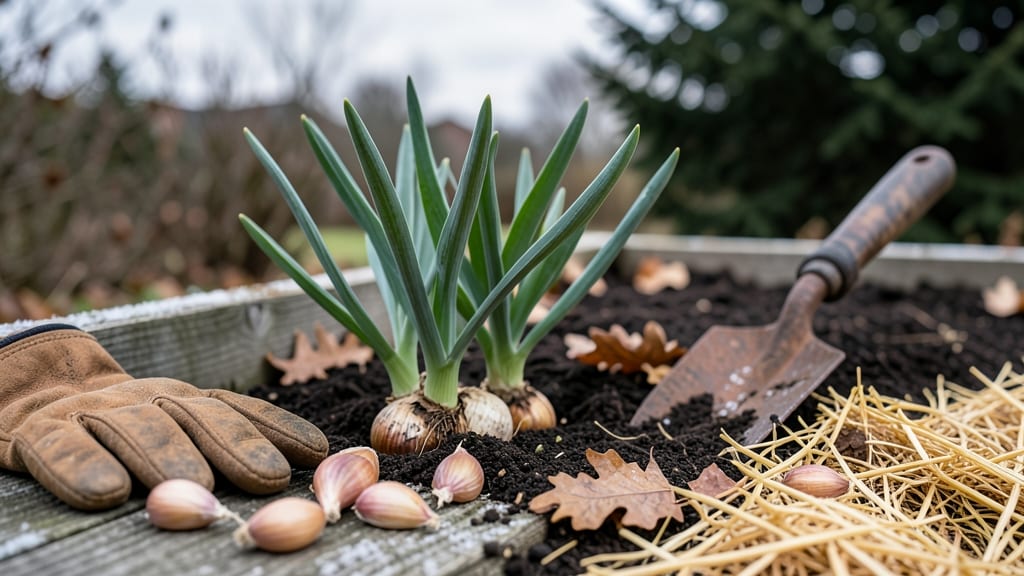
Planting garlic in Zone 5 at the wrong time can mean the difference between a bountiful harvest and wasted effort—so getting the timing right is your first (and most important) step to success.
If you've ever wondered why some gardeners swear by fall planting while others try spring, the answer lies in how 🧄 garlic responds to cold.
Zone 5's chilly winters actually work in your favor, but only if you plant at the perfect window—typically between October and November—before the ground freezes solid.
I've learned the hard way that rushing or waiting too long can lead to weak bulbs or even total failure. The key is understanding how your local climate interacts with garlic's growth cycle, from soil temperature thresholds to frost timing.
Let me walk you through exactly what to do—and when—to maximize your harvest.
Whether you're a first-time planter or a seasoned gardener looking to refine your technique, these science-backed timing tips will help you grow garlic that's plump, flavorful, and ready to harvest by mid-summer. Ready to get started?
Best planting months for garlic in Zone 5: science-backed timing
If you're growing garlic in Zone 5, timing your planting is more than just a guess—it's a science-backed strategy to ensure those prized bulbs develop properly.
The ideal window for planting hardneck garlic (the most common type for Zone 5) is 4-6 weeks before the ground freezes, typically between mid-October and November. This cold period, called vernalization, triggers bulb formation.
For softneck garlic (less common in colder climates), you can sometimes plant as late as December, but this is riskier due to frost sensitivity. The key is ensuring the soil stays above freezing for at least 6-8 weeks after planting, allowing roots to establish before winter dormancy.
Soil temperature is your best friend here. Aim for 40-50°F soil temps—too warm, and the cloves will sprout too soon; too cold, and they’ll rot. Use a soil thermometer to check if you’re unsure. Organic gardeners often plant slightly earlier (early October) to account for slower soil warming in natural systems.
Here’s the golden rule: Plant when your local frost date is 6-8 weeks away. In most of Zone 5, this lands in late October to early November. For example, in Chicago, the last frost is usually mid-November, so planting in early November works perfectly.
| Garlic Type | Best Planting Month | Soil Temp Requirement | Key Notes |
|---|---|---|---|
| Hardneck Garlic | October - November | 40-50°F | Needs cold stratification; best for Zone 5 |
| Softneck Garlic | Late October - December | 45-55°F | More frost-sensitive; riskier in Zone 5 |
| Organic Methods | Early October | 40-50°F | Plant earlier to avoid synthetic fertilizers |
Why does this timing matter? Garlic needs cold exposure to form bulbs, but it also needs active root growth before the ground freezes solid. Planting too early (like September) can lead to premature sprouting, while planting too late (December+) risks frost damage before roots establish.
In Zone 5’s shorter growing season, this window is your only shot at a great harvest.
Pro tip: If you’re using organic garlic, consider planting 2-3 weeks earlier than conventional varieties. Organic cloves often take slightly longer to establish due to soil health differences. Test your soil’s drainage first—garlic hates soggy roots, so amend with compost if needed.
One common mistake is assuming all garlic is created equal. Hardneck varieties (like Music or German Red) thrive in Zone 5’s cold, while softneck (like Silverskin) is better suited for milder climates.
Stick to hardneck for Zone 5 unless you’re willing to take risks with row covers or indoor overwintering.
Finally, don’t forget about moon phases if you’re a lunar gardener! Planting during the waning moon (after the full moon) is said to encourage root development. Check a lunar calendar for your region—this can shave off 1-2 weeks of guesswork in your timing.
With the right timing, your Zone 5 garlic will reward you with bold, flavorful bulbs ready for harvest next July or August. The secret? Plant early, but not too early, and let winter do the work for you. 🧄
Best planting months for garlic in Zone 5: science-backed timing
When planting garlic in Zone 5, timing isn't just about months—it's about soil temperatures and cold stratification. Hardneck garlic, the most popular type in this zone, needs a period of cold to form bulbs.
The ideal window is when soil temps hit 40-50°F, typically between October and November. This gives the cloves enough time to root before winter dormancy.
Why fall? Garlic thrives on cold exposure, which triggers bulb formation. Planting too early (like September) risks rot, while waiting until December may leave insufficient time for root establishment. Zone 5's first frost usually arrives in mid-October, so aim to plant 4-6 weeks before the ground freezes solid.
Softneck garlic, less common in colder zones, can tolerate slightly later planting—even December—but hardneck varieties demand precision. Organic gardeners should note that untreated cloves (like those from heirloom seeds) may need an extra week of cold exposure compared to store-bought varieties.
| Factor | Zone 5 Ideal Range | Why It Matters |
|---|---|---|
| Soil Temperature | 40-50°F | Triggers root growth without rot risk |
| Planting Window | October-November | Balances cold exposure and frost timing |
| Frost Timing | 4-6 weeks before ground freeze | Prevents cloves from rotting in wet soil |
| Cold Stratification | 6-8 weeks below 40°F | Essential for bulb formation in hardneck varieties |
My first year planting garlic in Zone 5, I missed the window by two weeks and ended up with stunted bulbs. The lesson? Check your local last frost date and work backward.
For example, if your area freezes by November 15th, plant by October 15th to ensure roots establish before winter.
Spring planting is possible for green garlic (harvesting before bulb formation), but it yields smaller results. If you must plant in spring, do so as early as March (when soil reaches 50°F) and expect to harvest scapes or young shoots by summer. For full bulbs, fall remains the gold standard.
Pro tip: Use a soil thermometer to confirm temps before planting. I keep mine buried near my garlic patch all winter—it’s saved me from multiple failed attempts. Pair this with a moisture meter to avoid soggy soil, which can rot cloves before they root.