
Plants
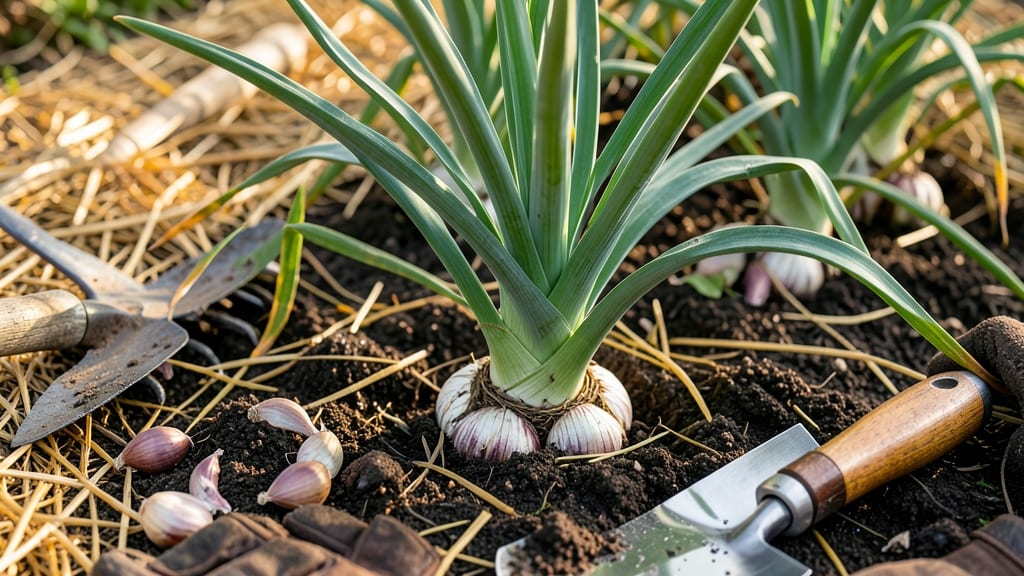
Planting garlic at the wrong time in Zone 9 can mean the difference between a bountiful harvest and wasted effort. Unlike colder climates, your mild winters demand a precise window to ensure strong root growth before summer heat arrives.
The key isn't just when you plant—it's understanding how Zone 9's unique climate affects your 🧄 garlic's development.
Most gardeners in your area assume fall is the only option, but winter planting can actually yield better results. I’ll show you exactly which months work best for your specific conditions—whether you’re in coastal areas with cooler microclimates or inland zones with warmer winters.
This isn’t just theory; it’s a game-changer for bulb size and flavor.
Hardneck and softneck varieties also have different preferences, and I’ll break down how to adjust timing for each type. Plus, you’ll discover simple soil prep tricks and post-planting care that keep your garlic thriving in Zone 9’s challenging conditions. Let’s get your garlic off to the best possible start.
Ready to grow bigger, healthier bulbs? The right planting window is the first step—and it’s easier than you think. Stick around to learn the exact months, soil secrets, and care tips that will transform your harvest this year.
Optimal planting months for garlic in Zone 9: a climate-specific guide
Zone 9’s mild winters throw a curveball for garlic growers. Unlike colder climates where garlic thrives in deep freeze, Zone 9’s lack of frost means we must plant strategically to trigger bulb development.
The key is cool soil temperatures (60-70°F) and consistent moisture—not freezing conditions. Plant too late, and your cloves may rot; too early, and they’ll bolt prematurely.
In Zone 9, the ideal planting window spans from mid-October through December, with a secondary window in January-February for coastal areas. This timing ensures garlic gets 6-8 weeks of cool weather before summer heat arrives.
Inland areas with hotter microclimates should plant on the earlier side (October-November), while coastal regions can extend into January.
Here’s why timing matters: Garlic needs 4-6 weeks of cold exposure to form bulbs, but Zone 9 rarely drops below 40°F. Without this chill, you’ll get leggy, skinny cloves instead of plump harvests.
The solution? Plant in fall or early winter to mimic natural chilling cycles, even if frost never arrives.
| Month | Best For | Soil Temp | Notes |
|---|---|---|---|
| October | Inland areas | 65-70°F | Early start for bulb formation |
| November | Coastal/mild zones | 60-65°F | Balanced growth window |
| December | All Zone 9 | 55-60°F | Best for hardneck varieties |
| January | Coastal only | 50-55°F | Risk of rot if too wet |
| February | Emergency plant | 55-60°F | Smaller bulbs likely |
Microclimates play a huge role in Zone 9. If you’re near the coast (e.g., San Diego or Santa Barbara), you can push planting into January thanks to cooler ocean breezes. Inland areas like Phoenix or Las Vegas should stick to October-November to avoid summer heat stress.
Even a 5°F difference in soil temperature can mean the difference between plump bulbs and skinny stalks.
Pro tip: Use a soil thermometer to monitor temperatures. Aim for 60-65°F at planting depth (2 inches). If your soil runs warmer, plant shallower (1.5 inches) or use shade cloth until roots establish.
Overheated soil = unhappy garlic. For coastal gardeners, morning fog can help regulate temps naturally—just water in the evening to extend this cooling effect.
One common mistake? Waiting until spring to plant garlic. By then, Zone 9’s heat will send your cloves into bolting mode (flowering = no bulbs). Instead, think of garlic as a winter crop in Zone 9.
It thrives when days are short and nights are cool—even if those nights never dip below 50°F. Mulch with straw or leaves to insulate soil and maintain steady temps.
For hardneck varieties (like ‘Music’ or ‘German White’), plant by December 1st to ensure scape production. Softnecks (‘Artichoke’ or ‘Silverskin’) are more forgiving and can go into January, but expect smaller bulbs if planted late.
Always choose large, firm cloves from the outer bulb—these yield the biggest harvests.
Remember: In Zone 9, patience is key. Garlic won’t bolt from heat like it would in Zone 5, but it also won’t develop bulbs without the right conditions. By planting in the optimal 3-month window (October-December), you’re giving your garlic the cool, consistent environment it craves—even without frost. 🌱
Optimal planting months for garlic in Zone 9: a climate-specific guide
Zone 9’s mild winters mean traditional fall planting advice doesn’t always apply. The ideal window for planting garlic here is October through December, but winter planting (January-February) can also work—especially in cooler microclimates.
Unlike colder zones, your garlic won’t need frost to develop strong roots, so timing focuses on soil temperatures and rainfall patterns.
The key is planting when daytime temperatures hover between 50°F and 65°F. This range ensures roots establish before summer heat arrives. Coastal areas can plant slightly later (up to January) thanks to ocean breezes, while inland zones should aim for November to avoid winter dry spells.
Even a few weeks off can shrink bulb size or delay harvest.
Here’s a quick breakdown of your best planting months and what to expect:
| Month | Best For | Soil Temp | Notes |
|---|---|---|---|
| October | Early root growth | 60°F–70°F | Best for inland zones; avoid heavy rains |
| November | Balanced growth | 55°F–65°F | Ideal for most of Zone 9; minimal pests |
| December | Winter planting | 50°F–60°F | Coastal areas only; protect from wind |
| January | Late winter | 45°F–55°F | Risky; may bolt early in heat |
| February | Emergency | 50°F+ | Only for storage varieties; poor bulb size |
If you miss the ideal window, don’t panic. March planting can still work for softneck varieties, though bulbs will be smaller. The goal is to have garlic establish roots before April’s rising temperatures, which can stress young plants.
I’ve had success with late plantings by using shade cloth during peak summer heat.
Pro tip: Test your soil’s drainage before planting. Zone 9’s occasional winter dry spells can cause cloves to rot if water pools. Amend heavy soil with compost or sand to improve airflow. Mulch with straw after planting to retain moisture and regulate soil temps—critical for bulb development.
Remember, garlic in Zone 9 grows best when it experiences cool but not freezing conditions. The right timing isn’t just about months—it’s about giving your cloves the perfect temperature window to thrive before summer arrives. 🌱