
Plants
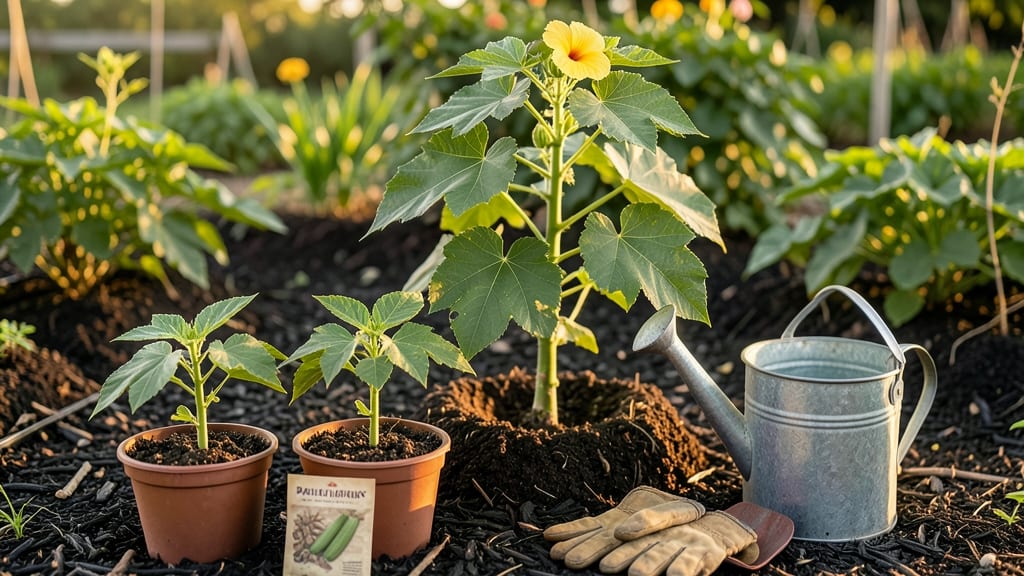
Planting okra in Oklahoma isn’t just about timing—it’s about beating the heat before it beats you. The late April to early June window is your golden opportunity, but get it wrong, and you’ll either face frost damage or watch your plants bolt in the sweltering summer sun.
Okra thrives in Oklahoma’s USDA zones 6b-7a, where the soil needs to hit 60°F before seeds go in. That means waiting for the last frost—usually around March 15—and rushing to plant before the mercury climbs too high. Direct sowing is key, since okra hates being transplanted.
Why does timing matter so much? Because okra grows fast—60 days to harvest—and Oklahoma’s summers are intense. Plant too early, and your crop will struggle with cool soil; too late, and you’ll miss the peak growing season. Let’s break down the exact steps to get it right.
From heat-resistant varieties to soil prep tricks, I’ll show you how to turn Oklahoma’s brutal summers into your okra’s best friend. Ready to grow a bumper crop? Let’s get started.
Okra planting calendar for Oklahoma: exact dates by hardiness zones
Oklahoma’s USDA hardiness zones 6b-7a create a unique window for okra planting, where heat tolerance meets precise timing. Unlike cooler climates, okra thrives in Oklahoma’s long, hot summers, but you must plant after the last frost date—typically mid-April to early May—to avoid cold-sensitive seedling failure.
Direct sowing is highly recommended for okra, as transplants often struggle with root shock in Oklahoma’s intense heat. The soil temperature must reach at least 60°F for optimal germination, which usually aligns with late April to early June in most Oklahoma regions.
Here’s your region-specific planting timeline based on Oklahoma’s microclimates, accounting for last frost dates and soil warmth:
For direct sowing, plant seeds ½ inch deep and 12–18 inches apart in rows 3 feet apart. Oklahoma’s clay-heavy soils benefit from amending with compost to improve drainage, as okra hates soggy roots.
If you’re transplanting (not ideal but possible), start seeds indoors 4–6 weeks before your last frost date. Harden off seedlings for 7–10 days before transplanting, and plant in the late afternoon to reduce transplant shock in Oklahoma’s intense afternoon sun.
Pro tip: Use straw mulch around plants to retain moisture and regulate soil temperature, which is crucial in Oklahoma’s swinging temperatures between day and night.
Okra is a fast grower, with harvest-ready pods in 50–60 days. In Oklahoma, this means your first harvests will likely arrive in July, just in time for summer eating. But don’t wait too long—okra pods quickly become tough and woody if left on the plant.
Monitor your plants for bolting (premature flowering) if planted too early. Oklahoma’s long daylight hours in summer can trigger bolting, so prioritize late spring planting for the best yields.
Okra planting calendar for Oklahoma: exact dates by hardiness zones
Oklahoma’s USDA hardiness zones 7a-8a create a narrow window for planting okra—too early risks frost damage, while late planting cuts harvests short. The ideal planting window spans from late April to early June, aligning with soil temperatures of 60°F or warmer and after your region’s last frost date.
Most Oklahoma gardeners experience their last frost around March 15, but timing varies by region. For example, Tulsa (Zone 7a) typically waits until mid-April, while Oklahoma City (Zone 7b) can plant as early as late March in sheltered microclimates. Always check your local frost-free date for precision.
Okra thrives in Oklahoma’s heat but bolts quickly if planted too early. The 60°F soil temperature threshold is critical—use a soil thermometer to confirm readiness. In Zone 7a, aim for April 20-May 10; in Zone 8a, you can start as early as April 1.
| Zone | Last Frost | Planting Window | Soil Temp | Notes |
|---|---|---|---|---|
| 7a (Tulsa) | March 15 | April 20-May 10 | 60°F+ | Wait for warm nights |
| 7b (OKC) | March 1 | April 1-May 15 | 60°F+ | Microclimates allow earlier |
| 8a (Lawton) | February 28 | March 20-April 30 | 60°F+ | Longer growing season |
Direct sowing is preferred over transplanting—okra’s roots are delicate and transplant shock is common. Plant seeds ½ inch deep and 18 inches apart in rows spaced 3 feet apart to allow airflow and reduce disease risk. Oklahoma’s high humidity demands proper spacing to prevent fungal issues like powdery mildew.
For a second harvest, consider a late summer planting in Zone 8a around July 1. Use heat-tolerant varieties like ‘Emerald’ and provide extra mulch to retain moisture during Oklahoma’s 100°F+ heatwaves. Always monitor for first frost warnings after November 1 to protect your crop.
Pro tip: Use black plastic mulch to warm soil faster and suppress weeds. This method can extend your planting window by 1-2 weeks in cooler microclimates. Pair it with drip irrigation to maintain consistent moisture without wetting foliage—critical in Oklahoma’s humid summers.