
Plants
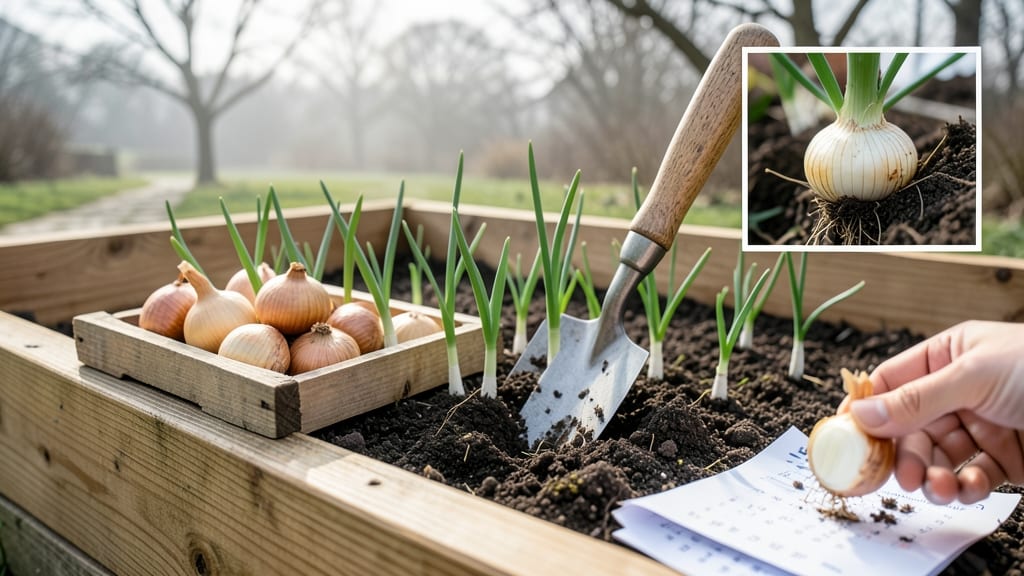
If you're wondering when to plant onions in North Carolina, timing is everything—and getting it wrong could mean bitter bulbs or no harvest at all. North Carolina’s 6b-8a zones offer two perfect windows: early spring and fall, but the devil is in the details.
Spring plantings should start 4-6 weeks before your last frost (usually late February to early March), while fall onions go in 8-10 weeks before the first frost (August-September). But here’s the catch: soil temperature matters just as much as the calendar.
Onions thrive when soil hits 40-60°F, so coastal areas like Wilmington can plant earlier than the Piedmont or mountains. Whether you’re using sets, seedlings, or seeds, this guide will help you align your planting with North Carolina’s unique microclimates.
Let’s break down the exact months, soil prep tips, and how to adjust for your specific corner of the state—so you can grow sweet, plump onions instead of tough, pungent ones.
North Carolina onion planting calendar by soil temperature & variety type
North Carolina's diverse climate—from the coastal plains to the mountain regions—means onion planting times vary dramatically. The key factor? Soil temperature, which should stay between 40-60°F for optimal germination and bulb development. Planting too early in cold soil (<40°F) stalls growth, while waiting too long risks bolting (premature flowering) in summer's heat.
Onions are classified by day-length requirements, which directly impact planting windows. Short-day onions (like Texas Early White) thrive when daylight is <12-14 hours, while long-day onions (like Yellow Sweet Spanish) need <14-16 hours of daylight to form bulbs. North Carolina's USDA zones 6b-8a accommodate all three types, but timing is critical.
For spring plantings, aim to get onions in the ground 4-6 weeks before your last frost date (typically early March in the mountains to mid-March in the Piedmont).
For fall plantings, plant 8-10 weeks before your first frost (late August in the mountains to early September in the coast). This dual approach ensures a continuous harvest from June through September.
Here’s how soil temperature and variety type determine your planting window:
In coastal North Carolina (e.g., Wilmington), where winters are milder, you can plant short-day onions as early as February and even extend fall plantings into early October.
Meanwhile, in the mountains (Asheville), wait until late March for spring plantings and finish by mid-August for fall crops to avoid early frosts.
For seedlings or sets, transplant when soil reaches 45°F and air temps stay above 50°F at night. If starting from seeds indoors, begin 8-10 weeks before your last frost (typically by January for early spring harvests). Use grow lights to simulate long days if growing long-day varieties indoors.
Pro tip: Use a soil thermometer to monitor temperatures. Onions won’t germinate well below 40°F, even if the air feels warm. If your soil is too cold, wait 1-2 weeks or use black plastic mulch to warm it faster.
Remember, bolting (premature flowering) is the enemy of sweet, bulbous onions. Long-day varieties planted in summer will bolt quickly—so stick to short-day or intermediate-day types for fall plantings if you want bulbs, not seeds.
🌱
How to adjust onion planting timing for North Carolina’s frost zones 6b-8a
North Carolina’s diverse microclimates—from the coastal plains to the mountains—mean frost dates vary wildly. In Raleigh (Zone 7b), you might see your last frost around March 15, while Asheville (Zone 7a) can linger until April 5.
Adjust your planting schedule accordingly to avoid frost damage or bolting from heat stress.
For spring plantings, start seeds indoors 6-8 weeks before your last frost date. In Wilmington (Zone 8a), this could mean early February, while in Boone (Zone 6b), wait until March 1. Use row covers to extend your season by 2-4 weeks in cooler zones.
| Region | Last Frost | First Frost | Spring Planting Window |
|---|---|---|---|
| Coastal (Wilmington) | Feb 28 | Nov 1 | Feb 15 - Mar 31 |
| Piedmont (Raleigh) | Mar 15 | Nov 15 | Mar 1 - Apr 15 |
| Mountains (Asheville) | Apr 5 | Oct 31 | Mar 15 - Apr 30 |
Fall plantings offer a second harvest window. In Zone 8a, sow seeds by August 15 for a late-summer crop. In Zone 6b, wait until September 1 to avoid overwintering. Use mulch (straw or leaves) to insulate bulbs during winter, preventing freeze damage.
For long-day varieties (like Yellow Granex), plant in late winter to trigger bulb formation as daylight increases. Short-day varieties (like Texas Early White) thrive with fall plantings—sow by August 1 in most of NC. Always check your seed packet for day-length requirements!
If you’re in Zone 7b or warmer, consider succession planting: start a new batch every 2-3 weeks from March through May. This ensures a steady supply of fresh onions without overcrowding your garden. Just remember: soil temperature must stay above 40°F for germination.
Pro tip: Use a soil thermometer to monitor temperatures. Onions prefer 50-60°F soil—planting too early in cold soil can stunt growth. If your soil is still chilly, wait a week or two for better results.