
Plants
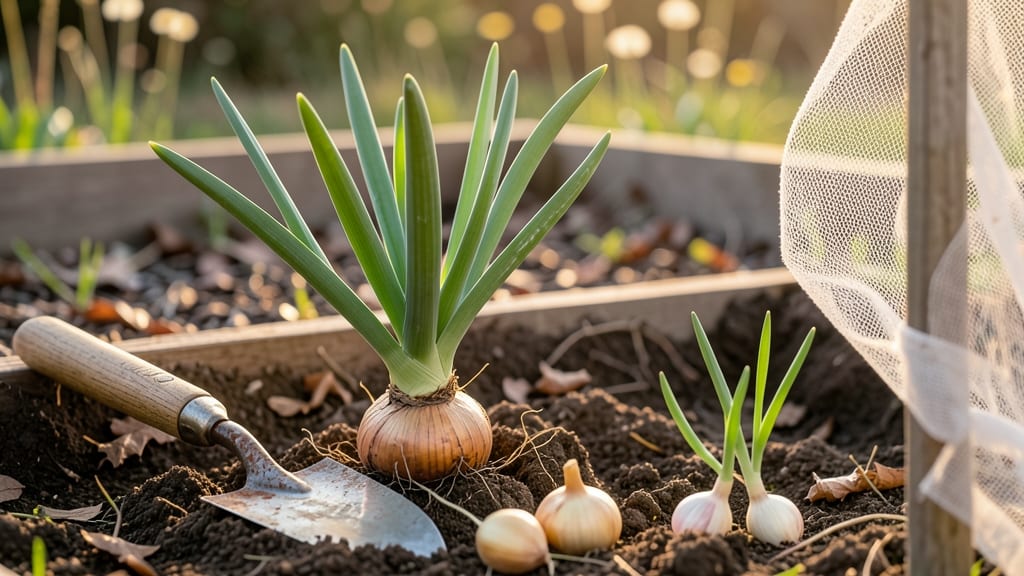
Timing your 🧅 onion planting in Ohio isn’t just about the calendar—it’s about reading the soil and weather like a pro. Plant too early, and frost will turn your tender starts into sad, wilted memories.
Too late, and your harvest shrinks before summer even kicks in. The secret? Knowing when the ground warms to 50°F—that’s your green light for spring, or waiting until August when fall’s cooler air arrives.
Ohio’s 6a zone throws a curveball with its unpredictable swings from freeze to heatwave. But here’s the game-changer: whether you’re dropping onion sets or sowing seeds, the right window means bigger bulbs and fewer headaches.
I’ll break down exactly when to plant for both spring and fall crops, so you can dodge frost traps and maximize your harvest—no guesswork, just results.
Let’s start with the basics: why March-April is your sweet spot for spring planting, and how a late-summer push in August-September can give you a second harvest before frost.
You’ll also discover how to prep your soil, choose the right varieties for Ohio’s climate, and even stretch your growing season with simple tricks. Ready to turn your onion dreams into a thriving garden reality?
From seed to bulb, we’ll cover every step—so grab your gloves, and let’s get those onions in the ground at the perfect moment. Your taste buds (and dinner table) will thank you.
Ohio onion planting calendar by soil temperature (spring vs fall)
Ohio’s USDA Zone 6a climate creates unique challenges for onion growers. Unlike warmer regions, our soil temperature swings dramatically between seasons, dictating precise planting windows. Spring-planted onions need 40-50°F soil temps to sprout, while fall varieties thrive in 60-70°F conditions before winter sets in.
Most Ohio gardeners focus on spring planting (March–April), but fall planting (August–September) offers a second harvest window. The key? Timing your plantings to avoid frost damage while maximizing bulb development before cold weather arrives.
🌱 Pro Tip: Use a soil thermometer to confirm temps before planting!
For spring planting, aim to get seeds or sets in the ground 4–6 weeks before Ohio’s average last frost date (April 15). This gives seedlings time to establish roots before summer heat arrives.
In northern Ohio, start slightly earlier (late March), while southern Ohio can wait until early April.
Fall planting requires more precision. Onions planted in August need 100–120 days to mature before frost, while September plantings should use faster varieties (like 80-day Candy onions) to avoid winter kill. Always check your local frost dates—some years, October frosts arrive early!
Ohio’s microclimates also play a role. Gardens near Lake Erie may experience delayed springs due to lake-effect snow, while inland areas like Columbus often warm up faster. Adjust your schedule by 1–2 weeks based on your specific location’s history.
If you’re growing from seeds, start them indoors 8–10 weeks before transplanting (early February for spring). For sets or transplants, purchase certified disease-free stock from local nurseries in early spring or late summer for fall plantings.
Remember: Soil prep matters just as much as timing. Onions thrive in well-draining, slightly acidic soil (pH 6.0–7.0). Mix in compost before planting to improve fertility and structure. Avoid fresh manure—it can cause bulb rot.
🧅 Key Takeaway: Spring onions need cool soil and warm air; fall onions need warm soil and cool nights. Ohio’s 165 frost-free days create perfect conditions for both strategies—if you time it right!
5 Critical factors that determine your Ohio onion planting schedule
Ohio’s unpredictable weather means blindly following a calendar won’t guarantee onion success. Instead, focus on these 5 key factors that truly dictate your planting schedule. From soil temperature to onion variety, each plays a critical role in whether your crop thrives or flops.
First, soil temperature is non-negotiable. Onions need soil at 40-50°F to germinate—any colder, and seeds won’t sprout. Use a soil thermometer to check before planting. In Ohio’s Zone 6a, this typically aligns with late March to early April for spring planting.
Onion variety is your second critical factor. Ohio gardeners must choose between short-day (like Texas Early White) and long-day (like Yellow Sweet Spanish) varieties. Short-day onions prefer Ohio’s climate, while long-day types need 14+ hours of daylight—something Ohio lacks in summer. Pick wrong, and your bulbs won’t mature properly.
| Factor | Ohio-Specific Consideration | Actionable Tip |
|---|---|---|
| Soil Temperature | 40-50°F for germination | Wait for consistent 45°F+ soil temps (use a thermometer) |
| Onion Variety | Short-day vs. long-day | Plant short-day (e.g., Texas Early White) for Ohio’s climate |
| Last Frost Date | April 15 (varies by microclimate) | Plant 4-6 weeks before last frost for spring onions |
| Microclimate | Lake-effect snow delays | Use row covers in late spring for frost protection |
| Frost Risk | Sudden cold snaps in May | Monitor NOAA frost forecasts and adjust planting dates |
Don’t overlook microclimates—Ohio’s geography creates huge variations. Areas near Lake Erie may experience 2-week delays due to lake-effect snow, while inland regions warm up faster. Test your soil in multiple spots to account for these differences. A south-facing bed warms up 3-5 days earlier than a north-facing one.
Next, frost risk can sabotage even the best-laid plans. Ohio’s average last frost date is April 15, but sudden cold snaps in May aren’t unheard of. Always have frost cloth on hand for late spring plantings.
For fall onions, aim to harvest before the first frost (October 15), or use cold-hardy varieties like Storage White.
Finally, soil preparation sets the stage. Onions thrive in well-draining, slightly acidic soil (pH 6.0-7.0). Ohio’s clay-heavy soils often need compost or sand to improve drainage. Test your soil in early spring and amend as needed—this ensures your onions won’t rot from soggy conditions.
By mastering these 5 factors, you’ll outsmart Ohio’s weather and enjoy a reliable onion harvest every season. Start with soil temperature, then adjust for variety, frost, microclimates, and soil prep—your future self (and your taste buds) will thank you!