
Plants
If you've ever stared at your patchy lawn wondering when is the best time to plant grass seed in South Carolina, you're not alone.
The Palmetto State's humid summers and unpredictable weather can turn even the most eager gardener into a second-guesser—but getting the timing right makes all the difference between a lush carpet of green and a frustrating gamble.
Here's the secret: South Carolina's 7b-8a climate zones create two perfect windows for planting 🌱—early spring and early fall—when temperatures and moisture align just right. Whether you're tackling a new lawn or repairing bare spots, understanding these seasonal cues is your first step to success.
Spring planting (March-April) gives your grass a head start before summer heat, while fall (August-September) offers cooler temps and fewer weeds. I'll break down exactly how to choose between these options based on your grass type and local microclimate—plus the common mistakes that derail even the best-laid plans.
Let's cut through the guesswork so you can finally enjoy that thick, vibrant lawn you've been dreaming of—without the trial and error. Your perfect planting date is closer than you think!
South Carolina’s ideal grass planting windows: spring vs fall compared
Choosing the right time to plant grass seed in South Carolina depends on your grass type and local microclimate. The state’s USDA Zones 7b-8a offer two prime windows: early spring (March-April) and early fall (August-September).
Each season brings unique advantages—cool temperatures and moisture in spring, while fall offers warm soil and cooler air to reduce stress.
Cool-season grasses like tall fescue and ryegrass thrive in spring’s mild conditions, while warm-season varieties such as Bermuda and Zoysia prefer fall’s stable temperatures. The Lowcountry may shift timing by a week or two due to its warmer coastal climate compared to the Upstate’s cooler mountain air.
Soil temperature is your best guide—aim for 60-70°F for cool-season seeds and 75-85°F for warm-season types. Use a soil thermometer to check depths of 2-4 inches before planting. Rainfall patterns also play a role: spring often brings steady showers, while fall’s humidity can promote fungal growth if not managed.
| Factor | Spring Planting (March-April) | Fall Planting (August-September) |
|---|---|---|
| Best Grass Types | Tall Fescue, Ryegrass, Kentucky Bluegrass | Bermuda, Zoysia, Centipede |
| Ideal Soil Temp | 60-70°F | 75-85°F |
| Rainfall Benefits | Natural moisture reduces irrigation needs | Humidity can increase fungal risks |
| Heat Stress Risk | Low (cooler temps) | Moderate (soil stays warm) |
| Establishment Time | 6-8 weeks | 4-6 weeks |
Spring planting in South Carolina offers longer daylight hours that accelerate germination, but seeds planted too early (before March 15) risk frost damage. For cool-season grasses, aim to finish planting by April 15 to avoid summer heat stress.
In contrast, fall planting lets seeds establish before winter, with September 15 being the ideal cutoff to allow roots to harden before first frost (November 15).
The Upstate’s cooler climate may allow spring planting as early as February, while the Lowcountry’s warmer zones might delay fall planting until October. Always check your local Clemson Extension office for microclimate-specific adjustments.
For example, coastal areas like Charleston may need to plant Bermuda grass in late May to avoid summer dormancy.
If you miss the ideal windows, late summer (July) can work for warm-season grasses, but expect slower establishment due to heat. Avoid planting in June or October—these months often bring extreme temperatures or unpredictable weather that stress young seedlings.
Always prioritize soil moisture over speed, as thirsty grass won’t recover from drought once established.
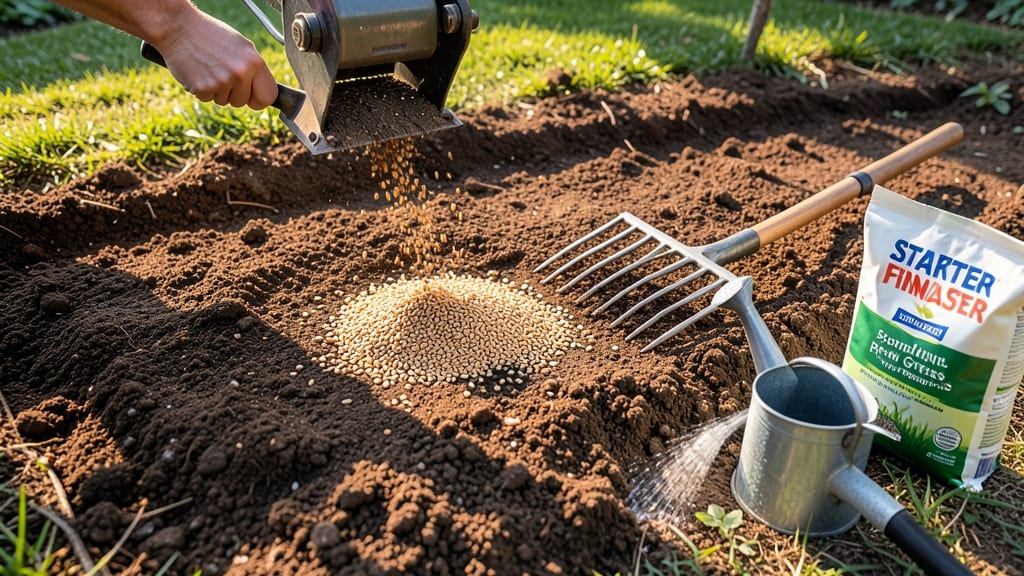
Pro tip: Test your soil pH (ideal range: 6.0-7.0) before planting. South Carolina’s sandy soils often need compost or lime to improve fertility. Spread a thin layer of starter fertilizer (high in phosphorus) at planting to encourage root growth.
Water lightly after sowing to keep seeds moist but not soggy—1/4 inch of water daily is perfect until germination.
Remember, grass seed success in South Carolina hinges on timing + soil prep. While spring offers a fresh start, fall’s cooler air reduces weed competition and fungal pressure. Whichever you choose, consistent care in the first 30 days will determine whether your lawn thrives or struggles.
Start with the right season, and your grass will reward you with years of lush coverage.
South Carolina’s ideal grass planting windows: spring vs fall compared
Choosing between spring and fall planting in South Carolina depends on your grass type and local climate. Cool-season grasses like tall fescue and ryegrass thrive when planted in early spring (March-April) or early fall (August-September), while warm-season grasses like Bermuda and Zoysia prefer late spring (May-June).
The key is avoiding extreme heat or cold, which stress young seedlings.
Spring planting gives seedlings a head start before summer’s intense heat, but you’ll need to keep them well-watered as temperatures rise. Fall planting, on the other hand, offers cooler temps and fewer weeds, giving grass a strong root system before winter.
Both windows avoid the peak summer drought and winter frost that can stunt growth.
Here’s how South Carolina’s three regions differ: the Upstate’s cooler climate (Zone 7b) allows earlier spring planting, while the Lowcountry’s humidity (Zone 8a) demands precise fall timing to prevent fungal issues. The Midlands straddle both approaches, making it flexible.
| Factor | Spring Planting (March-April) | Fall Planting (August-September) |
|---|---|---|
| Soil Temp | 60-70°F | 70-80°F |
| Rainfall | Moderate (3-4 inches/week) | High (4-5 inches/week) |
| Weed Competition | High (spring weeds) | Low (fall weeds dormant) |
| Best For | Cool-season grasses | All grasses (especially warm-season) |
For cool-season grasses, aim for March 15-April 15 in the Upstate or April 1-May 1 in the Lowcountry. These dates align with soil warming to 60°F+, reducing frost risk. Fall planting should happen 6-8 weeks before first frost (typically August 15-September 15), ensuring roots establish before winter.
Microclimates matter! Coastal areas like Charleston stay warmer longer, so fall planting can extend to October, while the Upstate’s cooler nights may require earlier spring starts. Always check Clemson Extension’s frost maps for your exact location to fine-tune timing.
Pro tip: Use a soil thermometer to confirm temps—60°F+ for cool-season and 70°F+ for warm-season grasses signals it’s go time. This small step saves weeks of frustration later!