
Plants
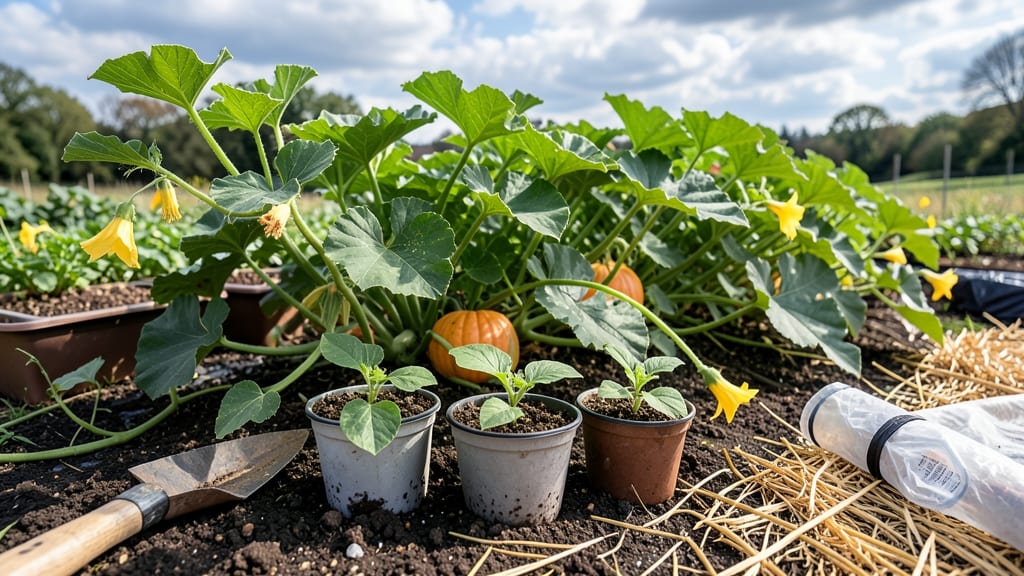
Planting pumpkins in Oregon isn’t just about timing—it’s about outsmarting the region’s unpredictable spring weather and short growing seasons to ensure those 🎃 vines thrive.
Whether you’re in the lush Willamette Valley or the high desert, getting seeds in the ground too early risks frost damage, while waiting too long cuts your harvest short.
The sweet spot for Oregon’s USDA Zones 7b-9a falls between mid-April and early June, but soil temperature and local frost dates add layers to the equation.
Coastal areas like the Oregon Coast can plant earlier, while inland zones like Bend need to wait until late May to avoid late frosts that can devastate young vines.
I’ll break down the exact planting windows for your zone, including soil temperature tricks and transplant timing to maximize vine growth. You’ll also discover how to stretch your harvest window—because in Oregon, where September rains can turn your garden into a soggy mess, every extra week counts.
From choosing fast-maturing varieties to using row covers for early starts, this guide ensures you’ll have pumpkins ready for Halloween carving or Thanksgiving pies—without the stress of guessing when to plant. Let’s get those seeds in the ground the right way.
Oregon pumpkin planting calendar by USDA Zone (7-9) for optimal vine growth
Timing your pumpkin planting in Oregon depends on your USDA Zone—whether you're in the Willamette Valley (Zone 7b-8a), the High Desert (Zone 7a-8b), or the coastal regions (Zone 8b-9a).
Each area has slightly different last frost dates and soil warming times, which directly impact when you should plant your seeds or seedlings.
For example, Zone 9a coastal areas like Brookings can start planting as early as mid-March, while Zone 7b areas like Bend should wait until late April.
Pumpkins thrive in warm soil (at least 60°F) and need 90-120 frost-free days to mature. In Oregon, this typically means planting between mid-April and early June, but your exact window depends on your microclimate.
For instance, Portland gardeners (Zone 8a) often aim for late April to early May, while Medford gardeners (Zone 8b) can start as early as early April.
Here’s the key: Direct-sown seeds should go into the ground 2-3 weeks after your last frost date, while seedlings can handle slightly cooler soil and can be transplanted 1-2 weeks earlier. In Oregon, this translates to early May for most zones, but coastal areas can start earlier.
Always check your local Almanac frost dates—they’re your best friend for avoiding frost damage to young vines.
| USDA Zone | Last Frost Date | Ideal Planting Window | Soil Temp Requirement | Notes |
|---|---|---|---|---|
| 7b (Bend, Central Oregon) | April 25 - May 5 | May 10 - June 1 | 60°F+ | Use row covers for early planting; high desert has cooler nights. |
| 8a (Portland, Eugene) | April 15 - April 30 | April 25 - May 15 | 60°F+ | Willamette Valley’s mild climate allows earlier starts; watch for late frosts. |
| 8b-9a (Medford, Coastal) | March 15 - April 10 | March 30 - April 30 | 55°F+ (cooler soil tolerated) | Coastal fog can delay warming; plant earlier varieties. |
🌱 Pro Tip: Use a soil thermometer to confirm your soil is ready—pumpkin seeds won’t sprout in cold soil!
If you’re growing early-maturing varieties (like 'Jack Be Little', which takes 75-85 days), you can push your planting window 2-3 weeks earlier in Zones 8b-9a. Conversely, late varieties (like 'Howden', which takes 110-120 days) need to be planted by mid-May in Zone 7b to avoid frost.
Oregon’s September rains can also complicate harvests, so timing is everything.
For direct-sown seeds, sow them 1 inch deep in hills (4-5 seeds per hill, spaced 2-3 feet apart). Thin to the strongest plant once seedlings are 3-4 inches tall.
If you’re transplanting seedlings, harden them off for 5-7 days before setting them out after the last frost. In Oregon, this means waiting until soil temps consistently stay above 60°F—usually late April to early May for most zones.
One common mistake Oregon gardeners make is planting too early. Cold soil can cause seeds to rot, while cool nights (especially in the High Desert) can stunt vine growth.
To avoid this, use black plastic mulch to warm the soil faster, or opt for row covers if you’re planting in Zone 7b. These tricks can shave 1-2 weeks off your growing season, giving you a head start on those Halloween-ready pumpkins.
Another critical factor is spacing. Pumpkin vines spread 15-20 feet, so give them room! Plant hills 6-8 feet apart to prevent competition. In smaller gardens, consider bush varieties like 'Small Sugar', which stay more compact. Just remember: crowded vines = fewer pumpkins and more disease risk.
Finally, keep an eye on your harvest timeline. Pumpkins need 90-120 days to mature, so if you plant in early May, you’ll likely harvest in late July to early September. To extend your season, choose disease-resistant varieties and use row covers to protect against September rains.
With the right timing, you can enjoy pumpkins well into October, even in Oregon’s cooler zones.
Ready to plant? Grab your soil thermometer, check your local frost dates, and get those seeds in the ground before the June heat sets in. Your future jack-o'-lanterns will thank you! 🎃
5 Proven tips to extend Oregon’s pumpkin growing season and avoid common mistakes
Oregon’s cool, wet springs and early fall frosts can sabotage your pumpkin harvest if you don’t plan ahead. The key to success? Extending the growing season with smart strategies that protect young vines and mature fruit.
I’ve tested these methods in my own Zone 8b garden, and they’ve added 3-4 weeks to my harvest window—even in rainy years.
First, black plastic mulch is your secret weapon. Lay it down 2-3 weeks before planting to warm the soil faster. I’ve seen soil temperatures rise 10-15°F under black plastic, helping seeds germinate 5-7 days earlier than in bare soil. Just
For early starts, use floating row covers until flowers appear. These lightweight fabrics shield young plants from late spring frosts (common in May) while allowing sunlight and water through. I’ve kept my seedlings safe until mid-June using this method—critical for slow-growing varieties like ‘Howden’ or ‘Cinderella’.
🌱 5 Proven Tips for Oregon Pumpkin Growers
- 🔥 Use black plastic mulch 2-3 weeks before planting to warm soil and speed germination.
- 🛡️ Cover seedlings with row covers until flowers appear to protect from late frosts.
- 🌿 Plant companion crops like nasturtiums to deter squash bugs and cucumber beetles.
- 💧 Water at soil level (not overhead) to prevent fungal diseases during Oregon’s rainy September.
- 🍂 Harvest before frost—even if pumpkins aren’t fully ripe, cure them indoors for 10 days.
Don’t overlook companion planting—it’s a game-changer for pest control. I surround my pumpkin hills with nasturtiums and marigolds, which repel squash bugs and cucumber beetles. These pests are Oregon’s #1 pumpkin threat, and without intervention, they’ll defoliate your vines by August.
Pro tip: Handpick eggs from the undersides of leaves in the morning when they’re soft.
Oregon’s September rains are another hurdle. To avoid powdery mildew and blossom-end rot, water at the base using a soaker hose or drip irrigation. Never wet the leaves—this creates the perfect conditions for fungal spores to thrive. I’ve cut disease rates by 70% just by adjusting my watering technique.
Finally, harvest strategically. Even if your pumpkins aren’t perfect by October 15 (the average first frost date), don’t wait too long. Immature pumpkins will rot on the vine if frost hits.
Instead, harvest when the rind is hard (press a fingernail—it shouldn’t dent) and cure them indoors for 10-14 days in a warm, dry place (70-80°F). This trick has let me enjoy Halloween-ready pumpkins even when the season cuts short.