
Plants
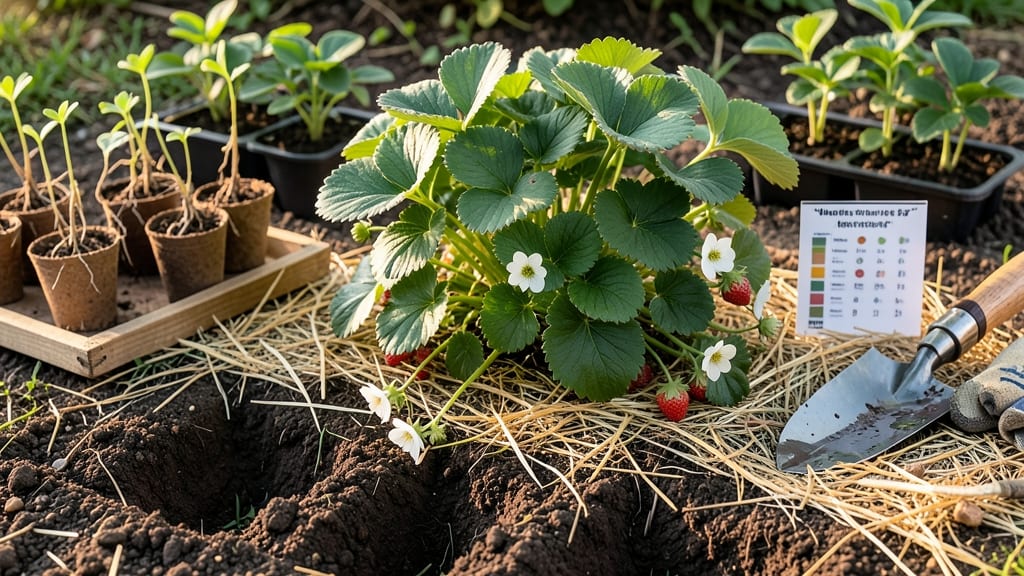
Timing your strawberry planting in Kentucky isn't just about the calendar—it's about dodging the dreaded bolting that turns your sweet dreams into bitter disappointment. With Kentucky's 6a-7a zones, you've got just a narrow window to plant 🍓 before those unpredictable spring frosts or scorching summer heat ruins your harvest.
Most gardeners swear by early spring planting, but here's the catch: if you plant too soon, your strawberries might bolt before producing fruit. Meanwhile, fall planting offers a second chance—but only if you nail the soil temperature and frost timing.
I'll break down exactly when to plant for your specific microclimate, whether you're in the Bluegrass Region or the Cumberland Plateau.
What you'll discover is that Kentucky's March 15 average last frost date is just the starting point. The real secret lies in soil warmth and variety selection—like choosing cold-hardy types that won't panic when temperatures dip.
Let me show you how to time your planting for maximum berries and minimum stress.
From bare-root plants to potted varieties, we'll cover everything you need to know to avoid common mistakes that lead to poor yields. Whether you're a first-time gardener or a seasoned pro, these Kentucky-specific tips will help you grow the juiciest strawberries from your garden this spring.
Kentucky’s 3 microclimates: exact planting weeks to avoid bolting
Kentucky’s diverse geography—from the Bluegrass Region to the Cumberland Plateau—means your strawberry planting window can vary by 3-4 weeks. Understanding these microclimates helps you avoid early bolting (premature flowering) and maximize yields. Let’s break down the optimal planting weeks for each zone.
First, check your USDA Zone (6a-7a) and elevation. Higher elevations (like the Cumberland Plateau) have later last frost dates (April 15-May 1), while lower areas (like Western Kentucky) can plant as early as March 1.
Soil temperature is your real guide: aim for 40-50°F for roots to establish.
🌱 Key Insight: Kentucky’s Bluegrass Region (Lousville, Lexington) is the most forgiving for early spring planting, while Eastern Kentucky (Appalachians) often needs to wait until mid-April to avoid frost damage.
| Microclimate | USDA Zone | Spring Planting Window | Fall Planting Window | Soil Temp Trigger |
|---|---|---|---|---|
| Bluegrass Region | 6b-7a | March 15-April 15 | September 15-October 15 | 45-50°F |
| Cumberland Plateau | 6a-6b | April 1-May 1 | September 1-October 5 | 40-45°F |
| Western Kentucky | 7a | March 1-April 1 | September 20-October 20 | 50-55°F |
Use a soil thermometer to confirm readiness—cold soil delays root growth.
For bare-root plants, Kentucky gardeners should plant 4-6 weeks before last frost to let roots establish. Potted strawberries (June-bearing or everbearing) can go in 2 weeks earlier since their roots are already active. June-bearing varieties like ‘Chandler’ need cold stratification—plant them in early spring for best results.
Fall planting is trickier in Kentucky’s Zone 7a due to early November frosts. Aim for September 15-October 15 in the Bluegrass Region, but shift to September 1-October 5 in cooler Eastern Kentucky. Use row covers to extend the window into early November if needed.
Pro tip: Ever-bearing varieties (like ‘Seascape’) produce two harvests—plant them in late spring (May) for a summer-fall harvest. This avoids the June bolting trap of June-bearing types.
Watch for soil warmth—use a soil thermometer ($10 at garden centers). Below 40°F stalls root growth, while above 55°F can trigger early flowering. Mulch with straw to regulate temperature and retain moisture.
Kentucky’s Western Region (Paducah, Bowling Green) often sees earlier soil warming due to lower elevation. Plant March 1-April 1 here, but monitor frost forecasts—late March freezes can still occur. Hardy varieties like ‘Jewel’ tolerate light frosts after planting.
Remember: June-bearing strawberries planted in fall won’t fruit until next year, but they’ll establish stronger roots. Everbearing types may produce some berries the first year if planted in late summer.
For container growing, Kentucky’s shorter seasons work in your favor. Plant potted strawberries in late April and move containers to sheltered spots in winter. Black plastic mulch warms soil by 5-10°F, letting you plant 2 weeks earlier in spring.
🌱 Action Step: Mark your last frost date (check Almanac.com for local data) and count back 6 weeks for spring planting. For fall, count 8 weeks before first frost.
How to time strawberry planting for Kentucky’s frost risks
Kentucky’s last frost date around March 15 might seem like your cue to plant strawberries, but don’t rush. Planting too early can trigger bolting—when your plants flower prematurely instead of producing fruit.
Instead, aim to plant when soil temperatures hit 40°F, which usually aligns with late March to early April in most areas.
For bare-root plants, soak roots overnight before planting to reduce transplant shock. If you’re using potted varieties, wait until roots peek through the drainage holes—this signals readiness. Both types need well-draining soil to prevent rot, especially in Kentucky’s clay-heavy soils.
🌱 Pro Tip: Use a soil thermometer to check depth (2 inches). If it’s below 40°F, wait a week or two. Cold soil slows root growth, making plants vulnerable to disease.
| Microclimate | Last Frost Date | Ideal Planting Window | Soil Temp Threshold |
|---|---|---|---|
| Bluegrass Region (Lexington, Louisville) | March 10-15 | Late March to early April | 40-45°F |
| Cumberland Plateau (Bowling Green) | March 5-10 | Early to mid-March | 38-42°F |
| Western Kentucky (Paducah) | March 15-20 | Mid to late March | 42-48°F |
If you’re planting in fall, aim for September to early October when soil temps drop to 50-60°F. This gives roots time to establish before winter, but avoid planting after October 15—new growth won’t harden off before frost.
For extra protection, choose cold-hardy varieties like ‘Chandler’ or ‘Jewel’, which tolerate 10°F dips. Mulch with straw or leaves after planting to insulate roots and retain moisture. This is especially critical in Kentucky’s Zone 6a areas, where winter temps can fluctuate wildly.
✅ Frost-Proof