
Plants
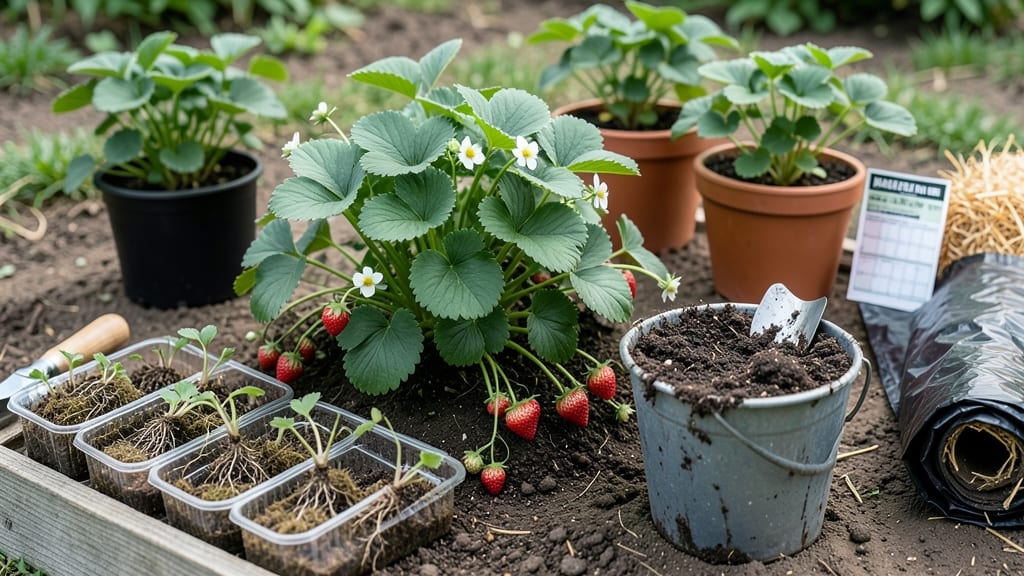
Planting strawberries in Ohio at the wrong time can mean the difference between a bountiful harvest and a season of disappointment. Ohio’s 6a climate zone demands precision—too early, and your 🍓 plants bolt (flower prematurely), while waiting too long risks stunted growth.
The key lies in understanding your variety and local frost dates, which can vary by just weeks between northern and southern Ohio.
Most Ohio gardeners swear by early spring planting—typically March to April—but everbearing and day-neutral varieties offer flexibility. Late summer (August) is another viable window, especially for those who missed the spring deadline.
The goal? Beat the last frost (around April 15) while ensuring soil temperatures hit 40°F or warmer for optimal root establishment.
Here’s the game-changer: June-bearing strawberries (the most popular type) need cold exposure to trigger fruiting, while everbearing varieties can handle a second planting. I’ll break down the exact months for each type, plus microclimate tweaks to avoid bolting—so you can harvest ripe berries from May to June without the guesswork.
Ready to transform your Ohio garden into a strawberry powerhouse? Let’s dive into the planting schedule that’ll have your plants thriving—and your neighbors asking for cuttings.
Ohio strawberry planting calendar: best months by variety type (June-bearing vs. everbearing vs. day-neutral)
Ohio’s USDA Zone 6a climate creates a tight window for planting strawberries—4-6 weeks before the last frost (typically March 15–April 15) is ideal for spring planting. But not all strawberries thrive on the same schedule. June-bearing varieties need precise timing, while everbearing and day-neutral types offer more flexibility.
Let’s break down the exact months for each, including soil temperature thresholds to prevent bolting (premature flowering).
For June-bearing strawberries (like ‘Jewel’ or ‘Honeoye’), plant bare-root plants in early spring (late March) when soil temps hit 40°F.
These varieties produce one massive harvest in June, so timing is critical. Everbearing types (e.g., ‘Ozark Beauty’) can handle late spring or early fall planting (until August 15), delivering two smaller harvests. Day-neutral varieties (like ‘Seascape’) are the most forgiving, tolerating spring through early fall plantings.
🌱 Pro Tip: Test soil temps with a soil thermometer—strawberries won’t thrive below 40°F.
| Variety Type | Ideal Planting Month | Soil Temp Threshold | Harvest Window | Bolting Risk |
|---|---|---|---|---|
| June-Bearing | Late March–Mid-April | 40°F+ | Late May–June | High (if planted too early) |
| Everbearing | Late March–Mid-August | 40°F+ (spring) / 50°F+ (fall) | June + September–October | Moderate (fall plantings) |
| Day-Neutral | March–Early September | 40°F+ | June–First Frost | Low (year-round potential) |
Ohio’s northern regions (e.g., Cleveland) have colder soils and should plant 2 weeks later than southern Ohio (e.g., Cincinnati). Use row covers or black plastic mulch to warm soil faster if needed.
For fall plantings, aim for 6–8 weeks before first frost (typically by August 15) to allow roots to establish before winter.
🌿 Key Mistake: Planting June-bearing strawberries after April 15 risks bolting before fruit sets.
After planting, mulch heavily with straw or pine needles to insulate roots and retain moisture. Water deeply 2–3 times weekly (1 inch total) until roots establish. Avoid overhead watering to prevent disease. For container-growing, use well-draining potting mix and plant in south-facing pots to maximize sunlight.
💧 Watering Hack: Use drip irrigation to keep leaves dry and reduce gray mold risk.
For second-year plants, divide clumps in early spring to rejuvenate yields. Day-neutral varieties can even produce through winter in southern Ohio with row covers. Always monitor for slugs (common in Ohio’s damp springs) and spider mites (dry summers).
☀️ Sunlight Rule: Strawberries need 6+ hours of direct sun—partial shade reduces fruit quality.
How to adjust planting dates for Ohio’s microclimates (north vs. south) and avoid common bolting triggers
Ohio’s climate varies dramatically from north to south, meaning your strawberry planting window in Cleveland differs from Cincinnati. In northern Ohio (Zones 5b-6a), like Toledo or Akron, plant 4-6 weeks before the last frost—typically late March to early April.
In southern Ohio (Zone 6b-7a), like Columbus or Cincinnati, you can start 2-3 weeks earlier, around mid-March. This adjustment prevents bolting (premature flowering) and ensures robust root establishment before summer heat hits.
Microclimates—like urban heat islands or sheltered valleys—can shift planting by 1-2 weeks. For example, Cleveland’s lake-effect cooling may delay spring planting by a week compared to inland areas. Use a soil thermometer to confirm 45°F soil temps (ideal for planting) before committing. If your soil stays cold, wait—cold soil stresses young plants and increases bolting risk.
🚨 WARNING: Bolting triggers in Ohio include overly warm soil (above 50°F), long daylight hours (14+ hours), and stress from drought or transplant shock. Watch for flower stalks emerging before leaves—this means your plant is wasting energy on fruit instead of establishing roots.
If you spot bolting, prune the flowers immediately to redirect energy to foliage.
⚠️ Ohio-Specific Bolting Risks
- Northern Ohio: Plant too early (Feb/Mar) → bolting from cold snaps + warm days (e.g., March 2023’s 70°F spikes).
- Southern Ohio: Plant too late (May) → heat stress reduces root growth by 40%.
- Urban Areas: Pavement heat raises soil temps by 5-10°F, accelerating bolting.
Use shade cloth (30%) in early spring to delay bolting if soil warms too fast.
Extend your planting window with row covers or straw mulch (4+ inches thick). Mulch keeps soil 5-10°F cooler in spring and preserves moisture during Ohio’s unpredictable April showers.
For late summer plantings (August), aim for 6-8 weeks before first frost (mid-October in most of Ohio). This gives plants time to establish roots before winter dormancy.
Pro Tip: Ohio’s USDA Zone 6a is a guideline—actually check your last frost date via the Ohio State University Extension’s frost map (extension.osu.edu). For example, Youngstown (Zone 6a) may have a later frost than Dayton (Zone 6b), even if they’re close in distance. Local data > general rules when it comes to strawberries.
If you’re in Zone 5b (northwest Ohio), like Findlay, consider starting plants indoors in late February and transplanting after the last frost (April 15).
For Zone 7a (southern Ohio), like Chillicothe, you can push spring planting to early April without bolting risks. Day-neutral varieties (like ‘Seascape’) are more forgiving—they adapt to Ohio’s short season better than June-bearers.
Finally, water deeply after planting to encourage root growth. Ohio’s clay-heavy soils can suffocate roots if compacted—amend with compost before planting. With these adjustments, you’ll avoid bolting, maximize yield, and enjoy sweeter strawberries by June. 🌱