
Plants
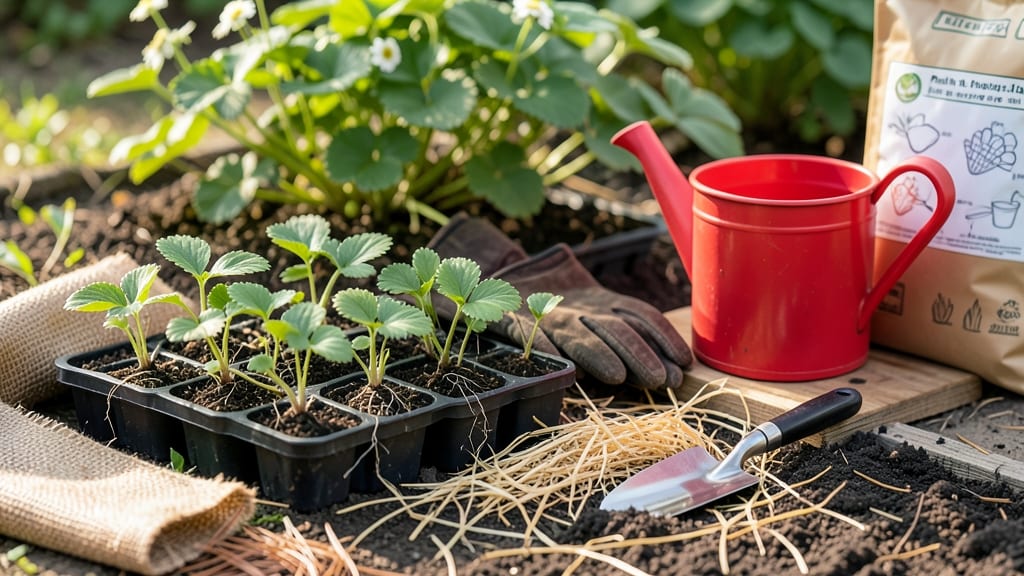
Planting strawberries in Oklahoma at the wrong time can mean the difference between a sweet, bountiful harvest and wasted effort. With Oklahoma’s diverse climate zones—ranging from 6a in the Panhandle to 8a in the southeast—timing your 🍓 planting just right is crucial for survival and productivity.
Most gardeners in Oklahoma swear by early spring or late summer planting, but why? The key lies in avoiding late frosts in March and the brutal summer heat that can stress young plants.
Whether you’re growing June-bearing, everbearing, or day-neutral varieties, the best months depend on your specific microclimate and the type of strawberries you’ve chosen.
In this guide, I’ll break down the exact planting windows tailored to Oklahoma’s zones, including soil prep tips and variety-specific advice. You’ll learn how to maximize your yield while avoiding common mistakes that even experienced gardeners make—like planting too deep or ignoring soil pH.
Ready to grow strawberries that thrive in Oklahoma’s unique conditions? Let’s get started with the perfect planting schedule for your garden.
Best planting months for strawberries in Oklahoma by variety type
Oklahoma’s three main strawberry varieties—June-bearing, everbearing, and day-neutral—each thrive on different planting schedules. Your success depends on matching the variety to the right season and Oklahoma’s microclimates. For example, June-bearing strawberries need cold dormancy, while everbearing varieties produce fruit in two seasons.
Let’s break down the exact months for each type in Oklahoma’s USDA zones 6a-8a.
Most Oklahoma gardeners plant strawberries in early spring (March-April) or late summer (August-September). The best choice depends on your variety and local frost dates. In northern Oklahoma (zone 6a), frost can linger until mid-April, while southern Oklahoma (zone 8a) often sees frost-free springs by mid-March.
Always check the Oklahoma Mesonet for your county’s frost predictions before planting.
Here’s how to align your planting with Oklahoma’s climate:
For June-bearing strawberries, fall planting (October-November) is ideal in Oklahoma. The plants establish roots before winter, then burst into growth in spring, yielding a heavy June harvest.
In contrast, everbearing varieties like ‘Ozark Beauty’ produce fruit in both spring and fall, making them perfect for Oklahoma’s extended growing season.
Day-neutral varieties, such as ‘Seascape’ or ‘Albion,’ are the most flexible. They fruit continuously when temperatures stay above 50°F, making them ideal for Oklahoma’s hot summers. Plant them in late summer (August-September) to avoid the peak heat of July, or in early spring (March-April) for a staggered harvest.
Oklahoma’s Panhandle region (zone 6a) has the shortest growing season, so gardeners there should prioritize June-bearing varieties planted in late summer (August-September) for a spring harvest. Meanwhile, southeastern Oklahoma (zone 8a) can plant everbearing varieties year-round, with fall harvests extending into November.
Soil temperature is critical: strawberries need soil at least 40°F to thrive. In Oklahoma, this typically occurs by mid-March in the south and late March in the north. Use a soil thermometer to confirm before planting. If temperatures are still cold, wait or use row covers for protection.
Pro tip: Bare-root plants are cheaper and easier to plant in Oklahoma’s dry climate, but potted strawberries give you a head start in spring. If buying potted plants, look for well-rooted varieties like ‘Chandler’ (June-bearing) or ‘Fort Laramie’ (everbearing), both proven performers in Oklahoma trials.
After planting, mulch heavily with straw or pine needles to retain moisture and protect berries from Oklahoma’s intense sun. This is especially important in May and June, when temperatures often exceed 90°F. A thick layer of mulch keeps roots cool and reduces watering needs.
Timing your strawberry planting correctly in Oklahoma isn’t just about the calendar—it’s about understanding your microclimate. Whether you’re in frost-prone Lawton (zone 7a) or mild Tulsa (zone 7b), these guidelines will help you avoid frost damage and maximize your harvest.
Ready to plant? Grab your gloves and soil thermometer, and let’s get those strawberries in the ground at the perfect time for Oklahoma’s unique climate! 🌱🍓
How Oklahoma’s climate zones (6a-8a) change strawberry planting success
Oklahoma’s diverse climate zones—ranging from USDA Zone 6a in the Panhandle to Zone 8a in the southeast—drastically impact when and how you should plant strawberries. In Zone 6a, where frost lingers until mid-April, fall planting is your best bet to establish roots before winter.
Meanwhile, in Zone 8a, you can plant as late as October and still enjoy a harvest before the first frost.
Understanding your specific zone helps avoid frost damage or missed planting windows. For example, gardeners in Central Oklahoma (Zone 7a) have a longer fall window but must protect plants if late frosts sneak in.
Use the Oklahoma Mesonet to track local frost dates—this tool predicts when to plant with precision, saving you from costly mistakes.
🌡️ Adjust Planting Dates by Zone
- 📍 Zone 6a (Panhandle): Plant October 1–November 15 for spring harvest or March 1–April 15 for summer.
- 📍 Zone 7a (Central OK): Plant September 15–November 1 or February 15–March 30.
- 📍 Zone 7b–8a (Southeast OK): Plant August 1–October 15 or January 15–March 15.
⚠️ Pro Tip: Use row covers in Zone 6a to extend fall planting into early December.
For everbearing varieties like Seascape or Ozark Beauty, Oklahoma’s milder winters let you plant in both fall and spring. These varieties produce fruit in two waves: early spring and late summer.
In contrast, June-bearing varieties (like Chandler) need a chilling period—plant them in fall to ensure they flower in spring.
Soil temperature matters just as much as air temperature. Strawberries thrive when soil reaches 40°F—use a soil thermometer to confirm readiness. In Zone 8a, where soil stays warm longer, you can plant bare-root strawberries as late as December, but they’ll need shade cloth during Oklahoma’s scorching summers.
If you’re in Zone 6a, prioritize cold-hardy varieties like Albion or Jewel. These handle sub-zero temperatures better than tender varieties. In Zone 7b–8a, opt for heat-tolerant types like Cavendish or Sweet Charlie, which thrive in Oklahoma’s 100°F+ summers.
Finally, remember that microclimates within Oklahoma can shift planting dates by 2–4 weeks. A north-facing slope in Tulsa (Zone 7b) might frost earlier than a south-facing bed in Oklahoma City (Zone 7a). Always scout your garden’s unique conditions before committing to a planting schedule.