
Plants
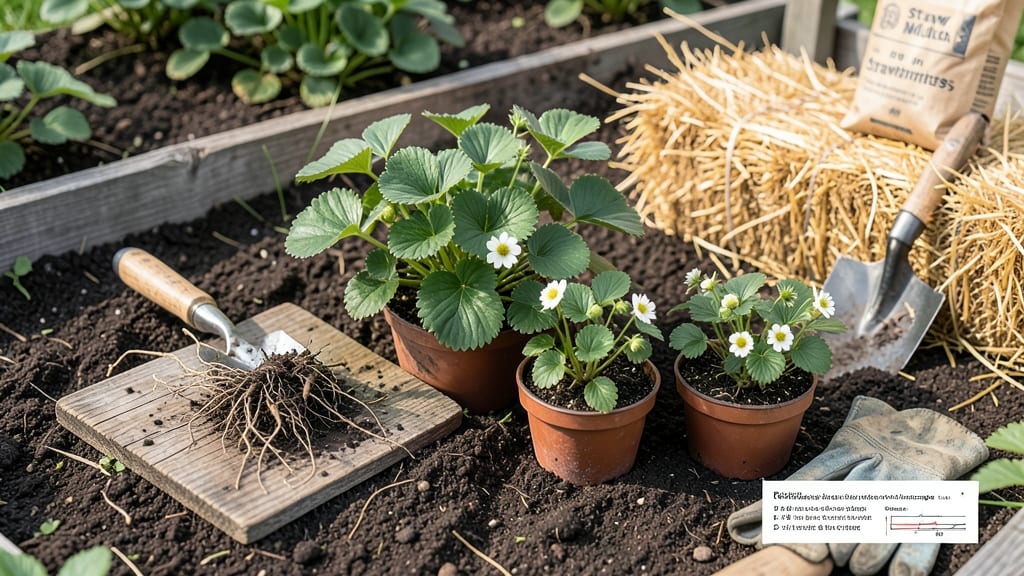
Timing your strawberry planting in Virginia can make or break your harvest—get it wrong, and you might end up with frost-nipped plants or no fruit at all. Virginia’s 7a-8a climate gives you two prime windows: early spring or late summer, but the devil’s in the details.
Most gardeners in Virginia plant 🍓 strawberries in March or April when the soil warms to 40°F and the last frost threat has passed (usually mid-April). But if you’re growing varieties needing 300-900 chill-hours, late summer planting in August can also work—just expect smaller yields the first year.
Whether you’re planting bare-root or potted strawberries, the key is matching your variety to Virginia’s humid summers and mild winters. Some types thrive with early spring planting, while others adapt better to late summer starts—we’ll break down which is best for your zone.
Skip the guesswork and learn how to time your planting for maximum sweet berries. From soil prep to frost protection, here’s your step-by-step guide to Virginia’s perfect strawberry schedule.
Virginia’s strawberry planting timeline: chill-hours & frost-free dates explained
Timing strawberry planting in Virginia isn’t just about the calendar—it’s about chill-hours, frost-free dates, and matching your USDA zone (5b-8a). Most Virginia growers plant in early spring (March-April) or late summer (August), but the best window depends on your location and the type of strawberries you’re growing.
Strawberries need 300-900 chill-hours (hours below 45°F) to fruit well. Northern Virginia (zones 5b-6a) requires closer to 900 chill-hours, while southern Virginia (zones 7a-8a) can thrive with just 300-500 chill-hours. Planting too early risks frost damage, while waiting too long may delay your harvest.
Bare-root strawberries (the most common type) should go in the ground 4-6 weeks before your last frost date. In Virginia, that’s typically mid-March to early April in the north and late February to March in the south. Potted strawberries, however, can handle slightly earlier planting since they adapt faster.
For fall planting, aim for 6-8 weeks before first frost (mid-September to early October). This gives roots time to establish before winter dormancy. Fall-planted strawberries often yield earlier and larger berries the following spring, but they require extra mulch to protect against freezing.
If you’re in USDA zone 7a or warmer, focus on everbearing or day-neutral varieties like ‘Seascape’ or ‘Albion’, which tolerate fewer chill-hours. These can even be planted in late winter (January-February) for an early harvest. Just ensure soil temperatures stay above 40°F to avoid root rot.
One common mistake is planting strawberries too close to the last frost date. A late freeze can kill emerging plants. Use a frost watch or local extension service alerts to time your planting precisely.
For example, in Roanoke (zone 6b), aim for March 15-30, while in Norfolk (zone 8a), February 20-March 15 works best.
For container gardening, you have more flexibility. Potted strawberries can be planted 2-3 weeks earlier than bare-root varieties since they warm up faster. Just ensure your containers have drainage holes and use a lightweight potting mix to prevent waterlogging during Virginia’s humid summers.
After planting, mulch heavily with straw or pine needles to retain moisture and regulate soil temperature. In spring, remove mulch temporarily to let soil warm up for planting, then replace it once plants are established. This simple step can double your yield by protecting roots from temperature swings.
Remember: Virginia’s humidity and pests (like slugs and spider mites) peak in summer. Planting in early spring gives your strawberries a head start before these challenges arise. If you choose fall planting, prioritize disease-resistant varieties like ‘Chandler’ to combat fungal risks from wet autumn weather.
Virginia’s strawberry planting timeline: chill-hours & frost-free dates explained
Planting strawberries in Virginia requires careful timing because the state spans USDA zones 5b-8a, creating microclimates with varying frost risks.
Most gardeners in Virginia’s cooler northern zones (5b-6a) should aim for early spring planting (March-April) to avoid late frosts, while southern zones (7a-8a) can also try late summer planting (August) for a fall harvest.
The secret to success lies in chill-hours—most Virginia varieties need 300-900 hours below 45°F to fruit properly. If you plant too early, your strawberries may get frost damage, and if you wait too long, they won’t get enough winter chill. Let’s break down the exact windows for your zone.
| Planting Window | Best Months | Chill-Hours Needed | Soil Temp Requirement | Frost Risk |
|---|---|---|---|---|
| Early Spring | March-April | 300-900 hrs | 40°F+ | High (northern VA) |
| Late Summer | August | 300-600 hrs | 50°F+ | Low (southern VA) |
| Fall (Bare-Root) | October-November | 600-900 hrs | 45°F+ | Moderate |
For bare-root strawberries, the best time is March-April when the ground thaws but before new growth starts. Check your local last frost date—most of Virginia’s northern regions (like Roanoke) see frost until mid-April, while southern areas (Richmond) are usually frost-free by early March.
If you’re planting potted strawberries, you have more flexibility—you can plant as late as May in southern Virginia, but yields will be smaller. The key is ensuring your plants get enough chill-hours before flowering.
For example, ‘Chandler’ (June-bearing) needs 600+ chill-hours, while ‘Seascape’ (everbearing) thrives with just 300-400 hours.
Pro tip: Use row covers if planting in late March to protect against unexpected frosts. And always plant the crown (where leaves meet roots) at soil level—burying it too deep causes rot, while planting too high leads to poor root growth.
Remember, Virginia’s humid summers mean strawberries need well-draining soil and mulch to prevent fungal diseases. Once planted, keep soil consistently moist but avoid soggy conditions—this is critical for fruit development.