
Flowers
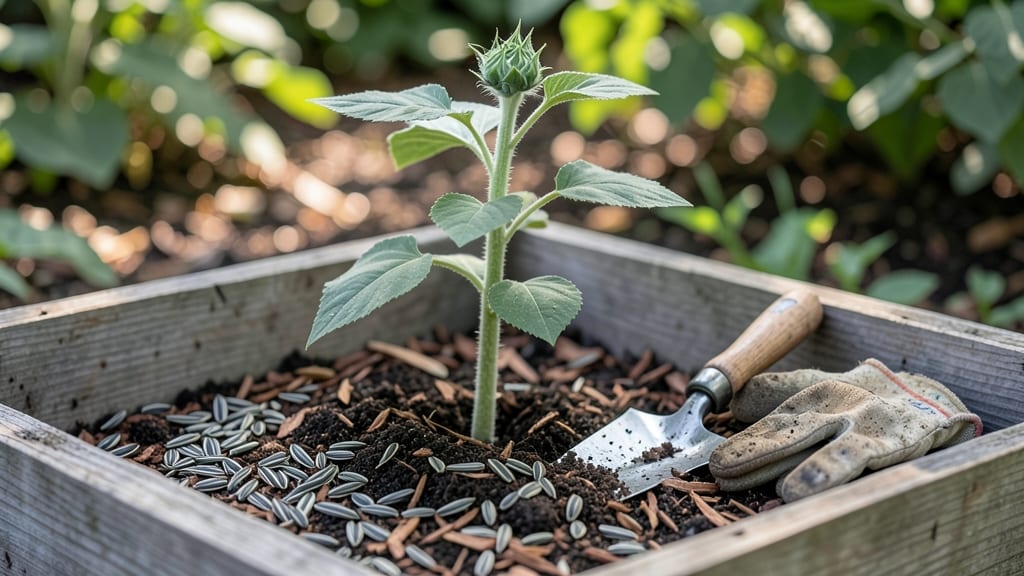
Planting sunflowers in Georgia at the right time could mean the difference between stunning 10-foot giants and underwhelming shrubs. The key window—mid-April through mid-June—aligns perfectly with Georgia’s 7b-8a climate, ensuring your 🌻 thrives in the warm, long growing season.
But here’s the catch: timing varies by region. Coastal areas can start earlier, while Piedmont and mountain zones may need to wait until after the last frost date (March 15).
Get it wrong, and you risk bolting too fast or stunted growth—neither of which you want for those iconic blooms.
Whether you’re a beginner or a seasoned gardener, I’ll break down the best planting dates for your specific corner of Georgia. You’ll also discover which sunflower varieties perform best in heat and humidity, plus pro tips to extend your blooming season.
Ready to grow sunflowers that turn heads? Let’s dive into the exact dates and techniques that’ll have your garden bursting with color from late summer through fall.
Georgia sunflower planting dates by region: coastal vs. Piedmont vs. mountain
Georgia’s diverse climate zones mean your sunflower planting timeline depends heavily on where you live. The state spans from coastal humidity to mountain highlands, creating distinct windows for optimal growth. Let’s break down the best times to plant in each region to ensure those iconic sunflower blooms thrive.
For coastal Georgia (like Savannah or Brunswick), the mild winters and extended growing season allow for earlier planting. Meanwhile, Piedmont (Athens, Macon) and mountain regions (Blue Ridge) have shorter frost-free periods, requiring later starts. Understanding these differences helps you avoid late frosts or summer heat stress.
🌱 Georgia Sunflower Planting Guide by Region
| Region | Best Planting Window | Frost-Free Dates | Key Considerations |
|---|---|---|---|
| Coastal (Zone 8a) | Mid-March to early May | Feb 15 - Dec 15 | Humidity-tolerant varieties; watch for fungal diseases |
| Piedmont (Zone 7b-8a) | Late April to mid-June | March 15 - Nov 1 | Classic growing season; ideal for giant varieties |
| Mountain (Zone 7a) | Early May to late June | April 1 - Oct 15 | Shorter season; opt for dwarf or fast-maturing types |
⚠️ Pro Tip: Use soil thermometers to confirm 60°F+ soil temps before planting—critical for germination in cooler mountain areas.
If you’re in coastal Georgia, you can even try a second planting in late summer (August) for fall blooms, though these may mature more slowly. For Piedmont gardeners, focus on late April to early May to avoid late spring frosts that can damage young seedlings.
Mountain regions like Dahlonega or Blairsville should wait until after May 15 to ensure warm soil temperatures. These areas also benefit from black plastic mulch to warm the soil faster and extend the growing season.
Don’t overlook microclimates within your region. A south-facing garden in Atlanta might be 5-10°F warmer than a shaded spot, allowing for earlier plantings. Always monitor local frost forecasts from the National Weather Service for real-time adjustments.
For container growing, coastal gardeners can start seeds indoors in February and transplant after the last frost. Mountain gardeners should wait until mid-May to avoid transplant shock from sudden temperature swings.
Remember: Sunflowers thrive on heat, but prolonged temperatures above 90°F can stress plants. In Piedmont and mountain areas, prioritize late afternoon shade during peak summer months to protect young plants.
Finally, consider your sunflower variety—taller types need more time to mature, while dwarf varieties can handle later plantings. We’ll dive deeper into variety-specific timing in the next section!
Best sunflower varieties for Georgia’s climate and their ideal planting times
Georgia’s diverse climate means not all sunflower varieties thrive equally—some handle the Piedmont heat better, while others excel in coastal humidity. Choosing the right variety ensures your sunflowers grow tall, strong, and vibrant. Let’s explore the top options and their perfect planting windows for Georgia’s USDA Zones 7b-8a.
For giant sunflowers like Russian Giant or Mammoth, aim to plant seeds in mid-April to early May. These varieties need 90-120 days to mature, so timing is critical to avoid late-season heat stress.
In northern Georgia, push planting to late April to ensure blooms appear before the first frost in November.
Dwarf varieties like Teddy Bear or Sunspot are ideal for containers or small gardens. Plant these mid-May to June—they mature faster (50-60 days) and tolerate Georgia’s summer heat better than their towering cousins. Their shorter stature also makes them less prone to wind damage common in coastal areas.
🌻 Sunflower Variety Comparison for Georgia
| Variety | Height | Days to Mature | Best Planting Window | Georgia Adaptability |
|---|---|---|---|---|
| Russian Giant | 12-16 ft | 90-120 days | Mid-April to early May | Piedmont/Valley (needs space) |
| Teddy Bear | 1-3 ft | 50-60 days | Mid-May to June | Coastal/Urban (heat-tolerant) |
| ProCut | 5-6 ft | 60-70 days | Late April to May | All regions (great for cut flowers) |
| Autumn Beauty | 3-5 ft | 70-80 days | Early June (late blooms) | Mountain/Highland (longer season) |
💡 Pro Tip: Coastal areas can plant dwarf varieties as late as June 15 for fall blooms.
If you’re growing sunflowers for seeds (like Mammoth or Autumn Beauty), prioritize early spring planting to avoid mold from Georgia’s humid summers. For cut flowers, ProCut or Sunrich varieties planted in late April yield stems ready for harvest by July-August, just in time for summer arrangements.
For succession planting, try a mix of early and late varieties. Plant Russian Giant in April and Autumn Beauty in June to enjoy blooms from July through October. This extends your harvest window and keeps your garden vibrant all season long.
Remember, Georgia’s clay-heavy soils can slow germination. Amend planting beds with compost or sand to improve drainage, especially for giant varieties that need deep roots. Mulch around seedlings to retain moisture during Georgia’s hot, dry spells in late summer.