
Plants
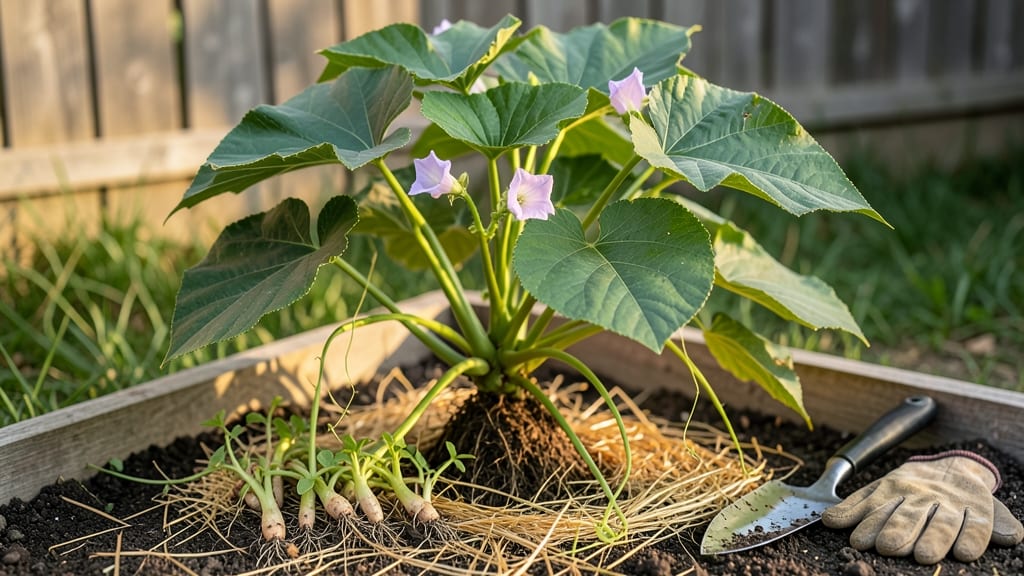
If you’ve ever planted 🍠 sweet potatoes in Louisiana only to watch your slips wilt or your harvest shrink, timing is the missing piece.
The state’s warm climate makes it ideal for growing these nutritious tubers—but getting the soil temperature right is the key to fast, slip-free growth and a bountiful fall harvest.
Most gardeners in zones 8a-9b assume spring is the only window, but Louisiana’s long growing season actually offers two planting opportunities: early spring (March-June) and late summer (August-September).
The difference between these windows isn’t just about months—it’s about soil warmth, which directly impacts how quickly your slips root and how plump your sweet potatoes grow.
Here’s what you need to know: Planting too early when soil is still cool can stunt your crop, while waiting too late might mean smaller yields.
I’ll show you exactly how to use soil temperature as your guide, plus regional tweaks for North vs. South Louisiana, so you can time your plantings for maximum success.
Ready to transform your sweet potato patch from hit-or-miss to consistently fast and flavorful? Let’s break down the science—and the simple steps—to get it right every time.
Louisiana sweet potato planting calendar: soil temperature triggers for success
Louisiana’s long, hot growing season gives you two prime windows to plant sweet potatoes: spring and late summer. But timing matters—plant too early when soils are still chilly, and your slips will rot. Too late, and you risk hurricane season or first frost cutting your harvest short.
Here’s the golden rule: Wait until soil temperatures hit 60°F consistently for at least 5 inches deep. Use a soil thermometer (they’re cheap and game-changing) to avoid guesswork. In Louisiana’s USDA Zones 8a-9b, this typically lands in March-April for spring and August-September for late summer.
Northern Louisiana (like Shreveport) may need to wait until mid-April due to cooler soils, while New Orleans and Baton Rouge can often start as early as late February if winters are mild. Southern regions like Lake Charles might even squeeze in a January planting in exceptionally warm years.
🌱
| Region | Ideal Planting Window | Soil Temp Trigger | Key Risks |
|---|---|---|---|
| Northern LA (Shreveport, Monroe) | Mid-April to early May | 60°F+ for 5+ days | Late frosts, slower growth |
| Central LA (Alexandria, Lafayette) | Late March to mid-April | 60°F+ consistently | Hurricane season overlap |
| Southern LA (New Orleans, Baton Rouge) | Late February to early March | 58°F+ (warmer soils) | Pests (sweet potato weevils) |
| Southwest LA (Lake Charles) | January to February (mild years) | 55°F+ (early warm-up) | Drought stress |
| Late Summer Window (All Regions) | August to early September | 60°F+ (soil warms again) | Hurricane damage |
For a continuous harvest, I recommend staggering plantings: start with 20% of your slips in the earliest window, then add 30% two weeks later, and another 50% a month after.
This spreads out your harvest timeline from October through December, giving you sweet potatoes when they’re at their peak flavor.
Pro tip: If you’re planting in raised beds, they’ll warm up 1-2 weeks faster than in-ground soil. Use black plastic mulch to speed up soil warming by 5-10°F—just lay it down 2-3 weeks before planting to let it heat up.
Watch for soil moisture too—dry soils heat up faster than wet ones. After planting, keep the soil consistently moist (not soggy) to help slips establish roots. A drip irrigation system on a timer is my go-to for Louisiana’s unpredictable rains.
💧
Don’t stress if you miss the spring window. Louisiana’s climate is forgiving—late summer plantings often yield just as well, especially if you choose heat-tolerant varieties like Beauregard or Centennial.
Just be sure to harvest before first frost (usually around December 1), or the vines will die back and sweetness will drop.
🌿
Remember: Soil temperature > air temperature. A sunny 80°F day doesn’t mean your soil is ready—check with a thermometer. And if you’re in hurricane country, have a backup plan for protecting your plants if a storm hits during the growing season.
Louisiana sweet potato planting calendar: soil temperature triggers for success
Timing your sweet potato plantings in Louisiana isn’t just about the calendar—it’s about soil temperatures. Sweet potato slips are cold-sensitive, and planting too early when soils are still chilly (below 60°F) leads to slimy, diseased slips that never thrive.
My rule of thumb? Wait until the ground consistently hits 60°F+ at a 4-inch depth.
Louisiana’s climate varies by region, so I’ve broken down the ideal planting windows for North, Central, and South Louisiana. Even a 10°F difference in soil temp can mean the difference between a bumper crop and a failed patch. Let’s dive into the exact triggers that work for each zone.
| Region | Ideal Planting Window | Soil Temp Trigger | Notes |
|---|---|---|---|
| North Louisiana (Shreveport, Monroe) | Late April - Early June | 60°F+ (after last frost) | Cooler soils; extend row covers for early slips. |
| Central Louisiana (Baton Rouge, Lafayette) | Mid-March - Late May | 60°F+ (earlier than North) | Warmest zone; can plant twice (spring + late summer). |
| South Louisiana (New Orleans, Houma) | Early February - Early July | 60°F+ (year-round potential) | Longest growing season; avoid summer heat stress. |
For continuous harvests, I recommend staggering plantings every 2-3 weeks during the primary window. For example, in Central Louisiana, I’ll plant slips in mid-March, late March, and early May to ensure a steady supply from October through December.
This works especially well for home gardeners who want fresh sweet potatoes all fall.
Don’t rely on air temperature alone! A soil thermometer is your best friend here. I keep mine buried at 4 inches deep and check it daily until the reading stabilizes above 60°F for at least 3 days. Pro tip: Morning readings are the most accurate because soil cools overnight.
If you’re in South Louisiana and tempted to plant in February, be cautious. While the soil may warm up, late frosts can still sneak in (especially in USDA Zone 8a).
I’ve seen slips wilt overnight when temps drop to 35°F, so always have row covers ready for early plantings.
For late-season plantings (August-September), focus on heat-tolerant varieties like Beauregard or Covington. These handle Louisiana’s summer humidity better and still produce harvestable tubers before the first frost in December. Just remember: Water deeply during these months to prevent stress from the heat.