
Plants
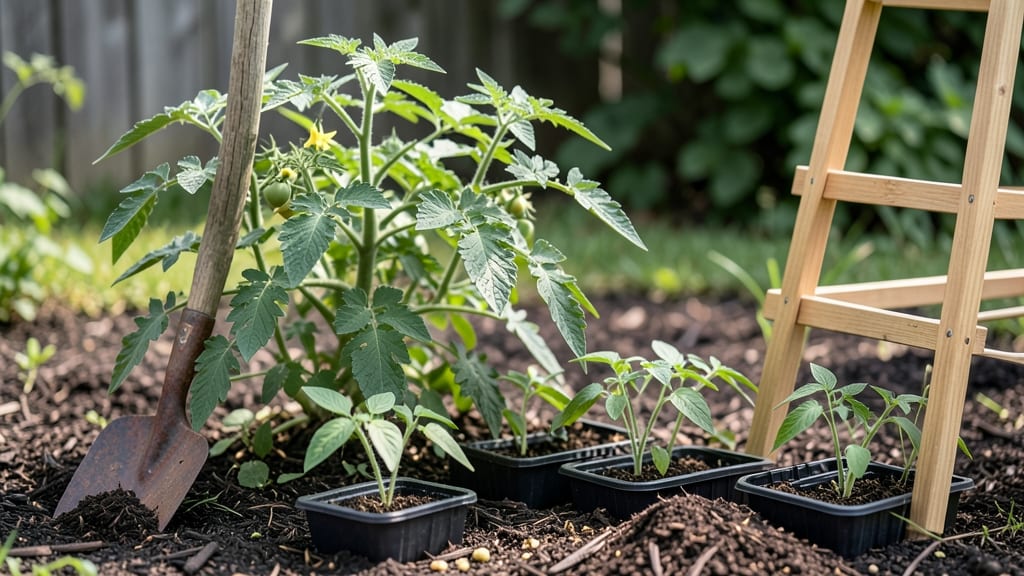
Planting tomatoes in North Carolina at the wrong time can turn your 🍅 dreams into frost-kissed disappointment—but getting the timing right means juicy, vine-ripened rewards straight from your garden.
The key isn’t just waiting for spring; it’s understanding how your specific USDA zone (like 7a-8b) interacts with last frost dates that shift from the Coastal Plain to the Mountains.
Most gardeners in North Carolina know the general rule: wait until after the last frost, which typically falls between March 15 and April 15. But here’s the catch—soil temperature matters just as much as air temperature.
Your tomatoes won’t thrive until the ground warms to at least 60°F, and nighttime temps stay above 50°F, which can mean waiting weeks longer in the Piedmont than in the Coastal Plain.
This guide breaks down the exact planting windows for your zone, plus proven strategies to extend your growing season with row covers or cold frames.
Whether you’re a first-time gardener or a veteran with frost-burned memories, you’ll learn how to calculate your true frost-free timeline—and why planting too early (or too late) can sabotage your harvest before it even starts.
Ready to turn your garden into a 🍅-filled paradise? Let’s dive into the science-backed dates and tricks that separate successful tomato growers from those who end up with sad, wilted plants. Your future salads are waiting.
North Carolina tomato planting dates by USDA hardiness zone (with frost risk analysis)
North Carolina spans USDA Zones 6a to 8b, meaning your tomato planting window varies dramatically from the Coastal Plain to the Mountains.
In Zone 6a (western NC), you’ll wait until late April or May after frost, while Zone 8b (eastern NC) gardeners can start as early as mid-March—but only if soil temperatures stay above 60°F.
Don’t rely on calendar dates alone! The NC State Extension tracks historical frost data, and their records show last frost dates can shift by 2-3 weeks between years.
For example, Raleigh (Zone 7b) averages its last frost on April 15, but 2022 saw frost linger until May 3—costing some gardeners their early plantings.
Here’s the key rule: Plant tomatoes only after nighttime temperatures consistently stay above 50°F. Cold snaps below 50°F stunt growth, and soil temps under 60°F delay germination. Use a soil thermometer ($10 at garden centers) to confirm readiness—this is your #1 frost-proofing tool.
🌱
For Zone 6a gardeners, I recommend starting tomato seeds indoors in mid-February to give seedlings a head start. Use grow lights (not just windowsills) to prevent leggy plants. Transplant outdoors only after May 15, even if seedlings look robust—cold soil kills roots faster than you think.
In Zones 7b and 8a, you can also plant a fall crop for late-season harvests. Seedlings started in July can produce tomatoes until first frost (typically November 1–15). Choose determinate varieties like ‘Celebrity’ or ‘Roma’, which ripen faster than indeterminate types.
Microclimates matter! A south-facing slope warms <
How to extend your tomato growing season in North Carolina (cold frames, row covers, and more)
North Carolina’s USDA zones 6a-8b offer a surprisingly long growing season for tomatoes—but only if you know how to work with your climate.
In cooler zones like 6a (Mountains) or 7a (Piedmont), frost can linger until April 15 or later, while warmer zones like 8a (Coastal Plain) may see earlier last frosts. The good news?
With the right tools, you can push your planting window 2-4 weeks earlier or even squeeze in a fall harvest.
My top strategy? Row covers and cold frames create microclimates that protect seedlings from 28°F+ temperatures, while black plastic mulch warms soil faster. For gardeners in zones 6a-7a, these techniques can mean the difference between a June harvest and a May one—or even a second fall crop!
Here’s how to extend your season like a pro, with zero frost risk and maximum tomato productivity:
🌱 Season-Extending Strategies for NC Tomatoes
- 🔥 Start with cold-hardy varieties: Try 'Solar Fire' or 'Mountain Merit'—they tolerate 32°F+ and thrive in cooler soil.
- ❄️ Use row covers: Lightweight floating row covers raise soil temps by 2-5°F and protect seedlings until May 1 in most zones.
- ☀️ Warm soil with black plastic: Lay down 1-2 weeks before planting to hit 60°F soil temps faster—critical for germination.
- 🏡 Try a cold frame: A simple PVC hoop house with clear plastic can add 10-14°F of warmth, letting you plant 3 weeks earlier.
- 🌿 Transplant later in containers: Grow seedlings in biodegradable pots and move them after May 15 to avoid transplant shock.
- 🍅 Plan a fall crop: In zones 7b-8a, sow heat-tolerant varieties like 'Celebrity' in July for a September-October harvest.
Pro Tip: Combine row covers + black plastic for a 10°F soil boost—your seedlings will thank you!
For gardeners in zone 6a, where frosts can hit until May 10, I recommend starting seeds indoors under grow lights in February and hardening them off before transplanting with row covers.
In zone 8a, you can even plant bush varieties as early as March 15 if you use mulch to retain heat.
Don’t forget: Soil temperature is your true guide, not just air temperature. Use a soil thermometer to confirm 60°F+ before planting—cold soil delays germination and invites damping-off disease. If your soil is still chilly, wait another week or use a heat mat for containers.
With these tricks, you’ll turn North Carolina’s short growing season into a long, productive tomato festival—no matter which zone you’re in. 🌱