
Plants
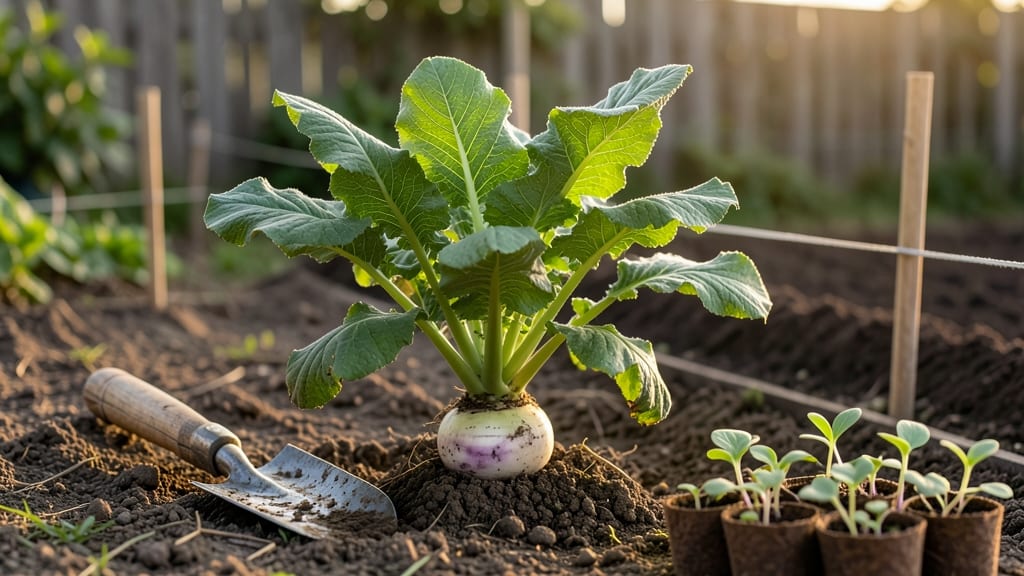
If you’ve ever wondered when do you plant turnips in Missouri for the best results, timing is everything—and getting it wrong can mean the difference between a crisp, sweet harvest and bitter disappointment.
Missouri’s 5b-6b climate zones bring unique challenges, from unpredictable frost dates to heavy clay soil that can stunt growth. But with the right planting schedule, you can avoid these pitfalls and enjoy turnips straight from your garden.
In this guide, I’ll walk you through the exact planting windows for both spring and fall crops, tailored to Missouri’s frost-free timeline. Whether you’re growing fast-maturing greens or hearty roots, you’ll learn how to time your plantings for maximum yield—no guesswork required.
From soil prep to succession planting, these strategies will help you beat Missouri’s unpredictable weather and enjoy turnips all season long.
Missouri turnip planting calendar: frost dates by zone and variety growth timeline
Missouri’s climate varies dramatically from the cool northern zones (5b) to the warmer southern regions (6b), making turnip planting a zone-specific puzzle. The key to success? Aligning your planting window with average frost dates and choosing varieties that mature before first fall frosts.
In northern Missouri, where frosts linger until mid-April, aim for early March starts under frost protection, while southern Missouri gardeners can plant as late as early April.
Turnips thrive in cool-season conditions, but they’ll bolt (go to seed) if exposed to heat over 80°F. This means fall plantings are often more reliable in Missouri, with seeds sown 6–8 weeks before first frost (typically late July to early August).
The fastest varieties like ‘Tokyo Cross’ (28–35 days) give you the most flexibility, while slower ‘Purple Top White Globe’ (50–60 days) need earlier starts.
Here’s your Missouri turnip planting timeline, broken down by zone, variety, and frost risk:
| Missouri Zone | Last Frost Date (Avg.) | Recommended Planting Windows | Fastest Varieties (Days) | Slowest Varieties (Days) | Key Risk |
|---|---|---|---|---|---|
| Northern (5b: e.g., St. Joseph, Kirksville) | April 15–May 1 |
Spring: March 1–15 (under frost cloth)
Fall: July 15–August 1 |
‘Tokyo Cross’ (28–35) | ‘Purple Top’ (50–60) | Late frost damage |
| Central (5b–6a: e.g., Columbia, Jefferson City) | April 1–15 |
Spring: March 15–April 1
Fall: July 20–August 10 |
‘Hakurei’ (30–35) | ‘Golden Globe’ (55–65) | Bolting in summer heat |
| Southern (6b: e.g., Springfield, Poplar Bluff) | March 15–April 1 |
Spring: February 20–March 30
Fall: July 25–September 1 |
‘Shinrin’ (30–35) | ‘White Egg’ (50–60) | Pest pressure (flea beetles) |
For direct sowing, Missouri gardeners should plant seeds ½ inch deep and 1–2 inches apart, thinning to 2–3 inches once seedlings emerge. If transplanting (less common for turnips), start seeds indoors 4–6 weeks before last frost and harden off seedlings for 7–10 days before setting them out.
Pro tip: Use row covers for early spring plantings in northern Missouri to extend the season by 2–3 weeks and protect against flea beetles, which love young turnip leaves. In southern Missouri, focus on shade cloth during summer to prevent bolting.
Missouri’s fall turnip harvests are often sweeter and less woody than spring crops, but timing is critical. Plant your last batch 6 weeks before first frost—any later, and roots may split or rot in cold soil.
For example, if your average first frost is October 15, aim for September 1 plantings.
Don’t forget: Turnip greens are edible too! Harvest outer leaves first to keep the plant producing, or pull the whole plant when roots reach 1–2 inches. In Missouri’s short growing season, succession planting every 2 weeks ensures a steady supply.
🌱
Spring vs. fall turnip planting in Missouri: which strategy works best for your goals
Missouri gardeners face a critical choice when planting turnips: spring or fall? Each season offers distinct advantages—and pitfalls—depending on your harvest goals. Spring plantings deliver early greens perfect for salads, while fall turnips develop sweeter roots and can be harvested well into winter with proper protection.
The key lies in understanding Missouri’s frost dates and soil conditions to maximize your success.
For spring planting, aim to sow seeds 4–6 weeks before your last frost date (typically mid-March to early April in most of Missouri). This timing ensures seedlings emerge when soil temperatures hit 50–75°F, preventing stunted growth.
Fast-maturing varieties like ‘Tokyo Cross’ (28–30 days) are ideal for spring, as they avoid the risk of bolting (flowering prematurely) that plagues slower varieties in Missouri’s unpredictable spring weather.
🌱 Spring Planting vs. Fall Planting: Missouri-Specific Pros & Cons
Spring Planting
- ✅ Pros: Early greens for salads, faster turnover, less bolting risk with proper spacing
- ❌ Cons: Roots may be woody if harvested late, higher pest pressure (flea beetles)
Fall Planting
- ✅ Pros: Sweeter roots, extended harvest into winter, fewer pests
- ❌ Cons: Requires precise timing, risk of frost damage if planted too late
*Fall plantings thrive when sown 6–8 weeks before first frost (typically July–early August in Missouri).
Fall turnips, however, are where Missouri gardeners truly shine. Plant seeds 6–8 weeks before your first frost (usually July to early August), giving roots time to mature before winter sets in.
Varieties like ‘Purple Top White Globe’ (50–60 days) excel in fall, developing sweeter, more tender roots when exposed to light frosts. To protect your crop, apply straw mulch (4–6 inches thick) once temperatures dip below 30°F—this insulates roots and extends harvests until December or January in mild winters.
Missouri’s heavy clay soil can be a challenge for both spring and fall turnips, but amending beds with compost and sand improves drainage and prevents forked roots. For spring plantings, focus on succession sowing every 2 weeks to ensure a steady supply of greens.
In fall, prioritize well-drained beds to avoid waterlogged soil, which can rot roots before harvest. Both strategies require consistent moisture—water deeply 1–2 times per week to encourage even growth.
If you’re torn between seasons, consider both! Many Missouri gardeners plant spring turnips for greens and fall turnips for roots, creating a year-round harvest. Just remember: spring turnips demand vigilance against pests like flea beetles, while fall turnips require precise timing to avoid frost damage.
With the right approach, you can enjoy crisp, homegrown turnips from May through December—no gamble needed!
🌿