
Flowers
Missouri last frost dates by region: when flowers can stay safe
Missouri’s diverse climate zones mean your last frost date could vary by weeks, depending on where you live. Northern regions like St. Louis County often see frost until mid-April, while southern areas near Springfield may thaw by early March.
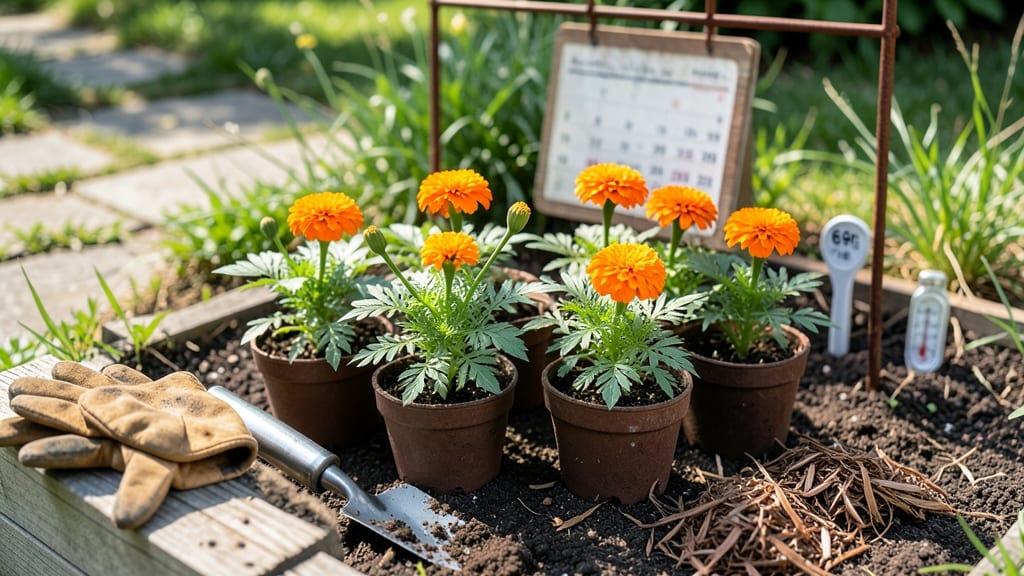
These differences determine when it’s safe to plant frost-sensitive flowers like marigolds or petunias.
For annual flowers, wait until 2-3 weeks after your region’s average last frost date. Perennials and cold-hardy varieties (like coneflowers) can handle cooler soil, but tender plants need warmth. Always check your USDA Zone (Missouri ranges from 5a-7a) for extra precision.
| Region | Avg. Last Frost | Safe Planting Window | Notes |
|---|---|---|---|
| Northern Missouri (e.g., Kansas City) | April 15-30 | May 1-15 | Wait for soil to warm above 50°F. |
| St. Louis Metro | April 1-15 | April 20-May 5 | Urban areas may warm faster. |
| Central Missouri (e.g., Columbia) | March 25-April 5 | April 10-25 | Ideal for early spring bloomers. |
| Southwest Missouri (e.g., Springfield) | March 10-20 | March 25-April 10 | Plant heat-loving flowers after April 15. |
| Missouri Bootheel (e.g., Poplar Bluff) | February 25-March 10 | March 15-April 1 | Longest growing season in MO. |
Missouri’s first frost typically arrives between October 15-30, giving you a second chance to plant cool-season flowers like pansies or sweet alyssum. These hardy varieties thrive in 50-60°F soil and can bloom until winter’s first freeze.
For container gardening, you can start 2-4 weeks earlier since pots warm faster. Just move them indoors if frost threatens. Always monitor your local weather forecasts—unpredictable late frosts happen even after the average date.
Pro tip: Use row covers or cloche tunnels to extend your planting window by 2-3 weeks in cooler zones. These protect young plants from light frosts (below 28°F) while letting them soak up sunlight.
Missouri’s USDA Zone 5a/6a areas (north) need extra caution. Hardy perennials like black-eyed Susans or daylilies can handle 32°F temps, but tender annuals like geraniums must wait until soil is consistently above 55°F.
Don’t forget about fall planting! Many cool-season flowers thrive when planted in late summer (August-September), giving them time to establish roots before winter. This strategy ensures early spring blooms the following year.
For accurate local data, check resources like the Missouri Botanical Garden’s frost maps or your local Cooperative Extension Service. These tools account for microclimates (like hills or valleys) that can shift frost dates by 1-2 weeks.
When in doubt, follow the “5-10-15 Rule”: Wait until the 5th of May in northern MO, 10th of April in central, or 15th of March in southern regions. This simple guideline keeps most gardeners safe from late frosts.
How to use frost date maps to avoid common gardening mistakes
Missouri’s last frost dates vary by region and elevation, so blindly following a single calendar can spell disaster for your flower beds. I’ve seen firsthand how late frosts in April can turn vibrant petunias into icy mush overnight.
The key is understanding how to read frost maps and adjust for your specific microclimate—whether you’re in St. Louis’s urban heat island or a rural northern county.
Start by checking the USDA Plant Hardiness Zone Map for your exact location—Missouri spans zones 5a to 7a. While this tells you which perennials will survive winter, it doesn’t account for spring frost timing.
For example, zone 5a (northern Missouri) typically has its last frost around May 1, while zone 6b (central Missouri) averages April 15. These dates are your planting triggers, but they’re not set in stone.
Here’s where most gardeners go wrong: they assume the average last frost date is the safe planting date. In reality, you should wait 2-3 weeks after the average date to account for unpredictable late frosts.
For instance, if your region’s average last frost is April 10, don’t plant tender annuals until May 1. This buffer gives your seedlings time to establish roots before summer heat arrives.
🚨 3 Critical Mistakes Missouri Gardeners Make
- Ignoring microclimates: A south-facing slope warms up faster than a north-facing valley. Plant heat-loving flowers like zinnias on slopes first.
- Planting too early: Even cold-hardy pansies can suffer if nighttime temps dip below 25°F. Check your extended forecast for 3 consecutive nights above 40°F.
- Skipping soil prep: Cold soil slows root growth. Amend with compost in early spring to warm the soil faster.
Another common pitfall is overestimating frost protection. Row covers and cloche tunnels can buy you 2-4 weeks of extended season, but they’re not foolproof. For example, heavy mulch around perennial roots can protect them down to 10°F, but annuals still need above-40°F soil temps to thrive.
Test your soil temperature with a soil thermometer—it should be at least 50°F for most flowers to germinate properly.
Pro tip: Use frost-free date calculators like the National Oceanic and Atmospheric Administration (NOAA) maps, which factor in historical data and local weather patterns.
For instance, Columbia’s last frost date might average April 15, but if NOAA shows your area has a 30% chance of frost on April 30, delay planting tender flowers like marigolds until May 15. Patience here means bigger blooms and healthier plants.
Finally, don’t forget about fall planting for cool-season flowers. Many gardeners focus only on spring, but pansies, snapdragons, and calendulas can be planted 6-8 weeks before your first frost (typically mid-September to early October in Missouri).
These early bloomers will give you color through winter and early spring, extending your garden’s seasonal interest.