
Plants
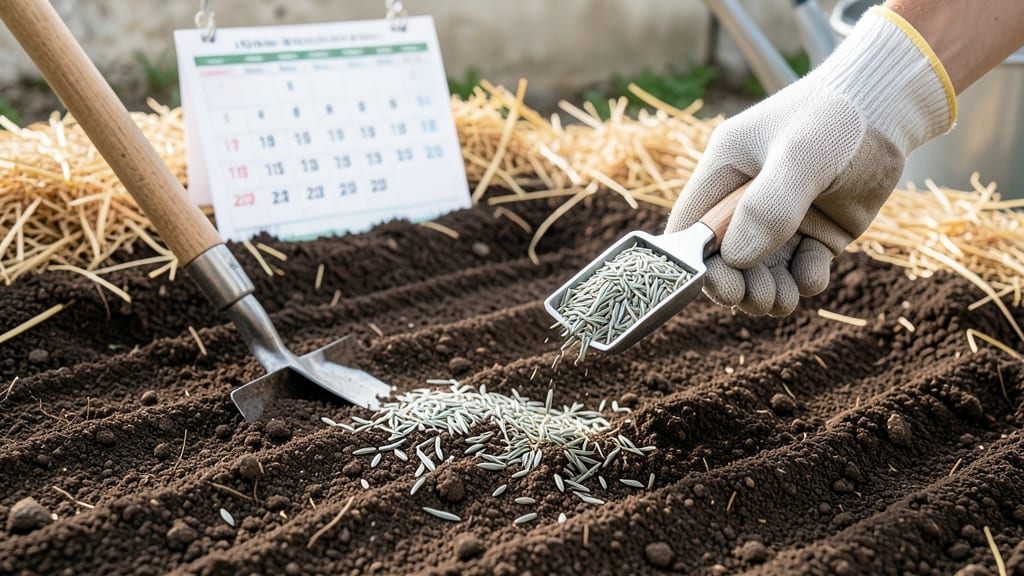
Timing your grass seed planting wrong in spring can turn your dream green lawn into a patchy, struggling mess—especially in Zone 6a where temperatures swing wildly. The difference between a lush carpet of 🌱 grass seed and wasted effort often comes down to one critical factor: soil temperature.
You’ve probably heard “plant in early spring,” but that’s too vague. The real secret lies in waiting until the ground warms to at least 50°F—a threshold that ensures seeds germinate quickly and roots establish before summer heat arrives.
Skip this step, and you risk frost damage, slow growth, or even fungal problems that can derail your lawn before it starts.
In this guide, I’ll break down the exact window for planting in your region, plus how to test soil temperature without fancy tools. You’ll also learn why late April (not March!) is often the sweet spot for Zone 6a—and how to adjust if you’re in a cooler microclimate.
Let’s get your lawn off to the right start.
Whether you’re seeding a new yard or patching bare spots, these insights will save you time, money, and frustration. By the end, you’ll know not just when to plant, but how to set it up for success from day one.
The ideal soil temperature range for planting grass seed in spring
Timing your grass seed planting is all about soil temperature—not just air temperature. Seeds need warmth to germinate, but planting too early risks frost damage or fungal growth.
The ideal soil temperature range for most grass seeds is between 50°F and 75°F, with variations depending on your grass type. Cool-season grasses like Kentucky bluegrass and fescue thrive at the lower end (50°F–65°F), while warm-season grasses like Bermuda and Zoysia prefer the upper range (65°F–75°F).
Why does this matter? Grass seeds won’t sprout if the soil is too cold, and planting in frost-prone conditions can kill young seedlings. Even if the air feels warm, the ground might still be chilly—especially in northern climates or shaded areas.
Always check soil temperature before planting to avoid costly mistakes.
Here’s how to test your soil temperature without a fancy thermometer: Stick a meat thermometer (cleaned!) 2–3 inches deep into the soil on a sunny day. If it reads below 50°F, wait a few more weeks.
Most regions hit this window in late April to early May, but this varies by USDA hardiness zone.
| Grass Type | Ideal Soil Temp | Best Planting Window | Regional Note |
|---|---|---|---|
| Cool-Season (Kentucky Bluegrass, Fescue) | 50°F–65°F | Early to mid-spring (March–April) | Northern US (Zones 3–6) |
| Warm-Season (Bermuda, Zoysia, St. Augustine) | 65°F–75°F | Late spring (May–June) | Southern US (Zones 7–11) |
| Ryegrass (Fast-Germinating) | 45°F–60°F | Early spring (Feb–March) | Transition zones (Zones 5–8) |
Regional differences play a huge role. In the Northern Hemisphere, aim for planting 4–6 weeks before the last frost date. For example, in Zone 5, that’s often early April, while in Zone 9, you might wait until May.
Always double-check your local frost dates—planting too early can leave seedlings vulnerable to late frosts.
Another pro tip: If your soil is too cold but you’re eager to plant, consider a starter fertilizer with phosphorus to jumpstart root growth. This helps seeds germinate faster once temperatures rise. Just avoid high-nitrogen fertilizers early—they can burn tender seedlings.
For shady lawns, warm-season grasses like fine fescue are better suited, but they still need soil temps above 55°F to thrive. If your yard is partially shaded, test soil temps in both sunny and shady spots—they can vary by 10°F or more!
One more critical factor: consistent warmth. Even if the soil hits 50°F, if nighttime temps drop below freezing, germination will stall. Use a lightweight row cover or mulch to insulate seeds if early spring brings unpredictable weather.
Ready to test your soil? Grab that thermometer and check in the morning (soil is coolest then). If it’s in the 50°F–75°F range and frost isn’t forecasted, you’re golden—it’s time to plant!
The ideal soil temperature range for planting grass seed in spring
Timing your grass seed planting depends on soil temperature more than air temperature. Cool-season grasses like Kentucky bluegrass and fescue thrive when soil reaches 50°F–65°F, while warm-season grasses like Bermuda and Zoysia need 65°F–75°F.
Planting too early risks frost damage, and too late means missed growing season. Most regions hit this window in late April to early May, but check your local USDA hardiness zone for precision.
To test soil temperature without a fancy thermometer, press your hand into the ground for 5 seconds. If it feels warm but not hot, it’s likely in the 50°F–65°F range.
For cooler climates (Zones 3–5), aim for early April when frost risk drops. Warmer zones (Zones 7–10) can plant as late as mid-May without stressing the seed.
| Grass Type | Ideal Soil Temp (°F) | Best Planting Window | Key Tip |
|---|---|---|---|
| Cool-Season (Fescue, Bluegrass) | 50°F–65°F | Late April–Early May | Plant 4–6 weeks before last frost |
| Warm-Season (Bermuda, Zoysia) | 65°F–75°F | Mid-May–Early June | Wait until soil stays warm consistently |
| Ryegrass (Fast-Germinating) | 45°F–60°F | Early April–Late April | Great for overseeding in cooler months |
Regional differences matter! In the Northern U.S. (Zones 3–5), aim for late April when daytime highs hit 60°F consistently. Southern states (Zones 7–10) can wait until mid-May to avoid summer heat stress. Always check a 7-day forecast for stable temps—fluctuations below 50°F can stall germination.
Pro tip: Use a soil thermometer ($10 at garden centers) for accuracy. Bury it 2 inches deep (where seeds will be) and check daily. If temps dip below 50°F at night, delay planting by 1–2 weeks to avoid frost damage.
Mulch lightly with straw after planting to retain heat and moisture.
Don’t overlook moisture levels—dry soil can prevent seeds from sprouting even at ideal temps. Water lightly daily (not soggy!) until you see green sprouts in 7–21 days. For cool-season grasses, aim for 1 inch of water per week; warm-season grasses need 1.5 inches once established.
Remember: Soil temp > Air temp for germination. Test your ground—your lawn’s success depends on it! 🌱