
Planting
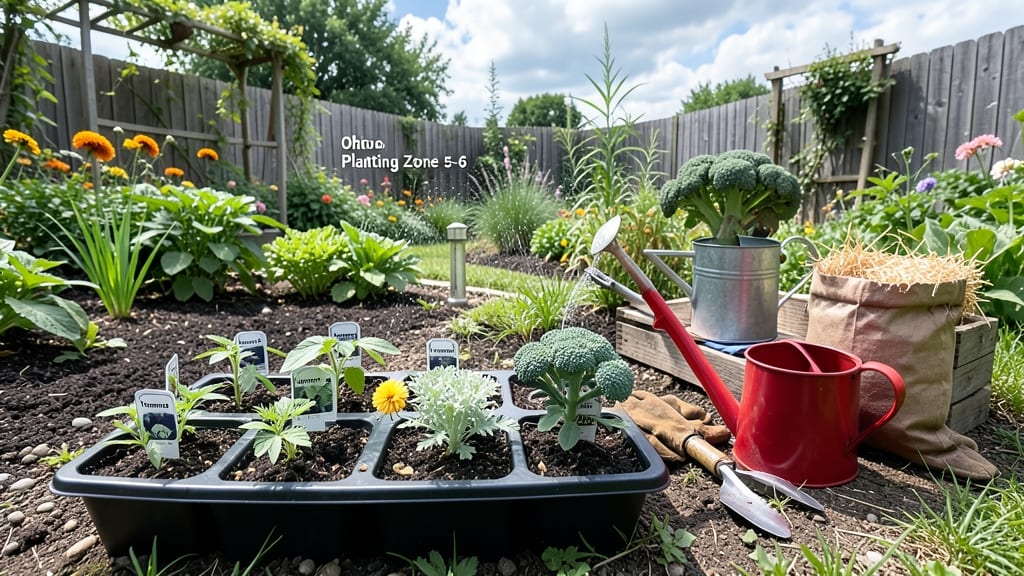
Timing your garden planting in Ohio isn’t just about the calendar—it’s about beating frost, soil warmth, and your specific zone’s quirks.
The best time to plant a garden in Ohio hinges on whether you’re in southern Ohio’s milder Zone 6b or northern Ohio’s frost-pricier Zone 5a, where even a late April surprise freeze can wipe out your seedlings.
Most Ohio gardeners swear by mid-April for cool-season crops like lettuce and peas, but warm-season favorites—tomatoes, peppers, and basil—need to wait until after the last frost date, which can stretch into early May.
Skipping this step means risking stunted growth or total crop failure, and trust me, no one wants to watch their hard work turn into a sad, wilted memory.
I’ve spent years tracking Ohio’s frost patterns, and the key is knowing your zone’s 10-year averages—not just last year’s luck.
Whether you’re a beginner or a seasoned gardener, this guide will walk you through the exact deadlines for planting everything from flowers to vegetables, so you can maximize your harvest without the guesswork.
Ready to turn your Ohio garden into a thriving oasis? Let’s dive into the zone-specific planting schedule that’ll have your plants growing strong from spring through fall—no frost mishaps included.
Ohio planting zones & last frost dates: your 2024 calendar
Ohio spans USDA Zones 5a through 6b, meaning frost dates can vary by 2-3 weeks between northern and southern regions.
In Zone 5a (like Toledo), the last spring frost typically hits April 20-May 5, while Zone 6b (like Cincinnati) usually sees its final frost by April 5-April 15. These dates dictate whether your tomatoes or peppers survive—or get fried.
For cool-season crops like lettuce or peas, you can plant as early as March 15 in southern Ohio, but wait until April 15 in the north. Warm-season crops (think basil, cucumbers) need to wait until after May 15 everywhere—unless you’re willing to risk a late frost wiping out your seedlings.
🌱 Pro Tip: Check your exact frost dates using the Old Farmer’s Almanac or USDA Plant Hardiness Zone Map. Even a 5°F difference can mean the difference between thriving plants and wilted dreams.
Visual Element: Summary Table
| Zone | Last Frost (Avg.) | First Frost (Avg.) | Cool-Season Planting | Warm-Season Planting |
|---|---|---|---|---|
| 5a (Toledo, Youngstown) | April 20 - May 5 | October 10 - 25 | March 15 - April 15 | May 15 - June 1 |
| 5b (Columbus, Akron) | April 10 - April 25 | October 15 - 30 | March 20 - April 10 | May 1 - May 15 |
| 6a (Dayton, Mansfield) | April 1 - April 15 | October 20 - November 5 | March 25 - April 5 | April 25 - May 10 |
| 6b (Cincinnati, Lexington) | March 25 - April 5 | October 25 - November 10 | March 1 - March 20 | April 15 - April 30 |
If you’re in Zone 6b, you can push your luck and plant warm-season crops as early as April 15—but always have row covers ready.
Meanwhile, Zone 5a gardeners should wait until May 15 to avoid late frost disasters. Heat-loving plants like sweet potatoes or okra can even wait until June 1 in northern Ohio.
🌡️ Soil Temperature Matters: Don’t just rely on frost dates—your soil needs to hit 60°F+ for warm-season crops. Use a soil thermometer to check before planting. Cool-season crops (like kale or spinach) tolerate 40-50°F soil, but tomatoes and peppers will sulk below 55°F.
Ohio’s fall planting is just as critical. You can plant cool-season crops until September 15 in southern Ohio and September 1 in the north. This gives you a second harvest before winter sets in—think broccoli, carrots, and radishes.
📅 Mark These Dates: - March 15-April 15: Start cool-season seeds indoors (lettuce, onions). - April 15-May 15: Direct-sow hardy greens and root veggies. - May 15-June 1: Plant warm-season crops after last frost. - September 1-September 15: Sow fall crops
Best plants to start indoors vs. direct-sow in Ohio’s climate
Ohio’s short growing season demands smart planning—starting some plants indoors while direct-sowing others can mean the difference between a bountiful harvest and a failed experiment. I’ve learned the hard way that peppers and eggplants need a head start, while beans and carrots thrive when planted directly into warm soil.
The key is matching each plant’s cold tolerance to Ohio’s frost-free window.
For warm-season crops like tomatoes, peppers, and basil, I always start seeds indoors in early March. These plants need 60-90 days of warmth to mature, and Ohio’s last frost can linger until early May in northern zones.
Direct-sowing these too early? Your seedlings will bolt or freeze. Meanwhile, cool-season crops like lettuce, spinach, and peas can handle Ohio’s spring chill and often do better when sown directly in late March or early April.
Here’s the breakdown: if you’re in Zone 5a (northern Ohio), wait until mid-May for warm-season crops. In Zone 6b (southern Ohio), you can plant outdoors by early April. The rule of thumb? Wait until soil temperatures hit 60°F+ for warm-season plants—test with a soil thermometer to avoid disappointment.
🌱 Start Indoors (March)
- Head start beats frost
- Controlled environment prevents pests
- Longer growing season for warm crops
- Requires grow lights or sunny window
- Transplant shock risk if not hardened off
- More work for beginners
🌿 Direct-Sow (April-May)
- No transplant stress for root crops
- Less maintenance after planting
- Better for shallow-rooted plants
- Risk of frost damage if too early
- Slower growth for warm-season crops
- Harder to thin seedlings
🌶️ Peppers/Eggplants: High risk if direct-sown (need 80+ days).
🍅 Tomatoes: Medium risk—start indoors unless in Zone 6b.
🥕 Carrots/Beets: Low risk—direct-sow as soon as soil is workable.
My top indoor starters for Ohio are tomatoes, peppers, and basil. I use seed trays with a heating mat to speed up germination, then harden them off for 10 days before transplanting.
For direct-sowing, I prioritize beans, corn, and radishes—these tolerate cool soil and grow quickly. Pro tip: mark your calendar for May 10-20 (Zone 5a) or April 15-30 (Zone 6b) as your last safe window for warm-season crops.
One mistake I see often? Overcrowding seedlings indoors or rushing outdoor transplants. Give your seedlings enough space (2-3 inches apart) and wait until nighttime temps stay above 50°F before moving them outside.
Use row covers for the first week to protect tender leaves. Trust me, that extra patience pays off when your plants thrive instead of struggle.
Ohio’s climate rewards those who plan ahead. By matching each plant’s needs to your zone’s frost-free window, you’ll turn your garden into a productive powerhouse—no more guessing games or wasted seeds. Now grab your calendar and get planting!