
Plants
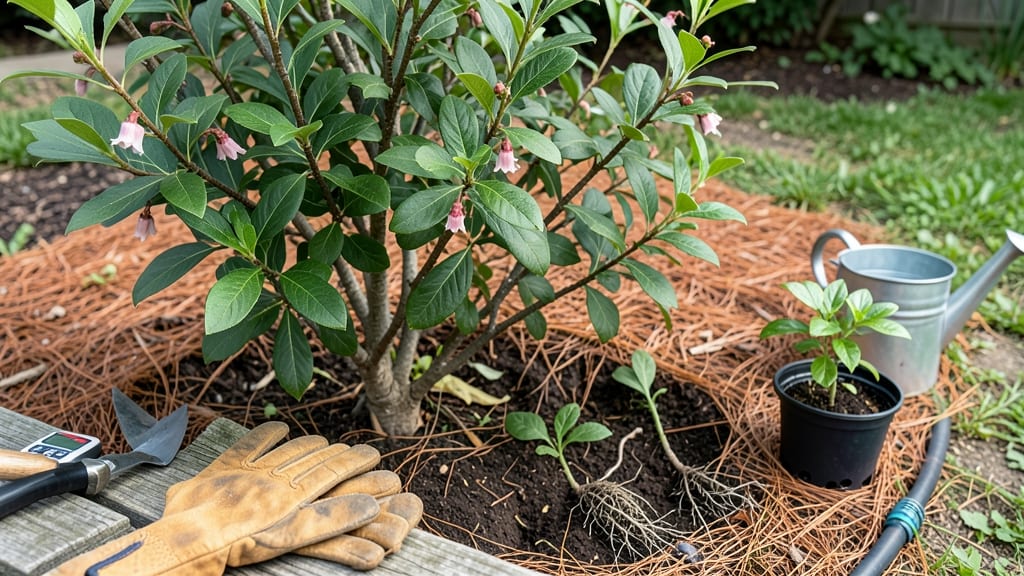
If you’ve ever dreamed of planting blueberries in Iowa and picking fresh, juicy 🫐 straight from your garden, timing is everything—and getting it wrong could mean wasted effort. Planting too early risks frost damage, while waiting too long cuts short the growing season in zones 5a-5b.
The secret to thriving bushes lies in a narrow window where soil warms, frost recedes, and roots can establish before summer heat sets in.
For Iowa gardeners, the ideal time to plant blueberries is between late April and early June, right after the last frost (typically around April 15). This window balances soil workability with the plant’s need for cooler temperatures to avoid transplant shock.
But here’s the catch: your exact timing depends on microclimates, soil prep, and whether you’re planting bare-root or potted bushes.
Why does this matter? Because blueberries are finicky—they demand acidic soil and consistent moisture, but they’ll bolt if stressed by heat or cold. I’ll walk you through how to read Iowa’s climate cues, adjust your soil, and choose the perfect spot to ensure your bushes take root and flourish.
Let’s get those blueberries growing the right way.
From selecting the right variety for your zone to avoiding common pitfalls, this guide covers everything you need to know. Whether you’re a first-time gardener or a seasoned pro, mastering the timing will set you up for a bountiful harvest by July or August. Ready to dig in?
Best planting months for blueberries in Iowa’s hardiness zones 3-4
Iowa’s USDA hardiness zones 3-4 create unique challenges for blueberry growers, where late frosts and short growing seasons demand precise timing.
Unlike warmer climates, blueberries here must be planted when soil temperatures reach 40°F (4°C)—typically late April to early June—to avoid winter kill while ensuring roots establish before cold snaps.
Fall planting is risky unless you’re in southern Iowa, where milder microclimates allow for September planting with winter protection.
For most of Iowa, spring planting (May) is ideal because it gives young bushes time to establish roots before winter. However, northern Iowa gardeners should wait until after May 15 to avoid late spring frosts that can damage tender new growth.
The Iowa State University Extension recommends checking last frost dates (typically April 15 in central Iowa) and planting 2-3 weeks after to ensure safety.
Blueberries thrive in acidic soil (pH 4.5-5.5), but Iowa’s native soil is often alkaline (pH 7.0+). This means soil prep must start 6-8 weeks before planting to amend the soil properly.
Without this step, even the best planting window won’t guarantee success. Southern Iowa’s warmer microclimates (like near the Missouri border) may allow for early April planting, but northern areas should delay until mid-May.
| Planting Window | Soil Temp Threshold | Iowa Region | Key Consideration |
|---|---|---|---|
| Late April - Early May | 40°F (4°C) | Southern Iowa | Warmer microclimates; lower frost risk |
| Mid-May | 45°F (7°C) | Central Iowa | Average last frost date (April 15) |
| Late May - Early June | 50°F (10°C) | Northern Iowa | Higher frost risk; delay planting |
| September (limited) | 55°F (13°C) | Southern Iowa only | Requires winter mulch protection |
One common mistake Iowa gardeners make is planting bare-root blueberries in spring without accounting for soil thawing. Compacted or frozen soil can stunt root growth, so loosen the soil 2-3 weeks before planting to improve drainage.
If you’re planting container-grown blueberries, the window extends slightly later—up to early June—since their roots are less sensitive to cold.
For northern Iowa (zones 3-4), prioritize early-maturing varieties like ‘Bluecrop’ or ‘Patriot’, which tolerate shorter growing seasons. These varieties can produce fruit in 60-90 days after planting, giving them time to ripen before Iowa’s first frost (mid-October).
Avoid late-season varieties like ‘Duke’ unless you’re in southern Iowa, where the growing season is 10-14 days longer.
When selecting a planting date, also consider pollination needs. Blueberries require cross-pollination between different varieties (e.g., ‘Bluecrop’ + ‘Jersey’). Plant both varieties in the same window to ensure they bloom simultaneously.
If you’re planting self-pollinating varieties like ‘Top Hat,’ timing becomes less critical, but you’ll still need to align with Iowa’s frost-free period.
After choosing your planting window, water deeply for the first 2-3 weeks to encourage root establishment. Mulch with pine needles or wood chips to retain moisture and mimic the acidic conditions blueberries prefer. This step is non-negotiable in Iowa’s alkaline soil, where pH balance is critical for nutrient uptake.
If you miss the ideal window, don’t panic—fall planting in September is possible in southern Iowa (zones 4b-5a). However, you’ll need to mulch heavily (6-8 inches) with straw or leaves to insulate roots during winter.
For northern Iowa, fall planting is not recommended due to the higher risk of winter desiccation.
To track Iowa’s last frost dates and adjust your planting timeline, check resources like the Iowa State University Extension’s frost map or local Cooperative Extension offices. These tools provide hyperlocal data that can shift your planting window by 1-2 weeks depending on your exact location.
For example, Dubuque’s frost date may be 2 weeks later than Sioux City’s, even though both are in zone 4.
Best planting months for blueberries in Iowa’s hardiness zones 3-4
Iowa’s USDA hardiness zones 3-4 create a tight window for planting blueberries, where timing directly impacts survival rates. The ideal planting window spans from late April to early June, right after the last frost date (typically around April 15 in most regions).
This aligns with soil temperatures warming to 45-55°F, perfect for root establishment before summer heat.
While spring planting is preferred, fall planting in September can work if you’re in southern Iowa (zones 4b-5a). However, northern Iowa gardeners should avoid fall planting, as frost risks are higher. The key is ensuring roots have 4-6 weeks to establish before winter dormancy begins.
📅 Blueberry Planting Timeline for Iowa
| Stage | Action | Notes |
|---|---|---|
| Soil Prep | Test pH (4.5-5.5) | Use peat moss/sulfur if needed |
| Planting Window | Late April-Early June | After last frost, soil 45-55°F |
| Watering | Deep soak weekly | Keep soil moist but not soggy |
| First Frost | October 15 | Mulch heavily before frost |
For northern Iowa (zones 3a-3b), prioritize early May planting to avoid late frosts that can damage tender new growth. In southern Iowa (zones 4b-5a), you have flexibility until early June, but avoid planting after June 15—the heat stress will stunt root growth.
Microclimates matter in Iowa! Urban areas (like Des Moines) often experience 2-3°F warmer soil temps than rural zones, extending your planting window by 1-2 weeks. Check local Iowa State Extension frost maps for precise guidance—every day counts in Iowa’s climate.
Pro tip: Bare-root plants (sold dormant) can handle Iowa’s early spring better than container-grown bushes. Plant them as soon as soil is workable—don’t wait for "perfect" conditions. The sooner you plant after frost, the more time roots have to establish before summer’s peak.
Remember: Blueberries hate wet feet. If your Iowa soil stays soggy after spring rains, amend with compost or sand to improve drainage. This is non-negotiable for survival in Iowa’s clay-heavy soils.