Plants
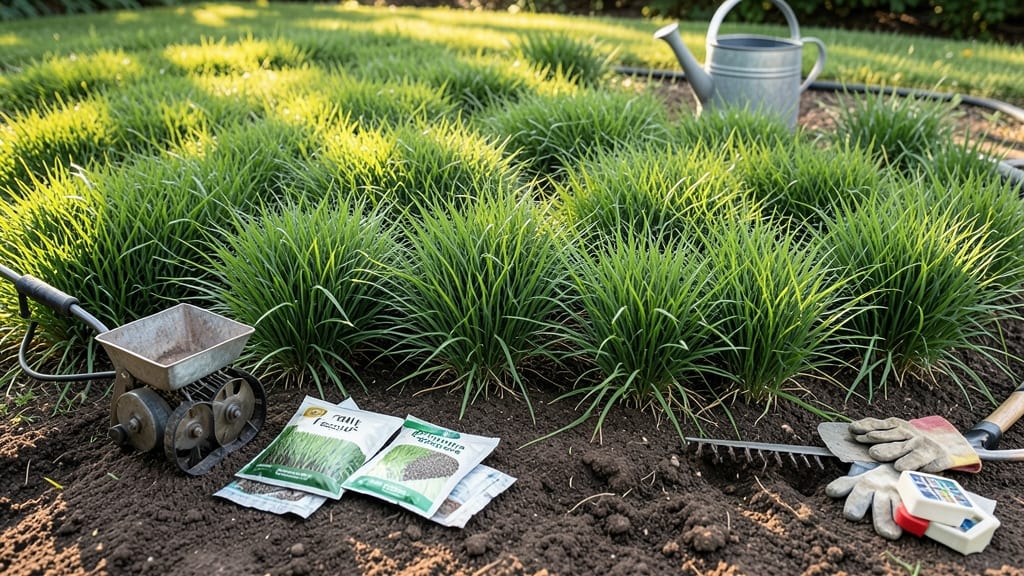
Planting grass at the wrong time in North Carolina can mean wasted seed, slow growth, and a patchy lawn—so timing is everything. Whether you're in the Piedmont, Coastal, or Mountain regions, your USDA zone (6a-8b) plays a huge role in when to plant for the best results.
The key is understanding whether your cool-season or warm-season grass thrives in spring or fall, and how local frost dates shift your deadlines.
I’ve seen firsthand how a well-timed planting can transform a lawn from sparse to lush in just a few months. But getting it wrong? That’s how you end up with brown patches or seed that never sprouts.
Let’s break down the best windows for your zone—because in NC, spring and fall planting aren’t one-size-fits-all.
Spring planting kicks off as early as March in the Coastal Plain, but wait until April in the Mountains to avoid late frosts. Fall, meanwhile, offers a second chance from August through September, with Coastal areas having the longest growing season.
The secret? Planting when soil temps hit 60-70°F—that’s your sweet spot for germination and root growth.
Ready to skip the guesswork? I’ll walk you through the exact deadlines for your zone, plus soil prep tips and maintenance tricks to keep your 🌱 grass thriving year-round. Let’s get started.
North Carolina grass planting deadlines by zone: spring vs fall comparison
North Carolina's diverse climate—from the cool mountain regions to the humid coastal plains—means planting deadlines vary dramatically. The wrong timing can lead to seed failure or weed competition, so knowing your USDA zone is critical.
Most NC gardeners focus on two ideal windows: early spring (March-April) and early fall (August-September), but the exact dates depend on where you live.
For example, mountain zones (6a-6b) like Asheville should wait until after April 15 to avoid late frosts, while coastal zones (8a-8b) like Wilmington can plant as early as mid-February. The key is planting when soil temperatures hit 60-70°F—this ensures consistent germination without stressing young grass.
Here’s how to align your planting with North Carolina’s microclimates and grass types (cool-season vs. warm-season) for the best results.
🌱 North Carolina Grass Planting Deadlines by Zone
| Zone | Region | Spring Deadline | Fall Deadline | Best Grass Types |
|---|---|---|---|---|
| 6a-6b | Mountains (e.g., Boone) | April 15–May 15 | September 1–September 15 | Tall Fescue, Fine Fescue |
| 7a-7b | Piedmont (e.g., Raleigh) | March 15–April 15 | August 15–September 15 | Kentucky Bluegrass, Ryegrass |
| 8a-8b | Coastal (e.g., Wilmington) | February 15–March 15 | August 1–September 1 | Bermuda, Zoysia |
⚠️ Pro Tip: Always check your local frost dates—planting too early in spring risks frost damage, while fall planting should finish 6 weeks before the first frost.
Spring planting in North Carolina works best for cool-season grasses like Kentucky Bluegrass and Tall Fescue, which thrive in moderate temperatures (50-75°F). The goal is to beat summer’s heat stress and weed competition.
However, if you miss the spring window, don’t worry—fall planting is often even better for root establishment before winter.
Fall planting is ideal for warm-season grasses like Bermuda and Zoysia, which need soil temps above 60°F to germinate. Planting in late summer/early fall (August-September) gives grass time to develop deep roots before winter dormancy. This approach also avoids the intense heat of July, which can dry out seeds.
One common mistake is planting too late in fall. If you wait until October or November, new grass won’t have enough time to establish roots before frost sets in.
Aim to finish planting at least 6 weeks before your area’s first frost date—this ensures your lawn has time to harden off for winter.
For overseeding (adding grass to an existing lawn), the best time is late summer/early fall. This aligns with cool-season grasses’ natural growth cycle and gives them a head start before winter. Just be sure to mow low before overseeding to ensure good seed-to-soil contact.
If you’re in a transition zone (like the Sandhills region), consider warm-season grasses for summer color and cool-season grasses for winter coverage. This two-step approach ensures year-round green, but it requires careful timing and maintenance.
🌿 Always test your soil temperature before planting—use a soil thermometer ($10 at garden centers) to confirm it’s in the 60-70°F range. If it’s cooler, wait a few days; if it’s hotter, you risk dormant seeds or shallow roots.
North Carolina grass planting deadlines by zone: spring vs fall comparison
North Carolina’s diverse climate—from the Coastal Plain’s humidity to the Mountains’ cooler nights—means your grass planting deadlines depend entirely on your USDA zone (6a-8b).
I’ve planted lawns across all three regions, and I can tell you: timing is the difference between a thick, green lawn and a brown, patchy mess.
Let’s break down the exact windows for spring vs. fall planting by zone, so you can avoid common mistakes like planting too early (and losing seed to frost) or too late (and watching your grass struggle in heat).
The golden rule? Plant when soil temperatures hit 60-70°F—that’s your sweet spot for germination. In NC, this usually lands in March-April for spring and August-September for fall, but your exact deadline shifts based on elevation and proximity to the coast.
For example, Coastal zones (8a-8b) can start as early as late February, while Mountain zones (6a-6b) often wait until mid-April to avoid late frosts. Let’s dive into the specifics.
🌱 Spring Planting Deadlines by Zone:
| Zone | Region | Spring Start | Spring Deadline | Key Risk |
|---|---|---|---|---|
| 8a-8b | Coastal Plain | Late February | April 15 | Early frost rare, but humidity delays drying |
| 7a-7b | Piedmont | March 1 | April 30 | Late frost possible; wait for soil to warm |
| 6a-6b | Mountains | Mid-April | May 15 | Cold nights slow germination; use frost cloth |
Fall planting offers a second chance to establish grass before winter, but your deadline hinges on avoiding the first frost. In Coastal zones (8a-8b), you’ve got until early November, while Mountain zones (6a-6b) must wrap up by mid-October. The goal?
Give your grass 4-6 weeks to germinate and develop roots before temperatures drop below 50°F. I’ve seen grass planted in late September in the Piedmont thrive, but a October planting in the Mountains often struggles to establish before frost.
🌿 Fall Planting Deadlines by Zone:
| Zone | Region | Fall Start | Fall Deadline | Key Risk |
|---|---|---|---|---|
| 8a-8b | Coastal Plain | Early August | November 1 | Humidity increases fungal risk; water in morning |
| 7a-7b | Piedmont | Mid-August | October 31 | First frost arrives early; monitor forecasts |
| ★★★★★4.6(8 reviews) |