
Plants
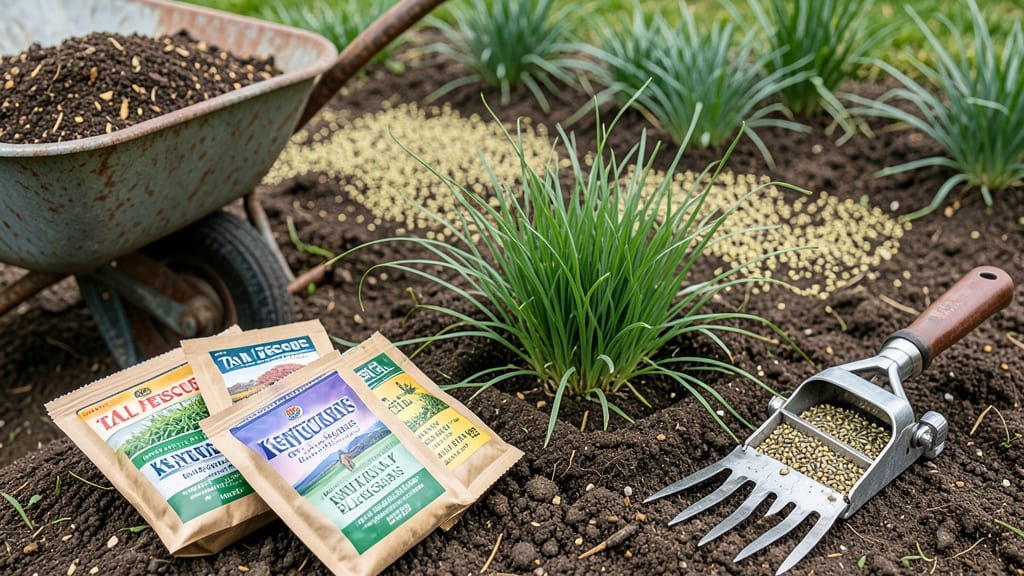
Timing your fall grass planting just right could mean the difference between a lush lawn next spring and a patchy, struggling yard. The key isn't just picking a month—it's reading your soil's temperature cues and local frost dates like a pro.
In USDA Zone 6a, where I garden, the window opens around September and closes before the first frost hits in mid-October.
Most gardeners assume "early fall" means August, but that's where they go wrong. Planting too soon can lead to seed rot in warm, damp soil, while waiting too long risks weak roots before winter dormancy.
The sweet spot? When soil temps drop to between 60-75°F—cool enough for seeds to germinate but warm enough for strong root growth.
I've learned the hard way that rushing the process can backfire, especially with cool-season grasses like fescue or ryegrass. The 4-6 weeks before frost rule isn't just a suggestion—it's your grass's chance to establish deep roots before the ground freezes.
Let me show you exactly how to check your soil's readiness and avoid common pitfalls that derail even the most eager gardeners.
Whether you're seeding a new lawn or overseeding an existing one, mastering this timing will save you time, money, and frustration. By the end of this guide, you'll know exactly when to grab that seed spreader and how to give your grass the best possible start—no guesswork required.
Fall grass planting timeline: ideal soil temperatures by region
Timing your fall grass planting isn’t just about the calendar—it’s about soil temperatures. Cool-season grasses like tall fescue and Kentucky bluegrass thrive when soil temps hover between 60°F and 75°F. This window ensures seeds germinate quickly but avoids the heat stress of summer or the dormancy of winter.
In most of the U.S., this translates to planting 4-6 weeks before your first frost date, typically between late August and mid-October.
Warm-season grasses like Bermuda or Zoysia are a different story—they prefer warm soil (70°F+) and should be planted in early spring. But for cool-season varieties, fall’s mild temps and increased rainfall create the perfect conditions for strong root establishment before winter dormancy.
The key? Know your USDA zone—it’s your roadmap to success.
Here’s how to translate soil temps into actionable planting dates for your region:
| USDA Zone | Ideal Planting Window | Soil Temp Range (°F) | Notes |
|---|---|---|---|
| Zones 3-5 (Cold Climates) | Late August – Early September | 60°F – 70°F | Plant 6 weeks before frost to allow root growth. |
| Zones 6-7 (Temperate) | Mid-September – Mid-October | 65°F – 75°F | Avoid planting after October 15—roots need time to harden. |
| Zones 8-10 (Warm Climates) | Early September – Early November | 70°F – 80°F | Cooler nights trigger germination; stop by November 1. |
| Southern California (Zone 10+) | October – November | 65°F – 75°F | Aim for cool evenings (<60°F) to prevent heat stress. |
Pro tip: Use a soil thermometer to confirm temps—dig 4 inches deep where you’ll plant. If your soil is above 80°F, wait 2-3 weeks for cooler conditions. Daylight hours also matter: aim for 10-12 hours of daylight to support photosynthesis during germination.
Regional exceptions exist! For example, Pacific Northwest zones (6-7) can plant as late as mid-October thanks to milder winters, while Midwest zones (5) should finish by September 15 to avoid early frosts. Check your local cooperative extension service for hyper-local advice—they track frost dates and soil conditions year-round.
Don’t overlook microclimates in your yard. South-facing slopes warm up faster and may be ready 2 weeks earlier than north-facing areas.
Test soil temps in multiple spots to avoid planting too early in cooler pockets. Prep your soil first: Loosen compacted areas, remove weeds, and add compost to improve drainage—this ensures seeds make contact with moist, fertile soil.
If you’re unsure about your frost date, use the National Oceanic and Atmospheric Administration (NOAA) frost calculator or ask your local nursery. Planting too late (within 2 weeks of frost) means seeds won’t establish roots before winter, leaving your lawn vulnerable to snow mold or thatch buildup.
The goal? 4-6 weeks of growth before dormancy.
For cool-season grasses, the ideal window is when nighttime temps drop below 70°F but stay above 40°F.
This balance prevents seed dormancy while keeping weeds at bay. Warm-season grasses, if planted in fall, should go in very late fall (November) only in Zone 8+, where winters are mild.
Remember: Soil temp > air temp for germination. A crisp 60°F morning might feel perfect, but if your soil is still 75°F, seeds will struggle. Use a moisture meter too—soil should feel like a wrung-out sponge (not soggy or dry) when you plant.
3 Critical signs your fall soil is ready for grass seeds
Fall planting gives grass seeds the perfect head start, but your soil must be ready. Cool temperatures and moisture levels are key—plant too early, and seeds rot; too late, and roots won’t establish before winter. Here’s how to check if your soil is primed for success.
First, dig a small hole and check the soil temperature. Ideal conditions are between 60°F and 75°F—any warmer, and seeds may dry out; cooler, and germination slows. Use a soil thermometer for accuracy, especially in USDA Zones 5-8 where fall temps vary widely.
🌱 3 Signs Your Soil Is Ready
- Soil moisture: Press a handful—it should hold shape but not be soggy. Clay soils need extra aeration; sandy soils may require pre-watering.
- Weed activity: Dormant weeds signal cooling temps. Annual weeds dying off means your grass seeds won’t compete for nutrients.
- Daylight hours: Aim for 10-12 hours of daylight. Shorter days (late October) reduce seedling stress.
Adjust for your soil type: Heavy clay benefits from gypsum or compost to improve drainage, while sandy soils need organic matter to retain moisture. A quick percolation test (pouring water into a hole) reveals drainage issues before planting.
Timing isn’t just about the calendar—it’s about soil readiness. If your lawn has bare patches, test pH first (ideal: 6.0-7.0). Lime raises pH; sulfur lowers it. Fall’s cooler temps help neutralize pH faster than summer heat.
Watch for dew formation in mornings—a natural sign of high humidity, perfect for seed germination. If your area gets frequent rain, plant 2-3 weeks earlier to avoid waterlogging. Drought-prone zones should wait until stable moisture is confirmed.
Don’t rush! Even if your local nursery sells grass seed, wait until 4-6 weeks before frost. Seedlings need 6-8 weeks to establish roots. Use a frost date calculator (like the Old Farmer’s Almanac) for your ZIP code.
Pro tip: Rake lightly after checking soil—this aerates without disturbing deeper layers. Smooth the surface to create a firm seedbed, then water lightly to settle seeds. Consistency is key: keep soil evenly moist (not soggy) for 2-3 weeks post-planting. 🌱