
Plants
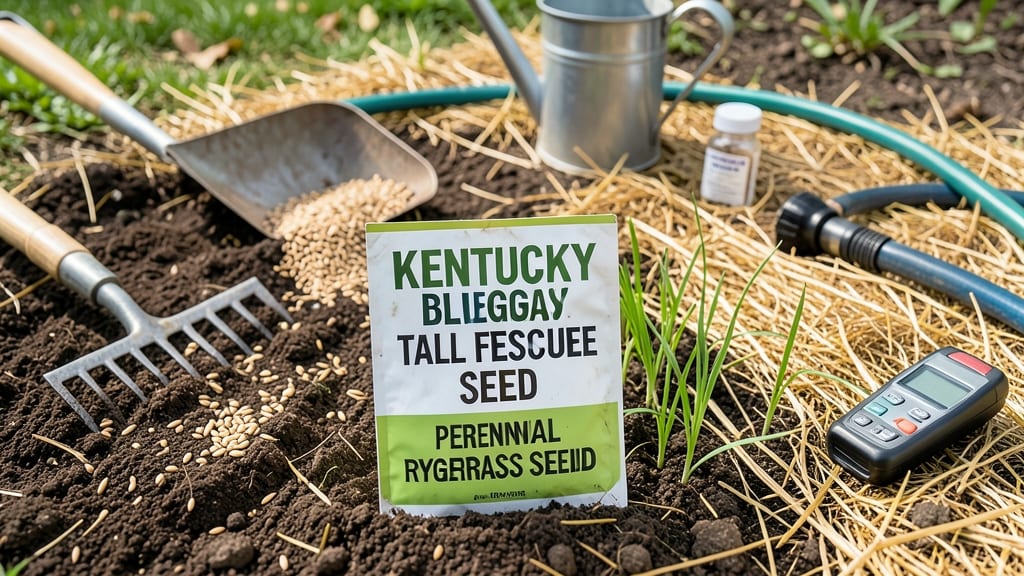
Planting grass seed in the fall is your best shot at a thick, vibrant lawn—but get the timing wrong, and you’ll end up with patchy growth or wasted effort.
The 4-6 weeks before first frost window isn’t just a suggestion; it’s the sweet spot for deep root development before winter dormancy kicks in.
Why does this matter so much? Grass planted too early struggles with weeds, while late planting leaves seedlings vulnerable to frost. In USDA Zone 6a, that means aiming for mid-September to early October, when soil temperatures hover around 60-70°F—perfect for germination without overheating.
I’ll walk you through how to read your local climate cues, adjust for regional differences, and prep your soil for maximum success. No more guessing games—just a foolproof plan to ensure your lawn wakes up lush in spring.
Let’s break down the science behind the perfect planting window and how to avoid common pitfalls that derail even the best-laid plans. Your future lawn will thank you.
The perfect fall grass seed planting window by climate zone
Fall is the ideal time to plant grass seed because cooler temperatures and increased rainfall create perfect conditions for deep root growth before winter dormancy. But timing is everything—plant too early, and weeds take over; too late, and frost kills tender seedlings.
The golden rule? Aim for 4-6 weeks before your first frost date, when soil temps hover between 60-75°F.
Your exact planting window depends on your USDA hardiness zone. Northern climates (zones 3-5) should plant in late August to early September, while southern zones (7-10) can wait until mid-October. Use a soil thermometer to confirm—roots need time to establish before temps drop below 10°F.
Here’s how to pinpoint your perfect window using local frost dates and soil conditions:
| Zone | Ideal Planting Window | Soil Temp Range (°F) | Weeks Before Frost |
|---|---|---|---|
| 3-5 (Cold Climates) | Late August–Early September | 60–70°F | 5–6 weeks |
| 6-7 (Temperate) | Mid-September–Early October | 65–75°F | 4–5 weeks |
| 8-10 (Warm Climates) | Late September–Mid-October | 70–80°F | 3–4 weeks |
*Adjust for early/late frosts—check your local almanac!
For example, if your first frost is November 15th, plant by October 1st in zone 6. In zone 9, where frosts are rare, you can stretch until mid-November.
Pro tip: Cool-season grasses like Kentucky bluegrass and tall fescue thrive in fall, while warm-season types (like Bermuda) should wait for spring.
Watch for soil temperature shifts—if nights dip below 50°F, germination slows. Use a black plastic mulch to warm cold soils or shade cloth to cool hot ones. In drought-prone areas, plant when rainfall increases (typically September in many regions).
Don’t rely on calendar months alone—your lawn’s success hinges on soil conditions, not just dates. Test your soil’s moisture by squeezing a handful; it should hold together but not be soggy.
If your area gets consistent rain, you can plant slightly later. For dry climates, prioritize early fall planting to avoid winter dry spells.
Regional adjustments matter too. In the Pacific Northwest, plant by mid-September to avoid wet, cold soils. In the Southeast, stretch to October 31st—just avoid hurricane season’s heavy rains. Always check your local cooperative extension service for hyper-local advice.
Remember: The goal is root establishment, not top growth. Grass needs 3–4 weeks of warm soil to develop a strong root system before winter. If you plant too late, those roots won’t harden in time, leaving your lawn vulnerable to winter kill or spring patchiness.
For a foolproof approach, mark your calendar 6 weeks before frost and test soil temps daily. If temps drop below 55°F, delay planting until conditions improve. Patience now means a thicker, greener lawn next spring—no shortcuts!
The perfect fall grass seed planting window by climate zone
Fall planting gives grass seed 4-6 weeks to establish deep roots before winter dormancy. The key is timing it 4-8 weeks before your first frost date, but this varies dramatically by USDA climate zone.
In colder northern zones (3-5), aim for late August to mid-September—earlier than southern regions where mid-October works until early November.
Your soil temperature is the real indicator: seeds need 50-65°F (10-18°C) for germination, but roots must harden before hitting 10°F (-12°C). Use a soil thermometer to check—this is more reliable than guessing by calendar dates.
Northern climates (Zones 3-6) should plant in late August to early October, while southern zones (7-10) can extend until mid-November. The rule of thumb: plant when daytime highs average 70°F (21°C) and nights dip to 50°F (10°C), giving roots time to grow before frost.
| Climate Zone | Ideal Planting Window | Soil Temp Goal | Weeks Before Frost |
|---|---|---|---|
| Zones 3-5 (Cold) | Late August - Mid-September | 50-60°F (10-15°C) | 6-8 weeks |
| Zones 6-7 (Temperate) | Mid-September - Early October | 55-65°F (13-18°C) | 5-6 weeks |
| Zones 8-10 (Warm) | Mid-October - Mid-November | 60-70°F (15-21°C) | 4-5 weeks |
For cooler microclimates (like mountain regions), plant 2 weeks earlier than your zone's average. Conversely, urban heat islands may delay frost—check local records or use a frost calendar app for precise dates. If you're unsure, late September is the safest bet for most of the U.S.
Pro tip: Cool-season grasses (like Kentucky bluegrass and fescue) thrive with fall planting, while warm-season grasses (like Bermuda) should wait for spring. Always match your grass type to your climate—this makes all the difference in winter survival.
Don't wait until November unless you're in Zone 8+—by then, roots won't have enough time to establish before dormancy. The sweet spot is when daytime temps stay above 60°F (15°C) but nights are cooling down. This balance gives seeds time to germinate while preventing summer heat stress.