Plants
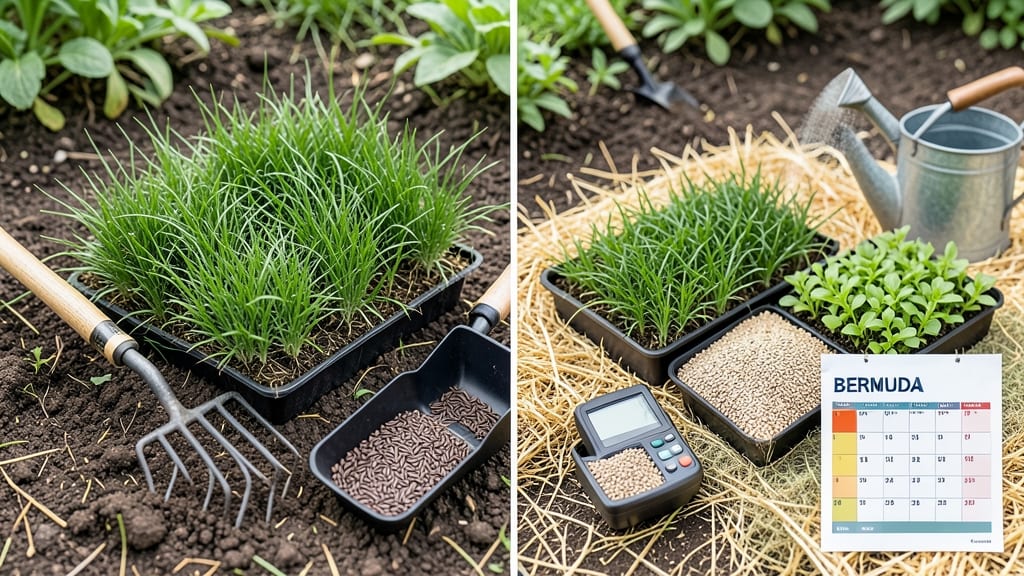
Planting grass seed in Florida at the wrong time can leave you staring at a patchy, struggling lawn instead of the lush green carpet you want.
The best time to plant isn’t just about the calendar—it’s about soil temperatures that give your grass the fighting chance it needs to thrive in Florida’s unique climate.
If you’ve ever wondered why your neighbors’ lawns look vibrant while yours struggles, the answer likely lies in timing. Florida’s 8a-11 zones mean the ideal window shifts between late winter and early fall, but getting it wrong can lead to heat stress or weak growth.
I’ll show you exactly when to plant for maximum success, whether you’re in North or South Florida.
Most gardeners focus on months like March or September, but the real secret is soil temperature—60-75°F is the sweet spot for germination. We’ll break down how to check your soil, pick the right grass type for your region, and avoid common mistakes that turn good intentions into wasted effort.
Ready to transform your lawn? Let’s dive into the science-backed strategies that’ll have your grass growing thick and green—without the guesswork. Your future self (and your neighbors) will thank you!
Florida grass seed planting timeline: ideal soil temperatures by season
Florida’s diverse climate means one planting window doesn’t fit all. Unlike cooler states, Florida’s soil temperature—not just air temperature—dictates the best time to plant grass seed. For warm-season grasses (like Bermuda and Zoysia), aim for 75-85°F soil temps, while cool-season grasses (like Ryegrass) thrive at 65-75°F.
These ranges align with Florida’s two prime planting seasons: late summer/fall and late winter/spring.
North Florida’s cooler winters (USDA Zones 8a-9a) allow earlier spring planting, often as early as February. Meanwhile, South Florida’s warmer microclimates (Zones 10a-11) can extend fall planting into November.
Always check your local frost dates—North Florida’s last frost averages January 15, while South Florida rarely sees frost.
Here’s the golden rule: Plant when soil temps are consistently 60-75°F for 5+ days. This ensures germination success and avoids stress from heat or cold. For example, August-September is ideal for warm-season grasses in Central Florida, while March-April works for cool-season varieties in North Florida.
🌡️ Pro Tip: Use a soil thermometer (not air temp!) to confirm readiness. Stick it 4-6 inches deep—this mimics where seeds will germinate. Morning readings (between 9-11 AM) are most accurate.
Florida’s microclimates can shift planting windows by weeks or even months. For example, coastal areas (like Miami) stay warm longer, while inland regions (like Orlando) cool down faster in fall. If you’re unsure, test your soil temp for 3 days before planting—consistency is key.
Another critical factor is humidity and rainfall. Florida’s summer monsoons (June-August) can drown seeds, while fall’s gentle rains provide perfect moisture. If planting in dry spells, supplement with drip irrigation to maintain 1-1.5 inches of water weekly. Overwatering is just as harmful as underwatering!
For overseeding (adding new grass to existing lawns), timing shifts slightly. Cool-season grasses like Ryegrass can be sown in late summer (July-August) to take advantage of cooler temps before winter. Meanwhile, warm-season grasses benefit from late spring (May-June) overseeding to establish before summer heat peaks.
🌱 Remember: Florida’s heat spikes can stress seedlings. If temps rise above 90°F after planting, provide light shade (like a 50% shade cloth) until roots establish. This is especially true for North Florida lawns, where summer heat arrives earlier than in South Florida.
Finally, avoid planting during hurricane season (June-November). High winds and flooding can bury seeds or erode soil, leading to poor germination. Plan your planting for early September or late April to miss the worst storms.
How to test soil temperature and prepare your Florida lawn for planting
Before you even think about planting grass seed in Florida, you must check your soil temperature. Most gardeners skip this step and end up with weak, patchy growth. The ideal range for grass seed germination is 60-75°F, but Florida’s heat can push temperatures well above this—especially in summer.
A simple soil thermometer (available for under $10) will save you from wasted effort and money.
To test, insert the thermometer 2-3 inches deep into moist soil and wait 30 seconds. Record the temperature at the same time each day (morning is best) for 3-5 days to account for daily fluctuations.
If your soil consistently reads below 60°F or above 85°F, hold off on planting—your seeds will struggle or fail to germinate.
🌡️
Common Mistake: Planting Too Early or Too Late
North Florida gardeners often rush to plant in February, only to face late frosts that damage tender seedlings. Meanwhile, South Florida lawns planted in June suffer from heat stress and drought. Always wait for consistent soil temps in your zone before planting.
Once your soil is in the ideal range, it’s time to prep your lawn. Start by mowing your existing grass short (about 1-2 inches) and removing debris. This creates space for new seeds to make contact with the soil.
Next, test your soil’s pH—most Florida grasses thrive in a range of 6.0-7.0. If your soil is too acidic or alkaline, amend it with lime (to raise pH) or sulfur (to lower pH) 2-3 weeks before planting.
Tilling is another critical step, but don’t overdo it. Loosen the top 2-3 inches of soil to create a seed-friendly bed. After tilling, rake the area to create a fine, level surface—this helps seeds settle evenly and ensures good soil contact.
If your lawn has weeds, apply a pre-emergent herbicide 4-6 weeks before planting to prevent weed competition.
Finally, consider adding a starter fertilizer with a high phosphorus content (look for a 10-20-10 or 5-10-5 ratio). This gives your new grass seedlings the nutrients they need to establish strong roots. Water the area lightly after fertilizing to help the granules settle into the soil.
With your soil temperature checked and your lawn prepped, you’re ready to plant. The key now is consistent moisture—keep the soil damp (not soggy) until germination, which typically takes 7-21 days depending on the grass type and weather conditions.
A light misting in the morning is ideal to reduce fungal risks.