
Plants
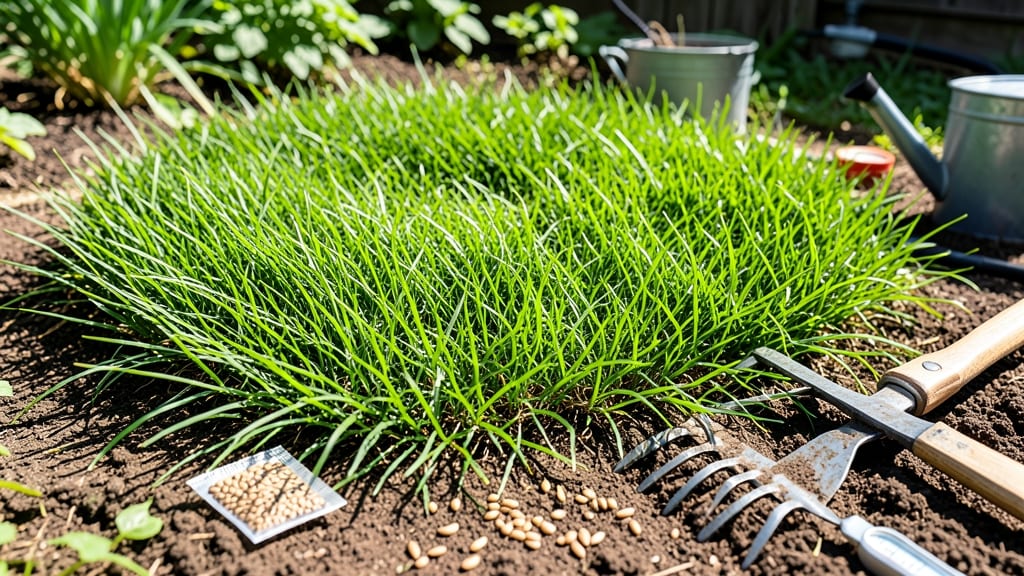
Planting Bermuda grass seed at the wrong time in South Carolina can leave your lawn struggling—too early means weak growth, too late risks winter kill. Timing is everything for thick, resilient turf that thrives in the state's humid subtropical climate.
If you're wondering "when to plant Bermuda grass seed in South Carolina", the answer isn't just about months—it's about soil temperatures, regional microclimates, and understanding how your lawn's 🌱 growth cycle aligns with SC's spring and summer patterns.
The late spring to early summer window (April-June) offers the perfect balance of warmth and moisture for strong root establishment.
Why does this matter? Because Bermuda grass needs soil temperatures above 65°F to germinate properly, and planting too soon—before the last frost (typically around March 15)—can leave your seed vulnerable to cold snaps. Meanwhile, waiting too long risks summer heat stress before roots take hold.
In this guide, I'll break down the science behind spring vs. fall planting, share SC-specific prep tips, and reveal common mistakes that even experienced gardeners make. Let's get your lawn off to the best possible start!
Best planting windows for Bermuda grass seed in South Carolina: spring vs fall science
South Carolina's humid subtropical climate creates unique challenges for Bermuda grass growers. Unlike cool-season grasses, Bermuda thrives in heat and full sun, but planting at the wrong time can lead to poor germination or winter damage.
The key is understanding your region's soil temperature thresholds and microclimates—whether you're in the Coastal Plain, Piedmont, or Upstate.
For most of South Carolina (USDA zones 7b-8a), the optimal planting window is late spring to early summer, when soil temperatures consistently stay above 65°F. This typically aligns with April through June, after the last frost date (around March 15).
Fall planting is possible but riskier due to early winter dormancy and potential cold snaps.
Here's why timing matters: Bermuda grass seeds need warm soil to activate germination enzymes. Planting too early (before 65°F soil temps) delays growth, while waiting too late risks summer heat stress before roots establish.
The Upstate region may need to wait until May or June, while Coastal areas can start as early as late April.
🌱
| Planting Window | Soil Temp Requirement | Best SC Regions | Germination Time | Key Considerations |
|---|---|---|---|---|
| Late Spring (April-June) | 65°F+ consistently | Coastal Plain, Piedmont, Upstate | 7-14 days | Ideal for strong root growth |
| Early Fall (August-September) | 70°F+ (declining) | Coastal Plain only | 10-21 days | Risk of winter kill in Upstate |
| Too Early (Before April) | Below 65°F | All regions | 30+ days (weak growth) | Frost damage risk |
| Too Late (After July) | Above 85°F | All regions | Slow or failed germination | Heat stress before establishment |
The Coastal Plain (including Charleston and Myrtle Beach) enjoys warmer soil earlier than inland areas. Here, you can start planting as early as late April, while the Upstate (Greenville, Spartanburg) should wait until mid-May to ensure soil warmth.
Always check 7-day soil temperature forecasts before planting—tools like the SC Climate Office provide real-time data.
Fall planting is only recommended in Coastal South Carolina (zones 8a and warmer), where winters are milder. Plant between August and early September to allow 4-6 weeks of growth before first frost (around November 15). Inland areas should avoid fall planting entirely due to winter dormancy risks.
Pro tip: Use a soil thermometer to verify temperatures before planting. Bury it 2 inches deep in full sun—this mimics seed depth and gives accurate readings. Aim for 65°F+ for 5+ consecutive days before sowing for best results.
🌡️
Remember that Bermuda grass enters dormancy in winter, so any fall planting must establish roots before October. If you're in doubt about timing, late spring planting (May-June) offers the safest window for strong, uniform germination across all South Carolina regions.
South Carolina-specific preparation steps for planting Bermuda grass seed
Before you even think about scattering Bermuda grass seed in South Carolina, proper preparation is your secret weapon. I’ve seen too many lawns fail because gardeners skipped this crucial step—don’t let that be you!
The key lies in soil temperature, pH balance, and regional microclimates that vary from the Coastal Plain to the Upstate. Let’s break it down so your lawn gets the best possible start.
First, test your soil pH—Bermuda grass thrives in slightly acidic soil with a pH between 6.0 and 6.5. If your soil is off, amend it with pelletized lime (for high pH) or sulfur (for low pH) at least 4-6 weeks before planting.
This isn’t optional; it’s the foundation for strong root development. My local nursery in Charleston even offers free soil tests if you ask!
Next, clear your lawn of weeds and debris—especially broadleaf weeds like clover or dandelions. Use a pre-emergent herbicide like pendimethalin 2-3 weeks before planting to prevent weed competition. Timing here is critical: apply too early, and you’ll smother your Bermuda seed; too late, and weeds will steal nutrients.
Aim for mid-April in most of SC for best results.
Now, let’s talk seed depth. Bermuda grass seeds are tiny—plant them no deeper than ¼ inch. Any deeper, and they’ll struggle to surface. Use a seed spreader for even coverage, and lightly rake the soil afterward to ensure good seed-to-soil contact.
Pro tip: mix your seed with a light layer of sand (about 10%) to help it spread more evenly, especially on slopes.
Here’s where SC’s regional differences come into play. If you’re in the Coastal Plain (like Charleston or Hilton Head), focus on morning watering to combat high humidity and fungal risks. Upstate (Greenville or Spartanburg), you’ll need to water deeply but less frequently to avoid runoff in the sandy soils.
Always water before 10 AM to let blades dry quickly and prevent disease.
Finally, don’t forget to mow your new Bermuda grass high—at least 3 inches tall—once it reaches 3-4 inches in height. This might seem counterintuitive, but taller grass shades out weeds and builds deeper roots.
I’ve seen lawns in Myrtle Beach go from patchy to lush in just 6 weeks by following this simple rule.
With these steps, your Bermuda grass will have the perfect foundation to thrive in South Carolina’s heat and humidity. The next section covers the critical mistakes that even experienced gardeners make—don’t miss it!