
Plants
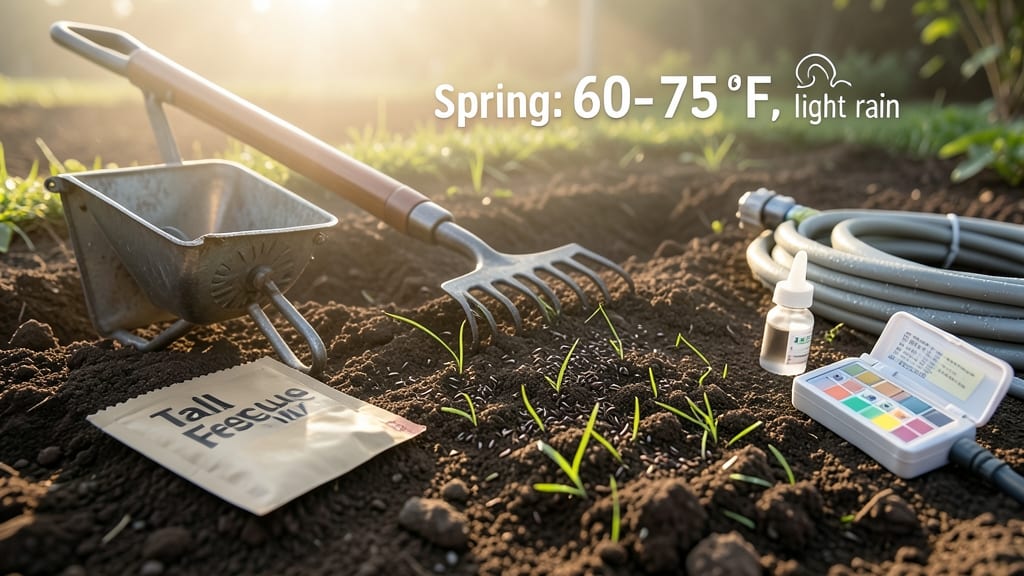
Virginia’s ideal grass seed planting window: cool-season months explained
Virginia’s climate creates two perfect windows for planting grass seed: late summer to early fall and early spring. Cool-season grasses like tall fescue and Kentucky bluegrass dominate local lawns because they thrive in Virginia’s USDA zones 6a-8a.
These grasses germinate best when soil temperatures stay between 60°F and 75°F, avoiding the stress of extreme heat or cold.
Fall planting is my top recommendation for Virginia homeowners. Aim for late August through early October—this gives grass seeds time to establish roots before winter dormancy. Spring planting works too, but you’ll need to plant by mid-April to avoid summer heat stress.
The key is beating the first frost while keeping soil warm enough for germination.
Virginia’s three distinct regions—Coastal Plain, Piedmont, and Mountains—each have slight variations in frost dates. Coastal areas like Norfolk may have 200 frost-free days, while higher elevations near Roanoke see only 165 days.
Adjust your planting timeline based on your local last frost date, which typically ranges from March 1 in Northern VA to April 1 in Southern VA.
Here’s why fall planting often outperforms spring: cooler air temperatures reduce water loss, and established roots handle winter better. Plus, weeds are less competitive in fall.
If you’re in Zone 7a or warmer, you might even squeeze in a late summer planting in July, but be prepared for extra watering to combat heat stress.
| Planting Window | Ideal Months | Soil Temp (°F) | Key Considerations |
|---|---|---|---|
| Early Fall | Late August - Early October | 60-75°F | Best germination, fewer weeds, roots establish before winter |
| Late Summer | July (Zone 7a+ only) | 70-80°F | High water needs, risk of heat stress, best for Southern VA |
| Early Spring | March - Mid-April | 50-65°F | Weed competition higher, must plant before summer heat |
| Avoid | May - September (Northern VA) | Above 85°F | Extreme heat causes seed dormancy, poor germination |
For accurate timing, check your local first frost date—typically November 1 in Northern VA and December 1 in Southern VA. Plant grass seed 4-6 weeks before this date to allow roots to establish.
In the Piedmont region, where temperatures drop faster, aim for early September planting to avoid early frosts.
If you’re in the Mountains, where cooler temperatures persist longer, you might extend your window into early October. Coastal areas can sometimes push planting into late October, but monitor weather forecasts—unexpected cold snaps can stall germination.
A soil thermometer (available at garden centers for $10-$15) is my secret weapon for perfect timing.
Pro tip: If you miss the fall window, don’t despair—early spring planting (March) still yields great results. Just be ready to water daily for the first 2 weeks as spring rains can be unpredictable. The goal is to give your grass seed consistent moisture without waterlogging the soil.
Remember, Virginia’s humidity levels play a role too. In high-humidity months (June-August), seeds can rot if not planted shallowly (¼ inch deep). That’s why fall planting—with its moderate humidity and cooler temps—often delivers the most reliable results.
For homeowners in shady lawns, consider fine fescue blends that tolerate lower light. These can be planted 1-2 weeks later than sun-loving grasses, as they germinate more slowly in cooler, shaded conditions. Always adjust your timing based on your lawn’s specific microclimate.
Virginia’s ideal grass seed planting window: cool-season months explained
Virginia’s cool-season climate creates two prime windows for planting grass seed: late summer to early fall and early spring. Most Virginia homeowners swear by fall planting (August–September) because cooler temperatures and increased rainfall give seeds the perfect start.
This aligns with Virginia’s USDA zones 6a–8a, where soil stays warm enough for germination but air temps stay mild.
For Northern Virginia (zones 6a–7a), aim for late August to early October—this gives seeds time to establish roots before the first frost (usually mid-November). In Southern Virginia (zones 7b–8a), you can extend planting until early November due to later frosts.
Spring planting (March–April) is your backup, but rush it, and you’ll compete with weeds for resources.
Soil temperature is your secret weapon. Grass seeds need soil between 60°F–75°F for optimal germination. In Virginia, this typically means late summer’s residual warmth or spring’s rising temps. Use a soil thermometer to confirm—if it’s below 55°F, wait.
Overheated soil (above 80°F) can also stress seeds, which is why midday planting in July is a no-go.
| Region | Best Planting Window | Soil Temp Threshold | Key Consideration |
|---|---|---|---|
| Northern VA (6a-7a) | Late Aug–Early Oct | 60°F–75°F | First frost by Nov 15 |
| Central VA (7a-7b) | Mid-Aug–Mid-Oct | 65°F–78°F | Humidity peaks in Sept |
| Southern VA (7b-8a) | Late Aug–Early Nov | 68°F–80°F | Later frost dates |
| Mountain VA (6a) | Early Sept–Early Oct | 55°F–70°F | Cooler microclimates |
Virginia’s cool-season grasses—like tall fescue and Kentucky bluegrass—thrive in these windows because they germinate quickly in cool, moist soil and establish deep roots before winter.
Warm-season grasses (like Bermuda) are a different story—they need soil temps above 70°F, making late spring to early summer their ideal time. But for most Virginia lawns, cool-season grasses win for their drought tolerance and shade adaptability.
Pro tip: Late August planting gives seeds a head start before summer’s end, while September’s cooler temps reduce weed competition. If you miss fall, early March is your next best shot—just be ready to water diligently as spring rains can be unpredictable.
Avoid planting in June or July; the heat will bake seeds before they sprout, and weeds will outcompete them.
Microclimates matter too. Shady spots (like under trees) stay cooler longer, so you might push planting into early October there. Sunny areas dry out faster, so morning watering becomes critical. Pay attention to your yard’s sun exposure patterns—they’ll dictate your exact planting timeline.