
Trees
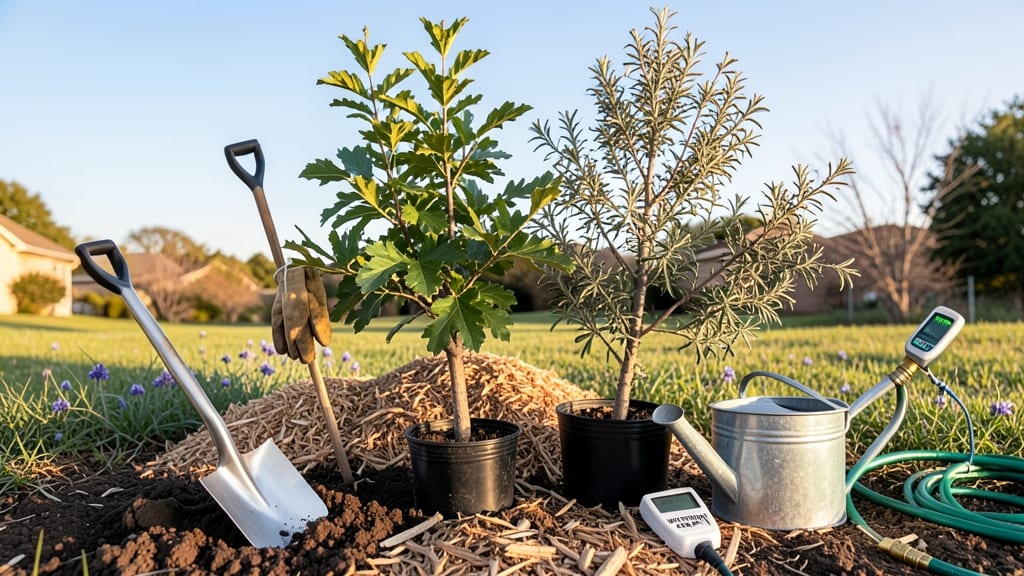
Planting a 🌳 tree in North Texas at the wrong time can mean the difference between a thriving shade provider and years of struggling growth.
The best time to plant trees in North Texas isn't just about avoiding extreme heat or frost—it's about matching your tree species to the perfect window when soil temperatures and moisture levels align for strong root establishment.
For most trees in zones 7b-8a, the ideal planting window is October through November or February through March. These months offer cooler temperatures, reduced competition from weeds, and ample rainfall to help young roots take hold.
But did you know some native Texas trees actually thrive when planted outside these peak seasons?
Whether you're planting an oak, pecan, or cedar, understanding these timing nuances is the key to maximizing survival rates. I'll break down exactly which months work best for each variety, plus critical prep steps to ensure your tree grows strong in North Texas' variable climate.
Let's dive into the exact months and species-specific strategies that will set your tree up for long-term success—so you can enjoy shade and beauty for decades to come.
North Texas tree planting calendar: best months by species for optimal survival
North Texas gardeners face a unique challenge: extreme heat, alkaline soil, and unpredictable rainfall. Planting at the wrong time can stress trees, leading to slow growth or even death.
The ideal window for most trees is fall (October-November) or early spring (February-March), when soil is moist but not frozen, and temperatures are mild. This timing gives roots time to establish before summer's brutal heat or winter's freeze.
Evergreens like Eastern Red Cedar and Live Oak tolerate wider planting windows, while deciduous trees (e.g., Pecan, Mesquite) need cooler months to avoid transplant shock. Native species often adapt better to North Texas' USDA Zones 7b-8a when planted in these optimal periods.
Let’s break down the best months for specific tree types to maximize your success rate.
🌱 Visual Tip: Use a soil thermometer to check if temperatures are 50-70°F before planting—this is the sweet spot for root growth.
For container-grown trees, you have more flexibility—plant anytime except during peak summer (June-August) or winter freezes (December-January). However, bare-root trees must be planted during their dormant season, which is typically fall or early spring.
If you miss these windows, opt for potted trees and plant them in September or April to avoid stress.
North Texas’ alkaline soil (pH 7.5–8.5) can stunt growth if not amended. Before planting, test your soil and add organic matter like compost or sulfur to lower pH if needed. Mesquite and Cedar tolerate alkaline soil better than Crape Myrtle or Japanese Maple, which prefer slightly acidic conditions.
Another critical factor is water availability. North Texas experiences variable rainfall, with summer droughts and flash floods in spring. Planting in fall ensures trees establish roots before summer dry spells.
If planting in spring, prioritize deep watering (10–15 gallons per tree) every 7–10 days until roots spread.
Microclimates in North Texas vary dramatically. DFW metro areas have hotter summers and milder winters than the Panhandle, where freezes are harsher. Adjust planting times accordingly: Panhandle gardeners should plant earlier in fall (September-October) to avoid early freezes, while DFW residents can extend planting into November.
Pro tip: Mulch heavily (3–4 inches) after planting to retain moisture and regulate soil temperature. Use wood chips or pine straw, but keep mulch 6 inches away from the trunk to prevent rot.
This is especially crucial in summer’s heat, where mulch can reduce soil temperature by 10–15°F.
If you’re planting large trees (e.g., Live Oak, Pecan), consider hiring a professional to dig the hole and handle the root ball.
These trees have extensive root systems that need proper spacing—3–5 times the root ball width—to avoid girdling. Call 811 before digging to check for underground utilities, which is a common (and costly) mistake.
🌳 Remember: The best time to plant a tree was 20 years ago. The second-best time is today. With North Texas’ climate, timing is everything—follow this calendar, and your trees will reward you with decades of shade, fruit, and beauty.
Critical preparation steps before planting trees in North Texas (avoid these mistakes)
North Texas' alkaline soil and extreme temperature swings demand careful prep work before planting. Skipping these steps can lead to poor root establishment and long-term stress for your trees. I’ve planted dozens of trees here, and I can’t stress enough how critical proper preparation is for survival rates.
First, test your soil pH—most native Texas trees prefer slightly acidic to neutral soil (6.0–7.5). If your soil tests higher, amend it with sulfur or peat moss before planting. The Texas A&M AgriLife Extension offers free soil testing kits, making this an easy first step.
Next, choose the right location—most trees need 6+ hours of sunlight daily. Avoid low spots where water pools, as root rot is a common killer in North Texas. If your yard has heavy clay soil, consider raised beds or mounding soil to improve drainage.
Before digging, call 811 to check for underground utilities—North Texas has dense infrastructure, and striking a line can be fatal to your tree. I’ve seen too many gardeners skip this step and end up with damaged roots or power outages.
Once you’ve prepped the site, water deeply the day before planting to reduce shock. After planting, mulch around the base (but not touching the trunk) with 2–4 inches of organic mulch like pine straw or wood chips. This retains moisture and regulates soil temperature—critical in North Texas’ variable climate.
Finally, stake only if necessary. Most trees in North Texas don’t need staking unless they’re top-heavy or in windy areas. If you do stake, use soft ties and remove them after 12–18 months to avoid girdling the trunk.